Feb 6, 2013
1
comment
Leave a Comment

Menu: A Feast for Chinese New Year

Chinese New Year is a festive occasion to gather around the table with loved ones. The diverse flavors of the holiday's traditional dishes—from sweet rice dumplings to spicy, garlicky daikon cakes—form a perfect centerpiece to a memorable meal shared with family and friends.
Print Save Article

The Menu


More About This Menu

  1. A Chinese New Year feast is first and foremost about family. Sharing the meal family-style is part of the fun—if you have a lazy susan for the middle of the table, even better.

  2. It's best to prepare the daikon cakes and dumplings the day before; they refrigerate well, and the extra time will ensure that the mixtures hold together.

  3. Long noodles symbolize longevity, so the longer the better to start out the new year. For more noodle recipes, try Everyday Fried Noodles and Stir-Fried Rice Vermicelli.

  4. Stir-fries are ready to eat in a matter of minutes: Prep the ingredients ahead of time and cook just before serving.

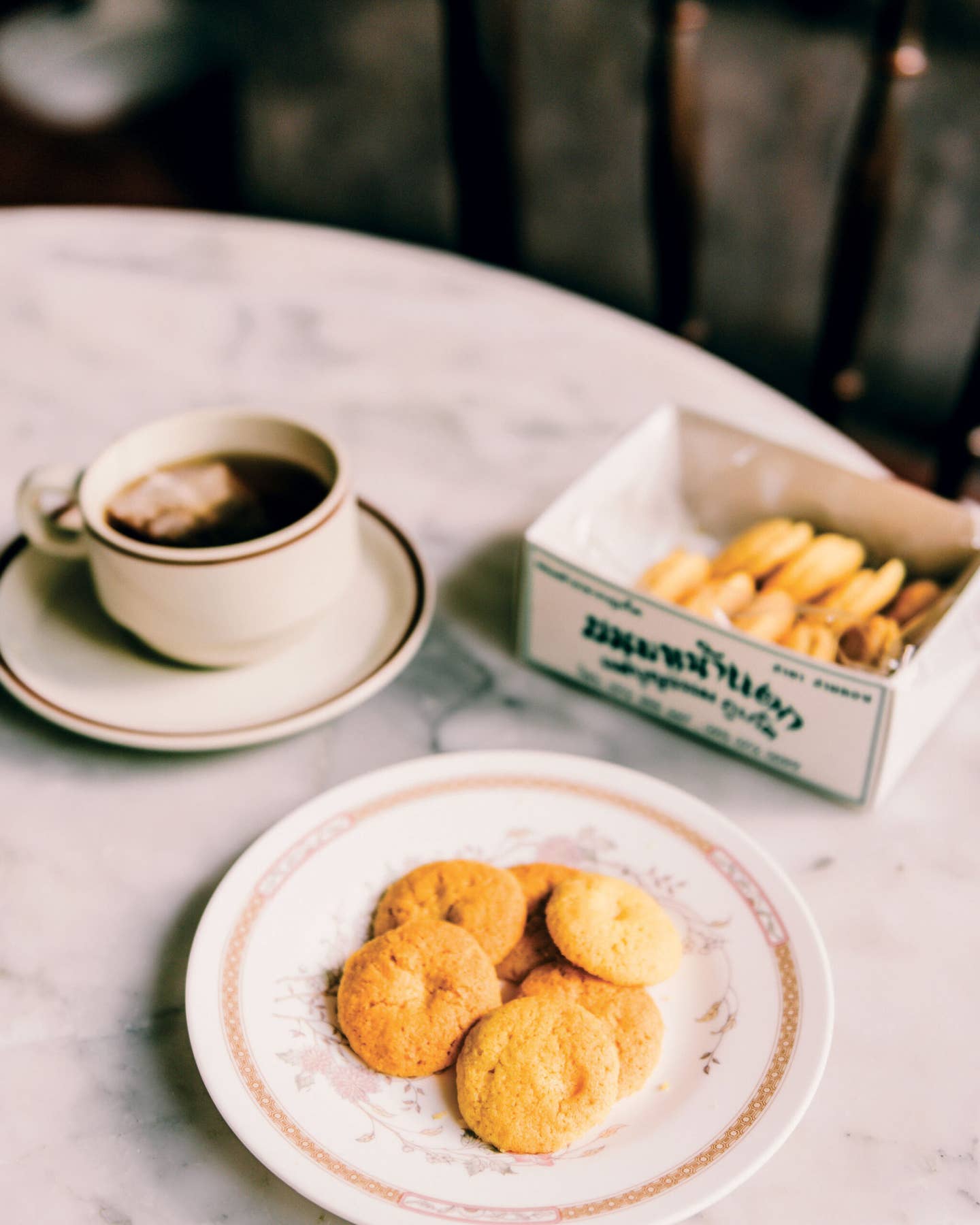
  5. For a simple dessert, try platters of fresh fruit such as tangerines and melons, or savor a cup of Yuanyang, the sweet milk coffee-tea drink from Hong Kong.

Comments (1)

This is far from a traditional Hong Kong Chinese New Year menu. First of all, coffee and milk tea is rarely, if ever, consumed at home. Most people get that at street vendors or a "tea house restaurant". It is never served as a dessert. Daikon cake is usually served at breakfast or when someone is having dim sum for lunch. Stir fried pork and leeks is too casual for a traditional celebratory dinner.

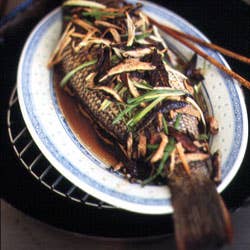
The only appropriate dish listed here is the steamed fish. Fish is a must as its Cantonese pronunciation is the same as "surplus", or "excess". Most people usually have a shrimp dish as well because it is pronounced as "ha", and implies happiness and laughter. The most preferred vegetable is lettuce (supposed to green beans) because the word lettuce sounds very similar to accumulating wealth. Tangerines are appropriate for desserts, but never melons because the pronunciation of melon is the same as the Cantonese slang word for death.

The thing is, people in Hong Kong can be extremely superstitious when is comes to the meals served (or things being done) during New Year. There are a lot of traditions and the ingredients used for meals must have auspicious implications.

Your Comment

Please log in to leave a comment. Not a member yet? Sign up here.