Recipes
The Cassava Variations
by B.K.
Research and recipe testing for this issue’s story about cassava (“Taking Root”) left us very much in awe of the tropical tuberous root. After all, it contains twice the starch of your average potato—and starch not only accounts for about 75 percent of people’s caloric intake worldwide, it’s also a fundamental element of cooking, one that can mean the difference between watery and thick, mushy and crunchy, mere subsistence and food that’s truly satisfying. Cassava starch contains less fat and protein than, say, wheat flour or cornstarch, which means its flavor is more neutral; it also thickens more quickly, which makes it a handy ingredient for adding to a preparation at the last minute.
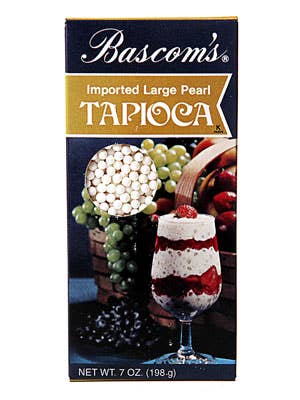
Tapioca Pudding
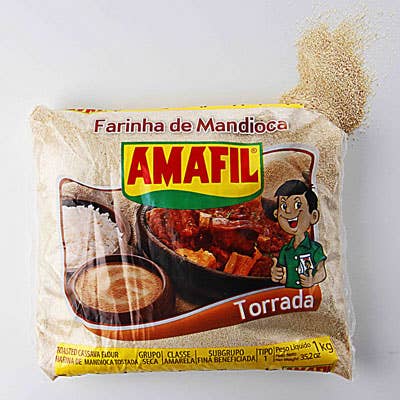
Farofa de Ovo e Cebolinha (Eggs and Scallions with Toasted Cassava Flour)
ADVERTISEMENTADAD
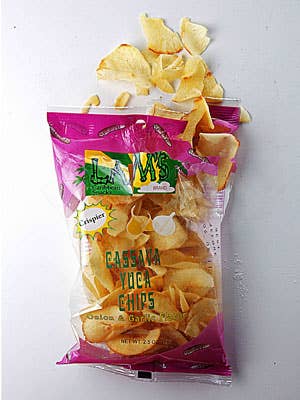
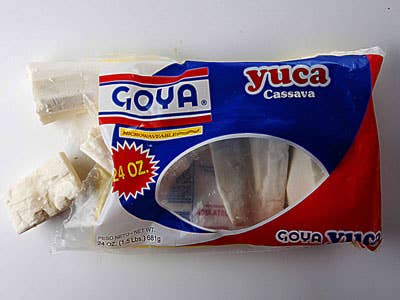
Yuca con Mojo (Cassava with Garlic and Citrus)
ADVERTISEMENTADAD
Keep Reading



Continue to Next Story
ADVERTISEMENTADAD