In Montreal and New Orleans, A French Holiday Celebration Endures
How two families craft new traditions around the glorious late-night feast of réveillon.

By Chantal Martineau, Kayla Stewart


Published on December 16, 2025

From a cozy gathering in Montreal to a Creole-inflected dinner in New Orleans, the two stories that follow reveal how Catholic holiday celebrations have transformed over the years in these two French-influenced cities. Once an elaborate feast in the wee hours after Midnight Mass, the réveillons of today continue to evolve, but one thing stays the same: Family is always front and center.

This piece originally appeared in SAVEUR’s Fall/Winter 2025 issue. See more stories from Issue 205.

Le Plateau-Mont-Royal, Montreal
Le Plateau-Mont-Royal, Montreal
Michael Abril

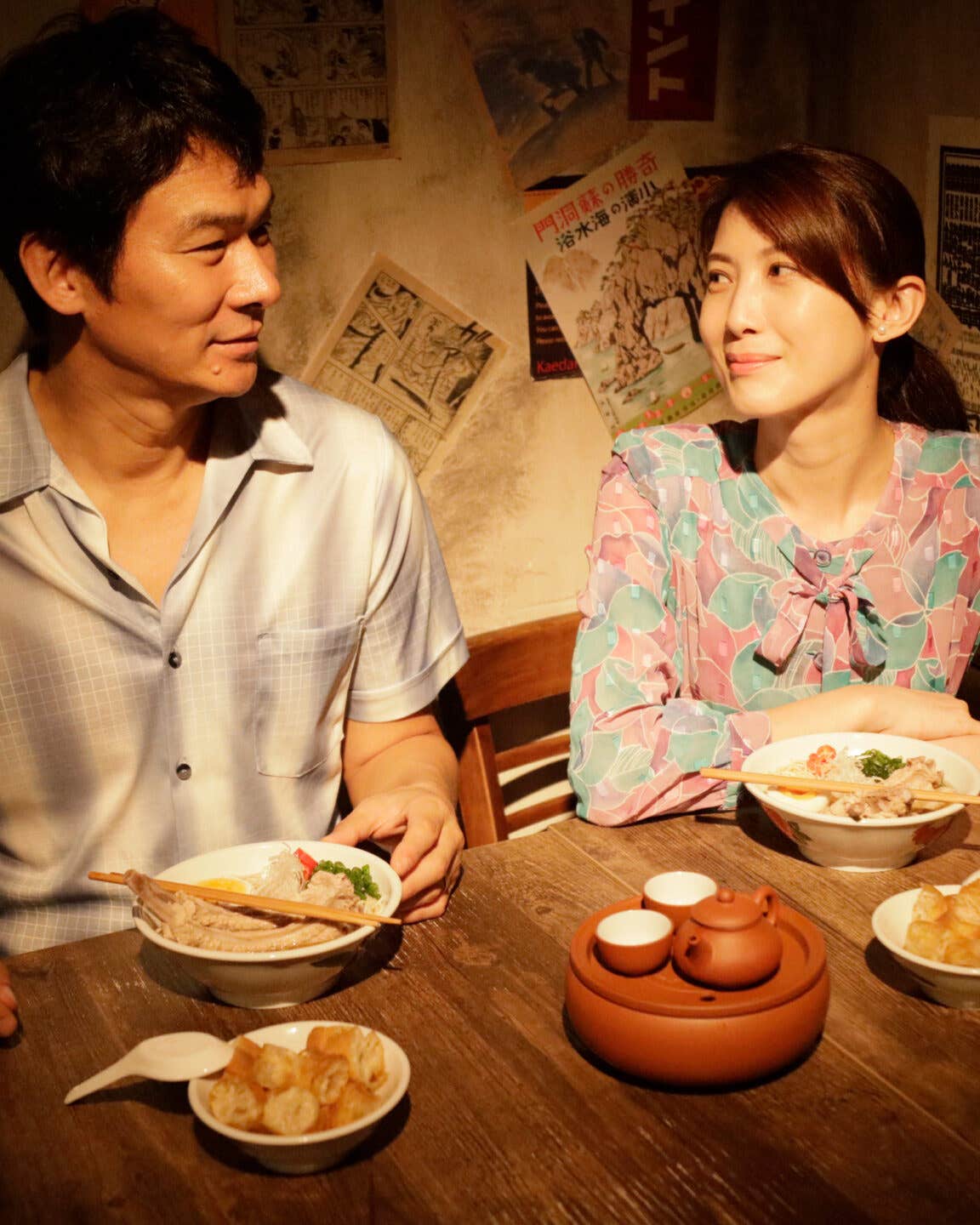
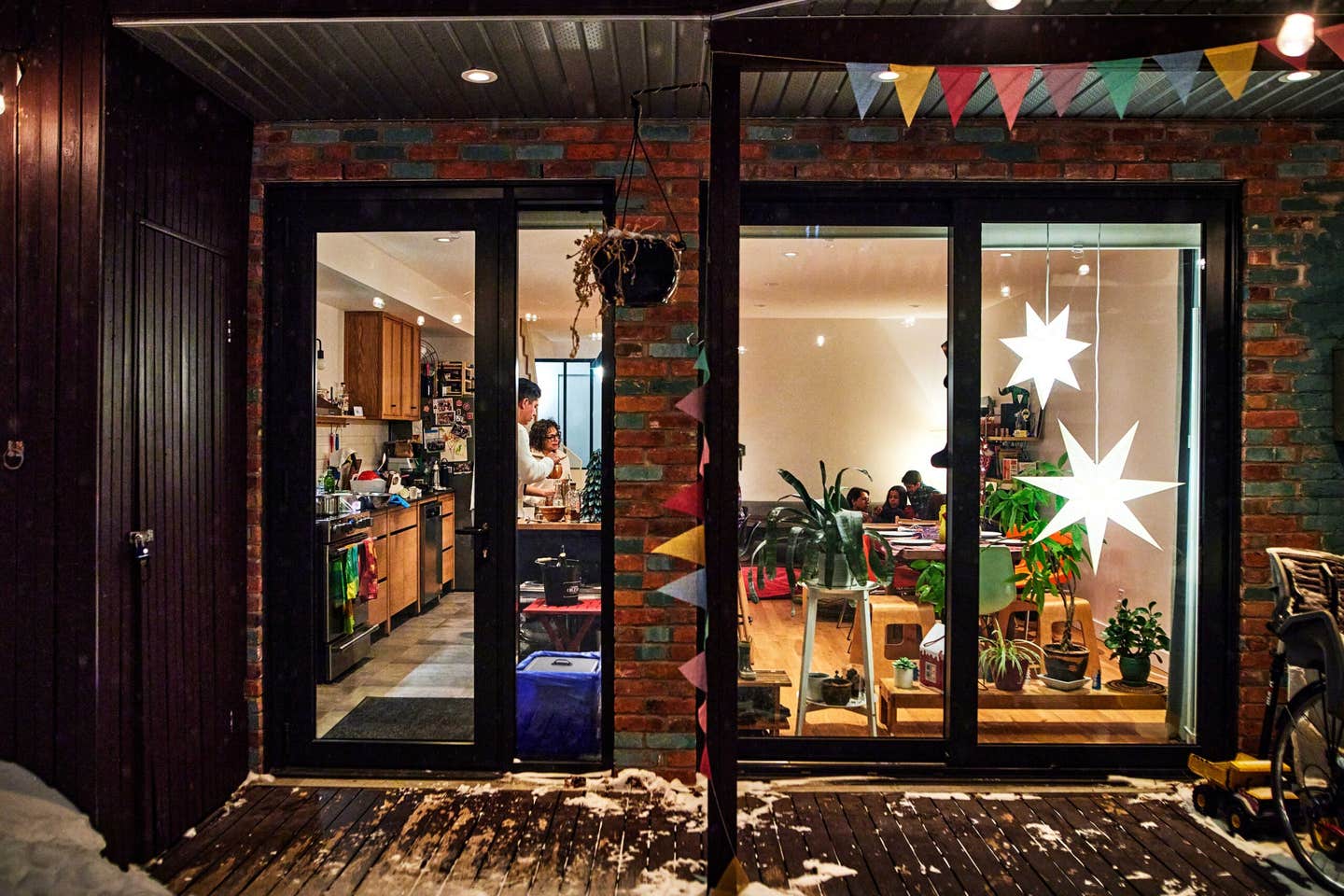
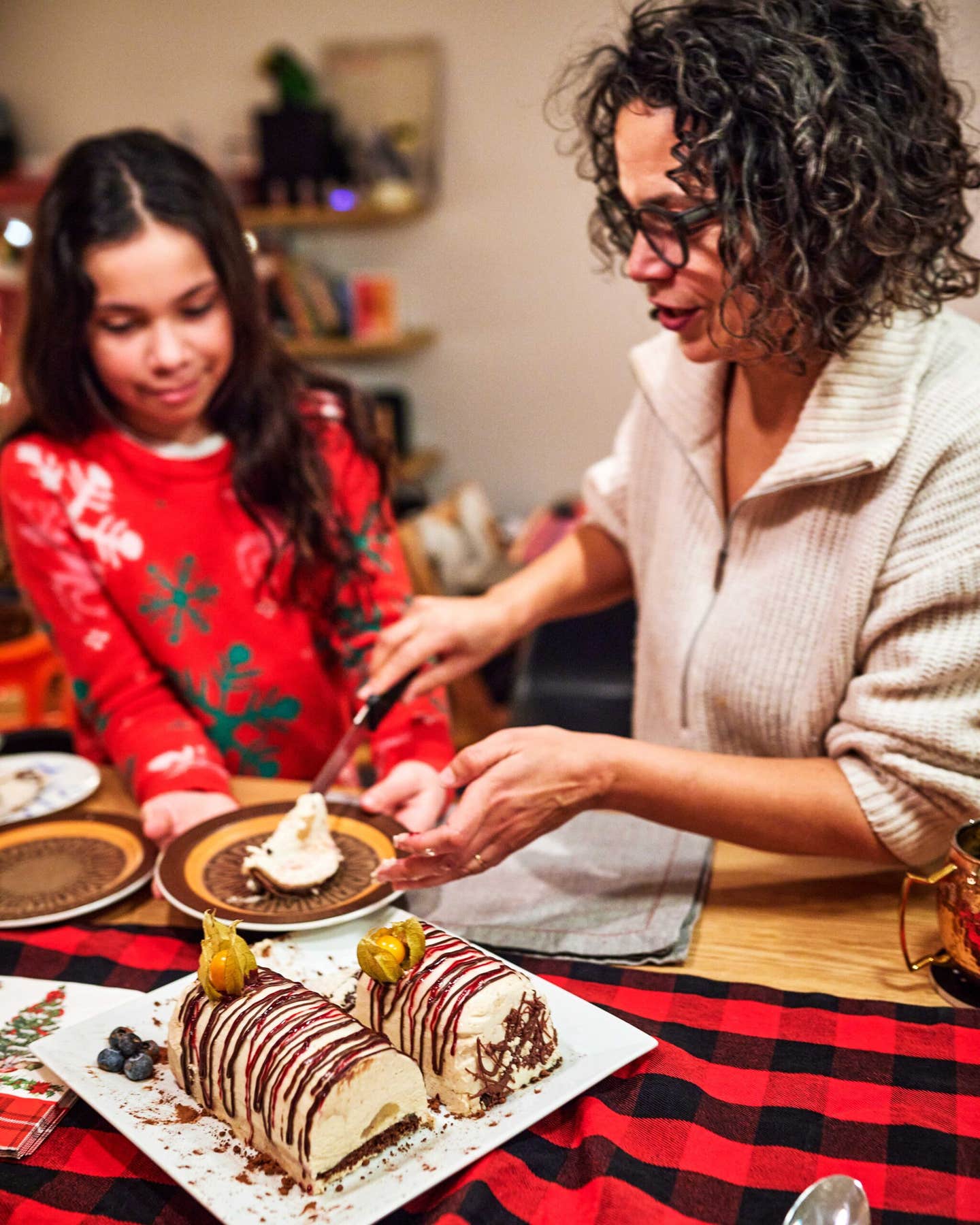
It’s 7 p.m. on Christmas Eve, and the table is set. When I was a kid in the suburbs of Montreal, every holiday season was celebrated with a dozen aunts and uncles, cousins, and our beloved Grandmaman. The annual réveillon meal was served at midnight back then, but I can’t imagine keeping my 6-year-old up that late now. Still, my kids stay up past their bedtimes and pick one of their gifts to open, just like we did. It’s my way of honoring réveillons past.

Montreal
Michael Abril

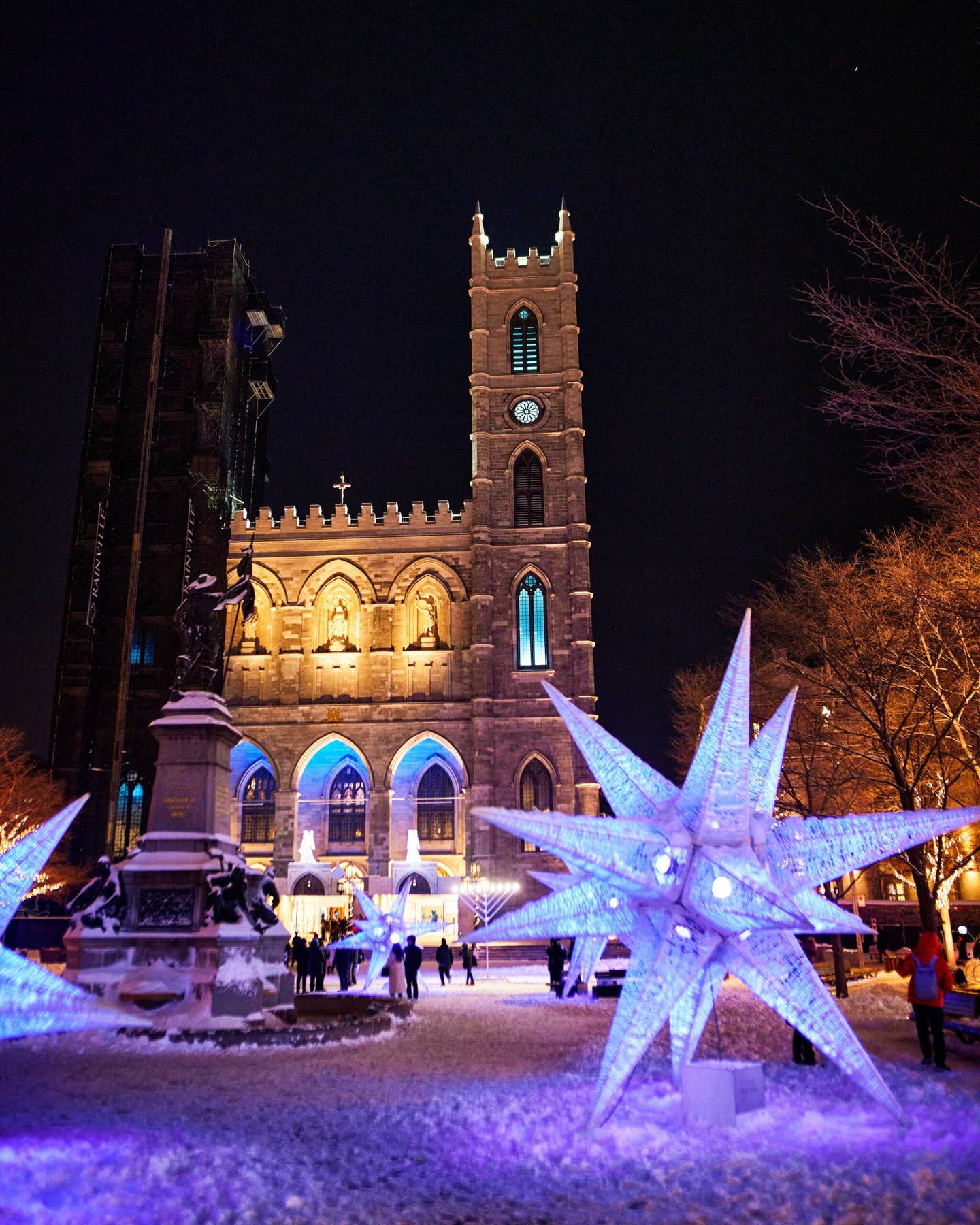
Montreal may be known for its ­nightlife, but after dark on December 24, the streets are quiet. Restaurants and bars are empty, and the city’s inhabitants are celebrating at home—though not necessarily quietly. Growing up, my family threw all-night, shoes-off parties in my uncle’s basement, the adults knocking back wine and cases of Labatt beer. With one uncle on keyboard, another on guitar, and my dad on the spoons, the men belted out old French ballads that I was too embarrassed to sing along to. The women joined in, too, but they preferred to save their energy for midnight, when we’d exchange well wishes and small gifts­—usually homemade. They almost always cried, and I imagined it was over how much they loved one another, until my Grandmaman passed, and I realized they wept because they missed her.

By the time the food was brought out, my cousins and I were ravenous, and our eyes were itchy with sleep. Réveillon, from “réveil,” or “awakening,” is traditionally served after Midnight Mass, but going to church wasn’t part of our family’s tradition. In the 1960s, Catholicism lost its grip on Quebec’s government. The province secularized, but many still kept the ritual of this midnight meal alive.

Midnight meals
Michael Abril

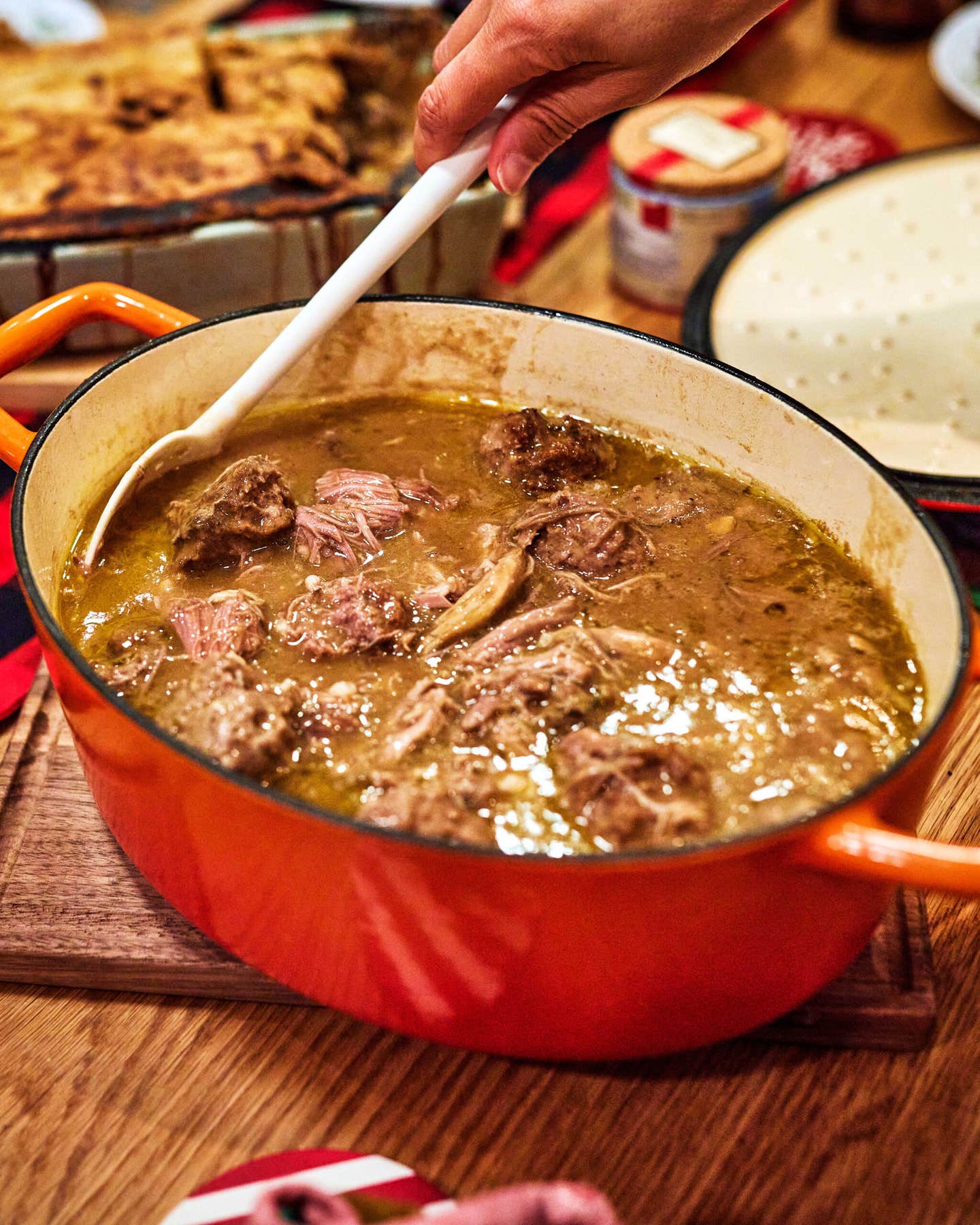
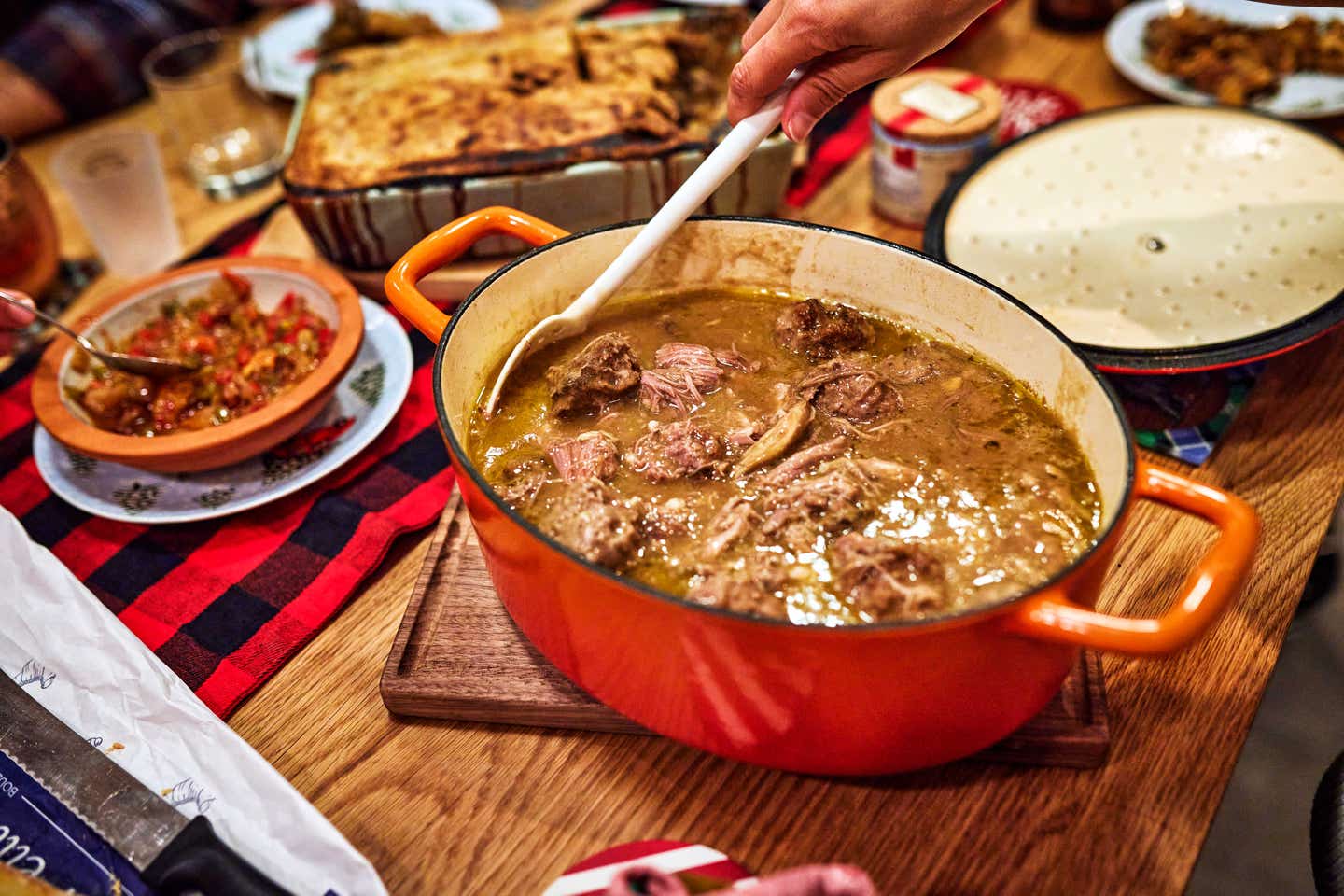
The star of the table was always Grandmaman’s ragoût de boulettes et pattes, a hearty Quebecois stew of pork trotter gravy and meatballs served with plain boiled potatoes. At little more than 100 pounds, Grandmaman was the pillar of our large family. Preparing her ragoût was a daylong affair that began with browning the flour that thickened the gravy. The trotters simmered for hours until their tender, savory meat pulled from the bone.

“It’s a tradition to eat ragoût because we always raised so much pork here,” says Jean-Pierre Lemasson, a Montreal-based sociologist and food historian. Quebec still produces roughly a third of Canada’s pork, more than any other province. At Christmas, it’s used not only in ragoût but in the meat pie known as tourtière.

If ragoût is the star, then tourtière is the staple. No réveillon is complete without it. Typically made with ground pork and beef or veal, the pie’s ingredients vary across regions. When my aunt from Quebec City married a man from Saguenay–Lac-Saint-Jean, to Montreal’s northeast, she learned to make the deep-dish version he grew up with. Cooked in a large casserole, the crust encased several layers of cubed meat and potatoes, simply seasoned with parsley and black pepper. Tourtière du Lac-Saint-Jean uses chopped meats instead of ground, and while the pork, beef, and veal combination is popular, some bakers also use wild game. My aunt built hers using moose and hare my uncles hunted, giving it a rich, distinctive flavor. To this day, that’s my preferred tourtière. When I made this year’s pie, with pork, duck, and wapiti (elk), I was sure to consult my aunt.

“I don’t really have a recipe,” she said. “I use whatever meat we have.” About a week before we spoke, she told me, a flying partridge collided with their window. My uncle raced outside to clean the bird so the meat wouldn’t go to waste, and, naturally, it ended up in her tourtière this year.

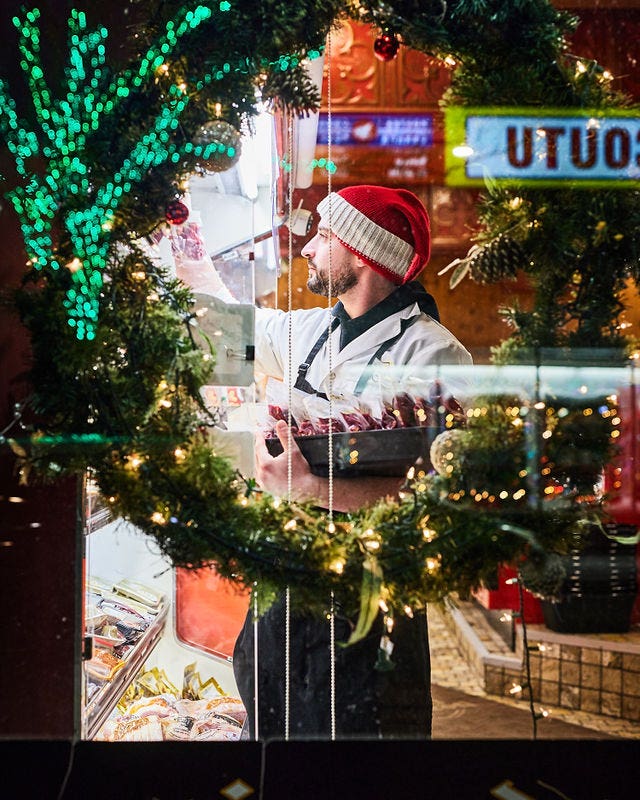
“It’s one of the oldest dishes in human ­history,” says Lemasson, citing 3,700-year-old clay tablets discovered in what was once Mesopotamia, inscribed with a meat pie recipe calling for “small birds.” He traces Quebec’s tourtière to French cipaille, which likely came from “sea pie,” a dish of meat layered with pastry that English sailors would cook at sea. New Englanders brought it with them when they settled the Saguenay region in the 1850s. While the ground beef version is still the most common—you can pick one up at any supermarket—the­ Lac-St-Jean style is harder to find. Costcos throughout the province sell it, as do a few bakeries and butchers.

Market
Michael Abril

“There aren’t many restaurants for traditional Quebecois home cooking,” says Gwenaëlle Reyt, an urban studies lecturer specializing in local gastronomy. In the early 2000s, Montreal chef Martin Picard made headlines for putting rustic foods like pigs’ feet and pudding chômeur (literally: “unemployed man’s pudding”) on the menu at Au Pied du Cochon. These were foods many French Canadians had only ever eaten at home. And yet, as Reyt notes, despite the absence of traditional dishes on restaurant menus—or maybe because of it—the cultural importance of home cooking in Quebec is huge.

Home cooking
Michael Abril

My American husband, Richard, experienced his first réveillon when I was pregnant with our first child. The entire province was in a deep freeze when we drove up from New York, him brushing up on his French in the car. About two dozen of my aunts, uncles, cousins, and their kids crowded into an old summer camp—the only place we all fit—sleeping in bunk beds and dining in the mess hall. It would be our last réveillon together before we started splitting off to celebrate in smaller units, my aunts and uncles each with their own growing clans.

That year, Richard witnessed firsthand the singing, spoon playing, and tears. He ate my aunt’s tourtière and Grandmaman’s ragoût. At midnight, we all exchanged kisses on both cheeks, and Richard was granted some of the most heartfelt blessings he had ever received: wishes for love, health, joy, and children, each delivered with eyes locked in devastating earnestness—just like when I was little. It helped him understand how I wanted to celebrate the holiday with our children. We might not hunt our own meat or stay up until midnight, but we try to keep it sincere, with family at its heart. —Chantal Martineau

The Montreal Menu:

The Montreal Menu
Michael Abril

Uptown, New Orleans

Chef Dominick Lee
L. Kasimu Harris

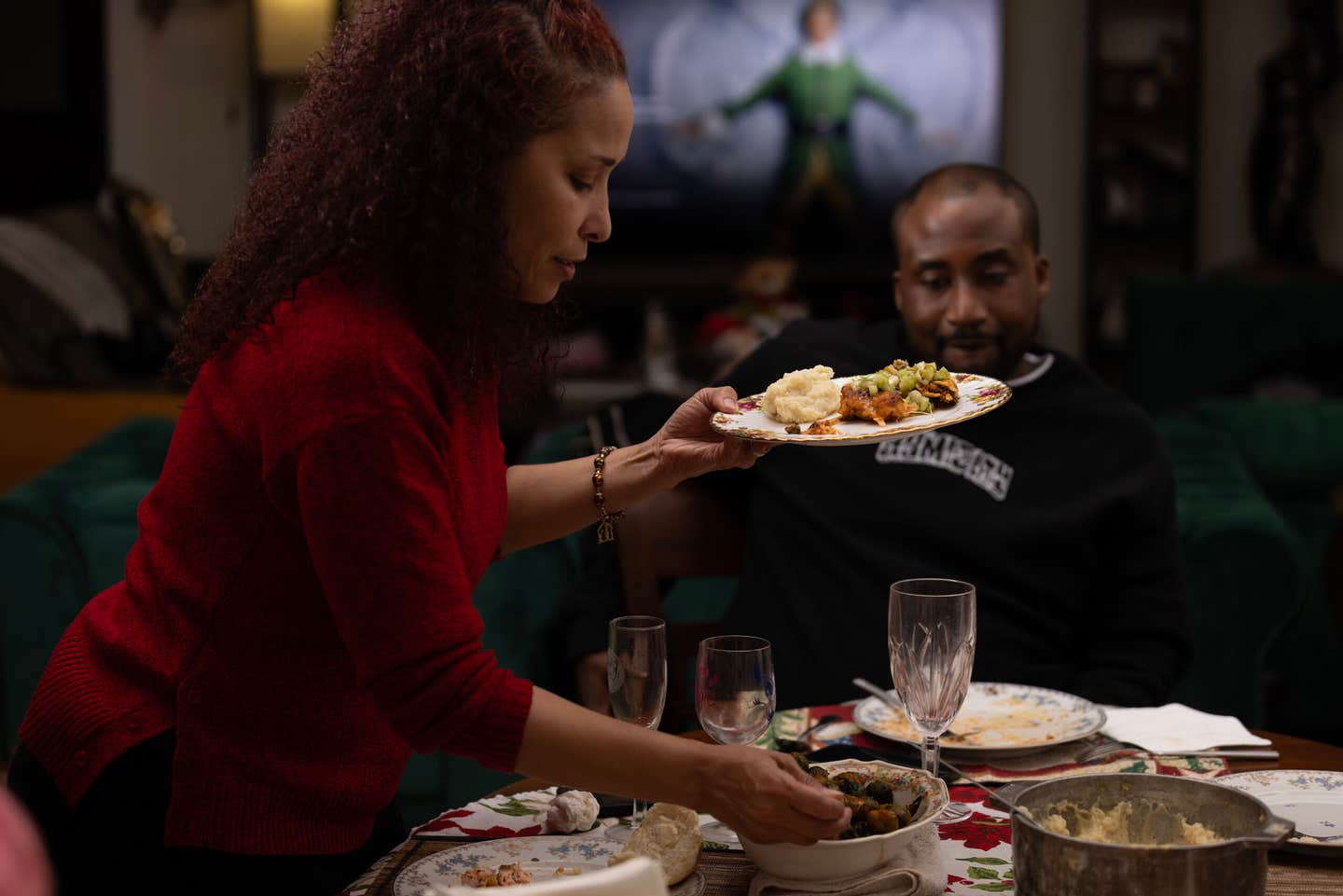
Just days before Christmas at a butter yellow home in Uptown, New Orleans, chef Dominick Lee dips a spoon into a simmering pot of gumbo. As he tastes the stew—his Cajun version a luxurious combination of chicken thighs and freshly shucked oysters—holiday music and sounds from the movie Elf trickle in from the living room. I’ve been to several of the chef’s preview dinners for Augustine’s, his restaurant opening this year at the Hotel King David in Houston’s historic Third Ward. I chat with his family about the progressive Creole menu, a technique-driven, contemporary approach to regional dishes like jambalaya, boudin, and—of course—gumbo. As the cool winter wind whispers outdoors, we sit on the couch, eagerly awaiting a feast that features Lee’s family recipes for some of these local ­specialties, and I know I’m in for a truly divine meal.

Chicken and Oyster Gumbo
Photo: Doaa Elkady • Food Styling: Jason Schreiber • Prop Styling: Paige Hicks

In New Orleans, the réveillon feast is preserved both in restaurants and in French Creole households like this one. The Houston-based chef, who has both Sicilian and Louisiana Creole heritage, gathers with his family here most years to celebrate the holiday, a tradition they’ve upheld for generations. “New Orleans is such a specific place with regards to arts, music, and, of course, food,” he says, “but it’s the family and community values that give celebrations like réveillon their soul.” We clink glasses of ­cinnamon-infused Creole 75, and the meal begins.

In the 1800s, réveillon ­dinners in the Crescent City were formal affairs. New Orleanian author Poppy Tooker tells me of some of the city’s earliest celebrations: After fasting through Midnight Mass, “in the wee hours of the morning,” she explains, observant Catholics “would have an enormous feast with ­beautiful luxury foods, imported and local.” Intricate cakes and pastries dotted the table. Oysters—roasted, raw, or chargrilled—were a must, and there may have even been a bit of foie gras. Over time, these dinners became more elaborate, revelrous, and indulgent. “Like many things that came to New Orleans from France,” Tooker ­continued, “once it gets into our hands, it’s like it’s on steroids.”

Dinner
L. Kasimu Harris

At the house, Lee’s mother, Gina Lefort, and grandmother, Marianna Dangelo, reminisce about réveillons past. “We used to have cannolis and Italian cakes,” says Dangelo, whose ancestors immigrated to New Orleans from Contessa Entellina, a town in western Sicily. Each year on Christmas Eve, she and her family attended mass at the Sacred Heart of Jesus Church on Canal Street before coming home to feast on seafood, Italian pastries, and—most memorable to Dangelo—laughter: “the key ingredient for everything,” she says.

The 85-year-old matriarch ­continued the tradition for her daughter, Gina. Lefort recalls an assortment of classic dishes with an unmistakable home-cooked essence: platters of stuffed pasta and braciole, bursting beef roulades simmered in tomato sauce. Vegetables were always on the table, too, and Italian American tomato gravy.

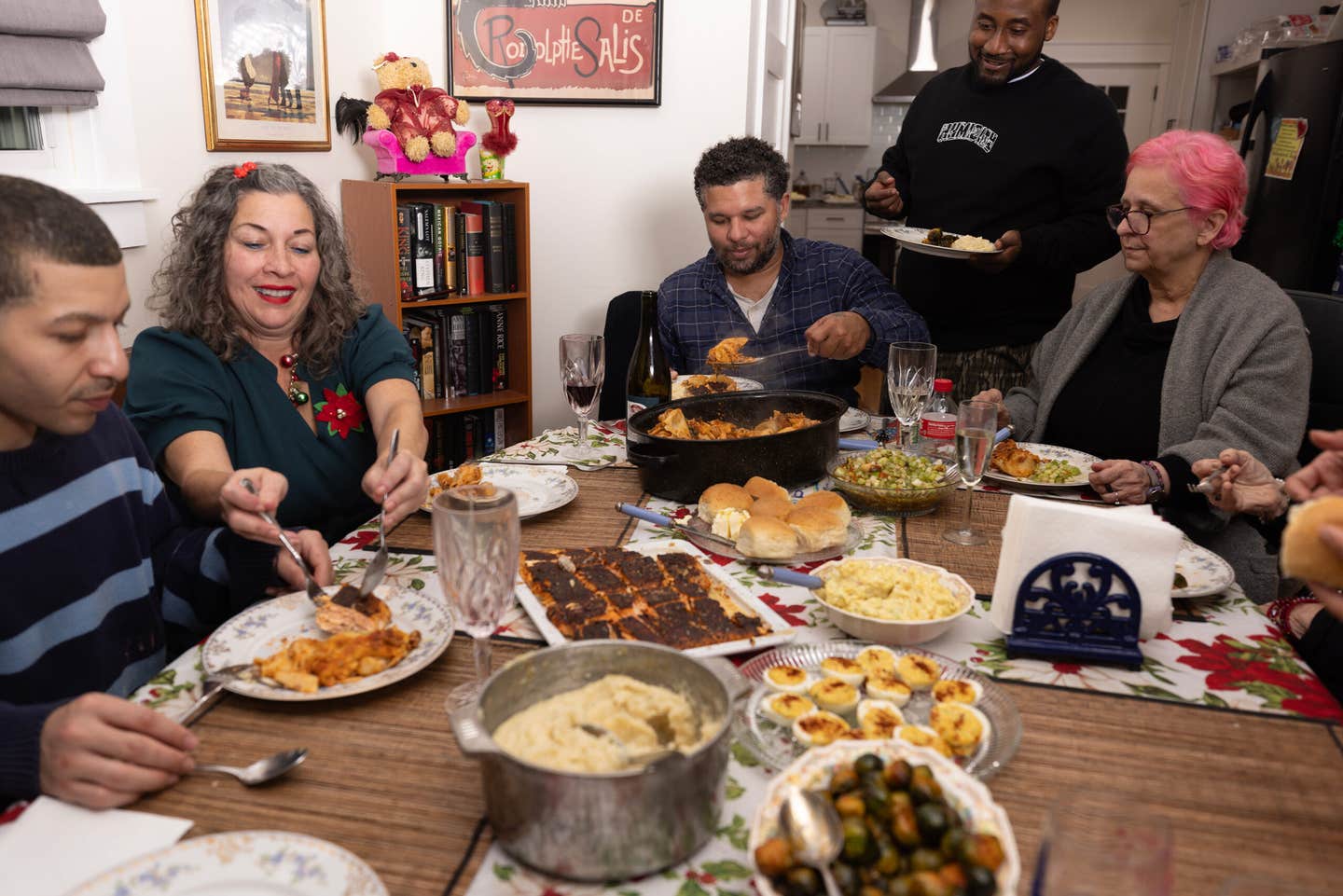
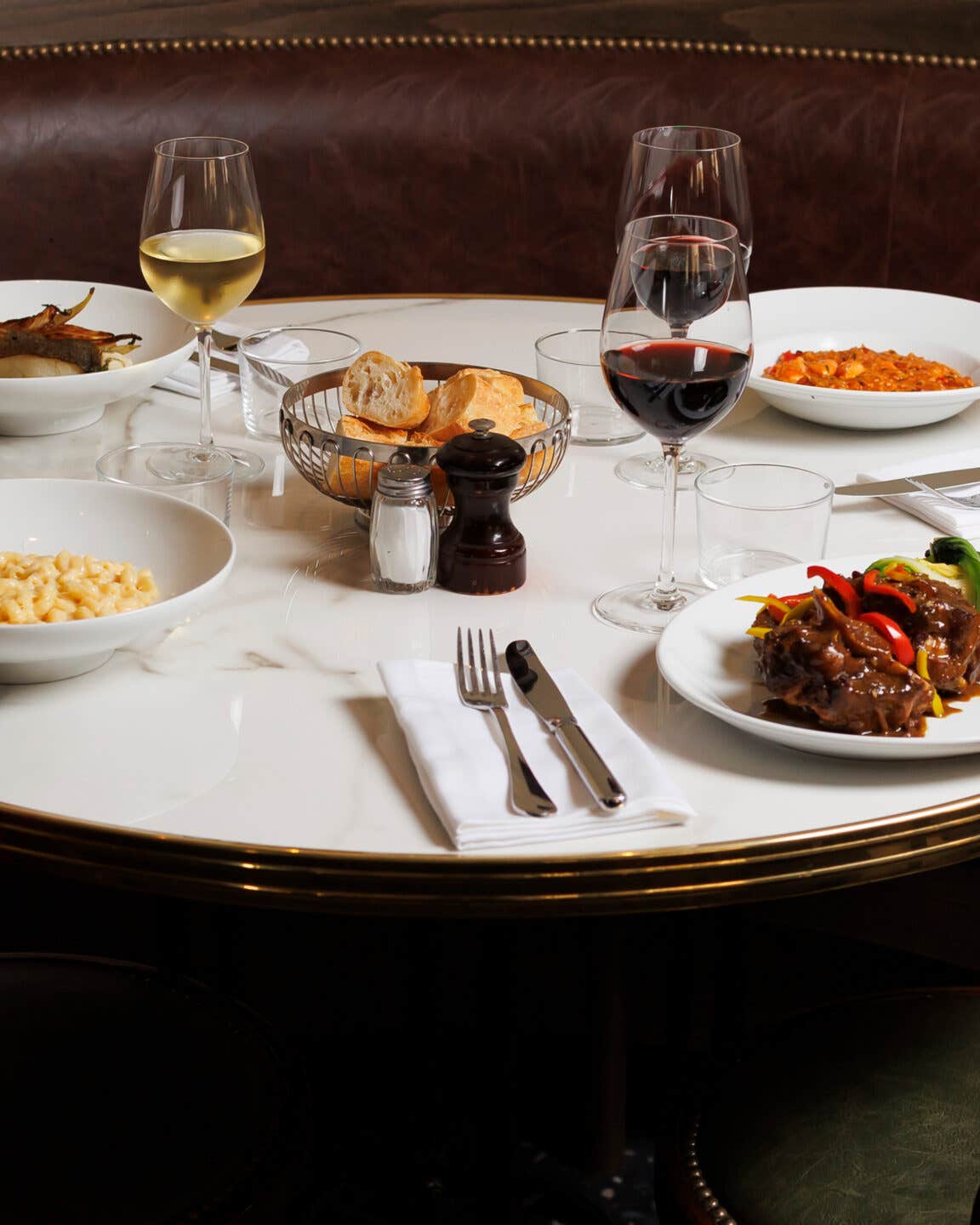
On today’s réveillon table, the ­family’s customs endure in Dangelo’s Sicilian Creole shells stuffed with two fillings: spinach and cream cheese, and generously seasoned beef with tomato sauce. Lefort’s classic deviled eggs make an appearance each year, as does an Italian-style olive and celery salad. Lee’s gumbo, served with white rice and a dollop of creamy potato salad, is also on the table. The food—homey, celebratory, and nourishing—signifies that the ­holiday has officially begun.

L. Kasimu Harris

Both Tooker and Lee agree that ­attitudes have changed since New Orleans’ early réveillon celebrations. While Lee’s family has long preserved a version of the tradition, my dinner with them was two days before Christmas, not on Christmas Eve, and many of us certainly wouldn’t last until the early hours of the morning. Lee’s family is not alone; according to Tooker, by the 1940s, home-cooked, post-midnight réveillon dinners had become nearly obsolete; the idea didn’t quite translate to 20th‑­century social norms.

But New Orleanians always loved an excuse to party, and around that time, French Quarter institution Antoine’s started serving réveillon meals (at a respectable dinner hour) to those who wished to celebrate without the late-night hassle. By the 1990s, as part of a city-wide tourism initiative, other historic restaurants in the Quarter, including Arnaud’s, Commander’s Palace, and Galatoire’s, had all begun offering ­réveillon menus. Today, réveillon dinners (and some lunches) can be found throughout the city as early as the day after Thanksgiving, all the way through New Year’s Day.

The week before I rang in the ­holiday with Lee and his family, I visited Copper Vine Wine Pub & Inn on Poydras Street, and was delighted by the hotel’s cozy holiday décor. Beneath the glow of street lamps affixed to walls and strings of miniature lights, I tucked into a réveillon menu of chargrilled oysters, seared ­scallops, and a pumpkin trifle that ­convinced me that, here in New Orleans, this truly is the most wonderful time of the year.

But spending the evening with Lee’s family, as the clock inches closer to midnight, I’m charmed by the increasingly rare home-cooked réveillon, where preserving tradition goes hand in hand with creating new memories. The chef and his ­relatives—a mix of Sicilian, Creole, East Asian, and Latin American heritage—proudly refer to themselves as a “melting pot.”

Chef Dominick Lee
L. Kasimu Harris

Also on the table is Lee’s handmade ­pandesal, an ode to Louisiana’s Bayou St. Malo, the United States’ first Filipino settlement. His cousin Anita Oubre, whose father is Nicaraguan, explains why she incorporates tamales into the réveillon dinners she shares with her husband and ­children. “It just isn’t Christmas until you’ve had the ­nacatamales.” For decades, she’s given these regional tamales, stuffed with pork, capers, green peas, rice, and potato, as gifts, cementing the recipe’s role in her family’s own culinary legacy. “Why not celebrate our uniqueness as much as we can?” she remarks. As we all grab our glasses of champagne for one last toast of the evening, the ­laughter that follows ensures we do just that. —Kayla Stewart

The New Orleans Menu:

Still Life Table Setting
Photo: Doaa Elkady • Food Styling: Jason Schreiber • Prop Styling: Paige Hicks

Photo Illustration: Russ Smith • Photos, from left: Doaa Elkady, Michael Abril
In Montreal and New Orleans, A French Holiday Celebration Endures
PHOTO ILLUSTRATION: RUSS SMITH • PHOTOS, FROM LEFT: DOAA ELKADY, MICHAEL ABRIL
Culture

In Montreal and New Orleans, A French Holiday Celebration Endures

How two families craft new traditions around the glorious late-night feast of réveillon.

By Chantal Martineau, Kayla Stewart


Published on December 16, 2025

From a cozy gathering in Montreal to a Creole-inflected dinner in New Orleans, the two stories that follow reveal how Catholic holiday celebrations have transformed over the years in these two French-influenced cities. Once an elaborate feast in the wee hours after Midnight Mass, the réveillons of today continue to evolve, but one thing stays the same: Family is always front and center.

This piece originally appeared in SAVEUR’s Fall/Winter 2025 issue. See more stories from Issue 205.

Le Plateau-Mont-Royal, Montreal

Le Plateau-Mont-Royal, Montreal
Michael Abril

It’s 7 p.m. on Christmas Eve, and the table is set. When I was a kid in the suburbs of Montreal, every holiday season was celebrated with a dozen aunts and uncles, cousins, and our beloved Grandmaman. The annual réveillon meal was served at midnight back then, but I can’t imagine keeping my 6-year-old up that late now. Still, my kids stay up past their bedtimes and pick one of their gifts to open, just like we did. It’s my way of honoring réveillons past.
Montreal
Michael Abril

Montreal may be known for its ­nightlife, but after dark on December 24, the streets are quiet. Restaurants and bars are empty, and the city’s inhabitants are celebrating at home—though not necessarily quietly. Growing up, my family threw all-night, shoes-off parties in my uncle’s basement, the adults knocking back wine and cases of Labatt beer. With one uncle on keyboard, another on guitar, and my dad on the spoons, the men belted out old French ballads that I was too embarrassed to sing along to. The women joined in, too, but they preferred to save their energy for midnight, when we’d exchange well wishes and small gifts­—usually homemade. They almost always cried, and I imagined it was over how much they loved one another, until my Grandmaman passed, and I realized they wept because they missed her.

By the time the food was brought out, my cousins and I were ravenous, and our eyes were itchy with sleep. Réveillon, from “réveil,” or “awakening,” is traditionally served after Midnight Mass, but going to church wasn’t part of our family’s tradition. In the 1960s, Catholicism lost its grip on Quebec’s government. The province secularized, but many still kept the ritual of this midnight meal alive.
Midnight meals
Michael Abril

The star of the table was always Grandmaman’s ragoût de boulettes et pattes, a hearty Quebecois stew of pork trotter gravy and meatballs served with plain boiled potatoes. At little more than 100 pounds, Grandmaman was the pillar of our large family. Preparing her ragoût was a daylong affair that began with browning the flour that thickened the gravy. The trotters simmered for hours until their tender, savory meat pulled from the bone.

“It’s a tradition to eat ragoût because we always raised so much pork here,” says Jean-Pierre Lemasson, a Montreal-based sociologist and food historian. Quebec still produces roughly a third of Canada’s pork, more than any other province. At Christmas, it’s used not only in ragoût but in the meat pie known as tourtière.

If ragoût is the star, then tourtière is the staple. No réveillon is complete without it. Typically made with ground pork and beef or veal, the pie’s ingredients vary across regions. When my aunt from Quebec City married a man from Saguenay–Lac-Saint-Jean, to Montreal’s northeast, she learned to make the deep-dish version he grew up with. Cooked in a large casserole, the crust encased several layers of cubed meat and potatoes, simply seasoned with parsley and black pepper. Tourtière du Lac-Saint-Jean uses chopped meats instead of ground, and while the pork, beef, and veal combination is popular, some bakers also use wild game. My aunt built hers using moose and hare my uncles hunted, giving it a rich, distinctive flavor. To this day, that’s my preferred tourtière. When I made this year’s pie, with pork, duck, and wapiti (elk), I was sure to consult my aunt.

“I don’t really have a recipe,” she said. “I use whatever meat we have.” About a week before we spoke, she told me, a flying partridge collided with their window. My uncle raced outside to clean the bird so the meat wouldn’t go to waste, and, naturally, it ended up in her tourtière this year.

“It’s one of the oldest dishes in human ­history,” says Lemasson, citing 3,700-year-old clay tablets discovered in what was once Mesopotamia, inscribed with a meat pie recipe calling for “small birds.” He traces Quebec’s tourtière to French cipaille, which likely came from “sea pie,” a dish of meat layered with pastry that English sailors would cook at sea. New Englanders brought it with them when they settled the Saguenay region in the 1850s. While the ground beef version is still the most common—you can pick one up at any supermarket—the­ Lac-St-Jean style is harder to find. Costcos throughout the province sell it, as do a few bakeries and butchers.
Market
Michael Abril

“There aren’t many restaurants for traditional Quebecois home cooking,” says Gwenaëlle Reyt, an urban studies lecturer specializing in local gastronomy. In the early 2000s, Montreal chef Martin Picard made headlines for putting rustic foods like pigs’ feet and pudding chômeur (literally: “unemployed man’s pudding”) on the menu at Au Pied du Cochon. These were foods many French Canadians had only ever eaten at home. And yet, as Reyt notes, despite the absence of traditional dishes on restaurant menus—or maybe because of it—the cultural importance of home cooking in Quebec is huge.
Home cooking
Michael Abril

My American husband, Richard, experienced his first réveillon when I was pregnant with our first child. The entire province was in a deep freeze when we drove up from New York, him brushing up on his French in the car. About two dozen of my aunts, uncles, cousins, and their kids crowded into an old summer camp—the only place we all fit—sleeping in bunk beds and dining in the mess hall. It would be our last réveillon together before we started splitting off to celebrate in smaller units, my aunts and uncles each with their own growing clans.

That year, Richard witnessed firsthand the singing, spoon playing, and tears. He ate my aunt’s tourtière and Grandmaman’s ragoût. At midnight, we all exchanged kisses on both cheeks, and Richard was granted some of the most heartfelt blessings he had ever received: wishes for love, health, joy, and children, each delivered with eyes locked in devastating earnestness—just like when I was little. It helped him understand how I wanted to celebrate the holiday with our children. We might not hunt our own meat or stay up until midnight, but we try to keep it sincere, with family at its heart. —Chantal Martineau
The Montreal Menu:

The Montreal Menu
Michael Abril

Uptown, New Orleans

Chef Dominick Lee
L. Kasimu Harris

Just days before Christmas at a butter yellow home in Uptown, New Orleans, chef Dominick Lee dips a spoon into a simmering pot of gumbo. As he tastes the stew—his Cajun version a luxurious combination of chicken thighs and freshly shucked oysters—holiday music and sounds from the movie Elf trickle in from the living room. I’ve been to several of the chef’s preview dinners for Augustine’s, his restaurant opening this year at the Hotel King David in Houston’s historic Third Ward. I chat with his family about the progressive Creole menu, a technique-driven, contemporary approach to regional dishes like jambalaya, boudin, and—of course—gumbo. As the cool winter wind whispers outdoors, we sit on the couch, eagerly awaiting a feast that features Lee’s family recipes for some of these local ­specialties, and I know I’m in for a truly divine meal.
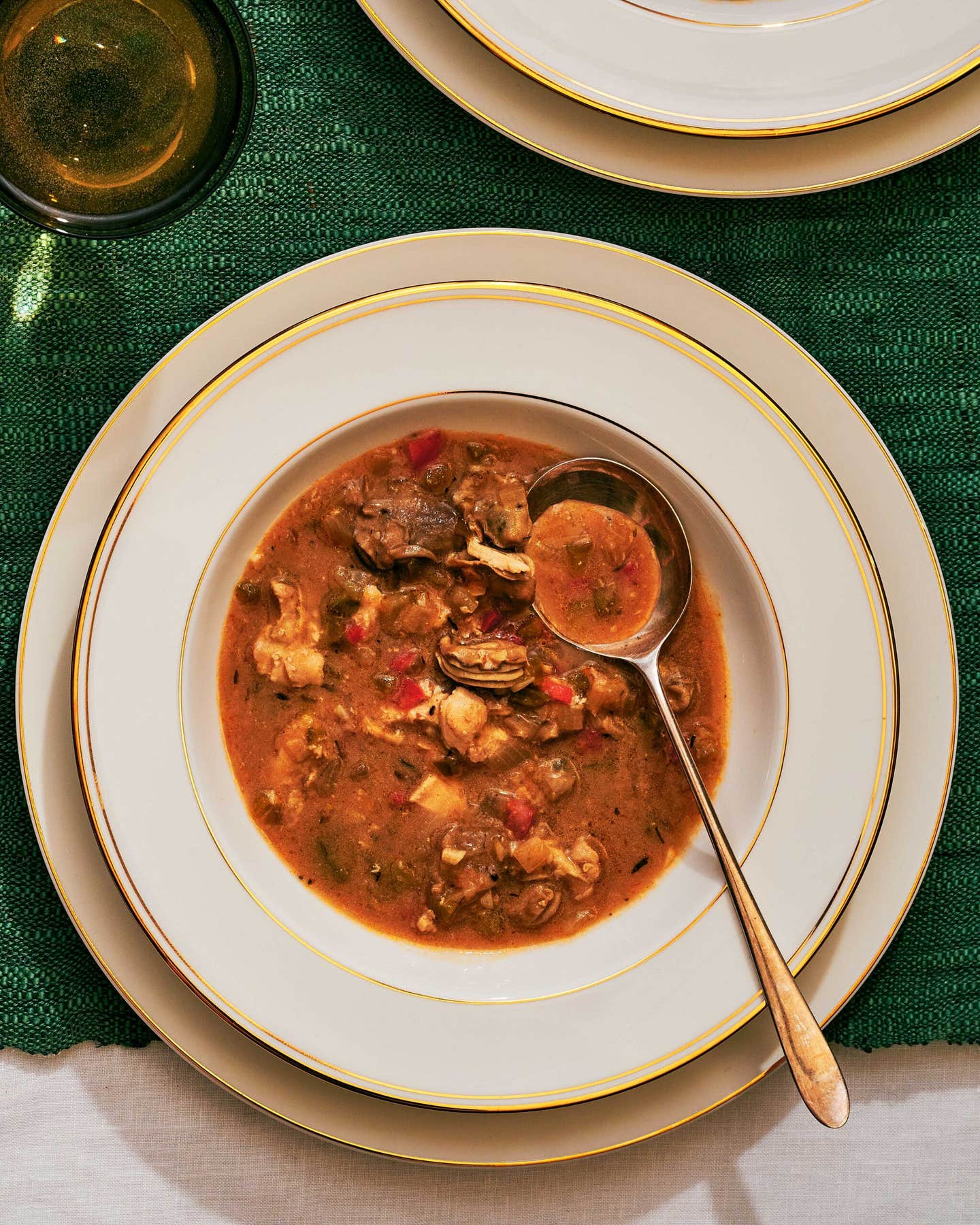
Chicken and Oyster Gumbo
Photo: Doaa Elkady • Food Styling: Jason Schreiber • Prop Styling: Paige Hicks

In New Orleans, the réveillon feast is preserved both in restaurants and in French Creole households like this one. The Houston-based chef, who has both Sicilian and Louisiana Creole heritage, gathers with his family here most years to celebrate the holiday, a tradition they’ve upheld for generations. “New Orleans is such a specific place with regards to arts, music, and, of course, food,” he says, “but it’s the family and community values that give celebrations like réveillon their soul.” We clink glasses of ­cinnamon-infused Creole 75, and the meal begins.

In the 1800s, réveillon ­dinners in the Crescent City were formal affairs. New Orleanian author Poppy Tooker tells me of some of the city’s earliest celebrations: After fasting through Midnight Mass, “in the wee hours of the morning,” she explains, observant Catholics “would have an enormous feast with ­beautiful luxury foods, imported and local.” Intricate cakes and pastries dotted the table. Oysters—roasted, raw, or chargrilled—were a must, and there may have even been a bit of foie gras. Over time, these dinners became more elaborate, revelrous, and indulgent. “Like many things that came to New Orleans from France,” Tooker ­continued, “once it gets into our hands, it’s like it’s on steroids.”
Dinner
L. Kasimu Harris

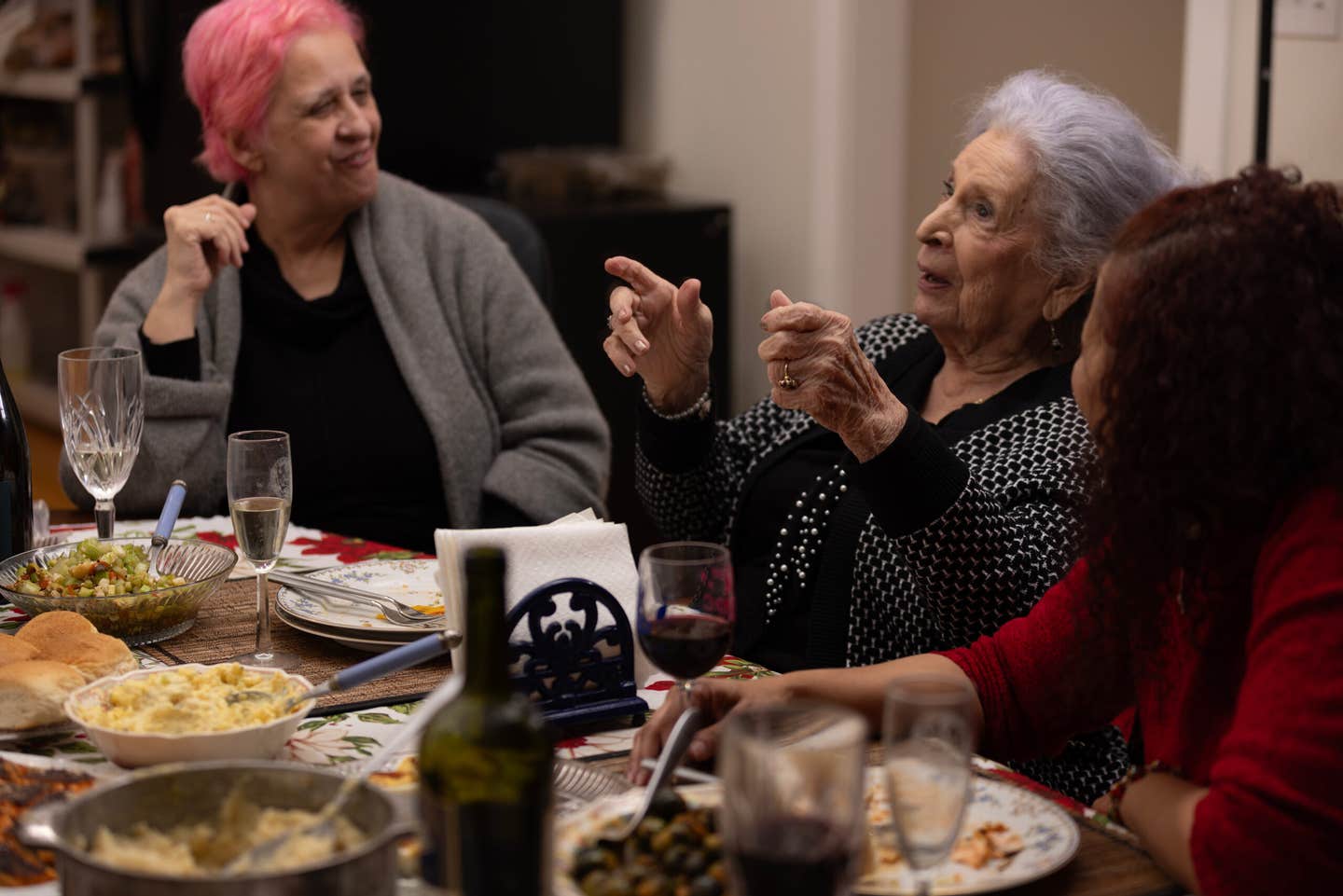
At the house, Lee’s mother, Gina Lefort, and grandmother, Marianna Dangelo, reminisce about réveillons past. “We used to have cannolis and Italian cakes,” says Dangelo, whose ancestors immigrated to New Orleans from Contessa Entellina, a town in western Sicily. Each year on Christmas Eve, she and her family attended mass at the Sacred Heart of Jesus Church on Canal Street before coming home to feast on seafood, Italian pastries, and—most memorable to Dangelo—laughter: “the key ingredient for everything,” she says.

The 85-year-old matriarch ­continued the tradition for her daughter, Gina. Lefort recalls an assortment of classic dishes with an unmistakable home-cooked essence: platters of stuffed pasta and braciole, bursting beef roulades simmered in tomato sauce. Vegetables were always on the table, too, and Italian American tomato gravy.

On today’s réveillon table, the ­family’s customs endure in Dangelo’s Sicilian Creole shells stuffed with two fillings: spinach and cream cheese, and generously seasoned beef with tomato sauce. Lefort’s classic deviled eggs make an appearance each year, as does an Italian-style olive and celery salad. Lee’s gumbo, served with white rice and a dollop of creamy potato salad, is also on the table. The food—homey, celebratory, and nourishing—signifies that the ­holiday has officially begun.

L. Kasimu Harris

Both Tooker and Lee agree that ­attitudes have changed since New Orleans’ early réveillon celebrations. While Lee’s family has long preserved a version of the tradition, my dinner with them was two days before Christmas, not on Christmas Eve, and many of us certainly wouldn’t last until the early hours of the morning. Lee’s family is not alone; according to Tooker, by the 1940s, home-cooked, post-midnight réveillon dinners had become nearly obsolete; the idea didn’t quite translate to 20th‑­century social norms.

But New Orleanians always loved an excuse to party, and around that time, French Quarter institution Antoine’s started serving réveillon meals (at a respectable dinner hour) to those who wished to celebrate without the late-night hassle. By the 1990s, as part of a city-wide tourism initiative, other historic restaurants in the Quarter, including Arnaud’s, Commander’s Palace, and Galatoire’s, had all begun offering ­réveillon menus. Today, réveillon dinners (and some lunches) can be found throughout the city as early as the day after Thanksgiving, all the way through New Year’s Day.

The week before I rang in the ­holiday with Lee and his family, I visited Copper Vine Wine Pub & Inn on Poydras Street, and was delighted by the hotel’s cozy holiday décor. Beneath the glow of street lamps affixed to walls and strings of miniature lights, I tucked into a réveillon menu of chargrilled oysters, seared ­scallops, and a pumpkin trifle that ­convinced me that, here in New Orleans, this truly is the most wonderful time of the year.

But spending the evening with Lee’s family, as the clock inches closer to midnight, I’m charmed by the increasingly rare home-cooked réveillon, where preserving tradition goes hand in hand with creating new memories. The chef and his ­relatives—a mix of Sicilian, Creole, East Asian, and Latin American heritage—proudly refer to themselves as a “melting pot.”
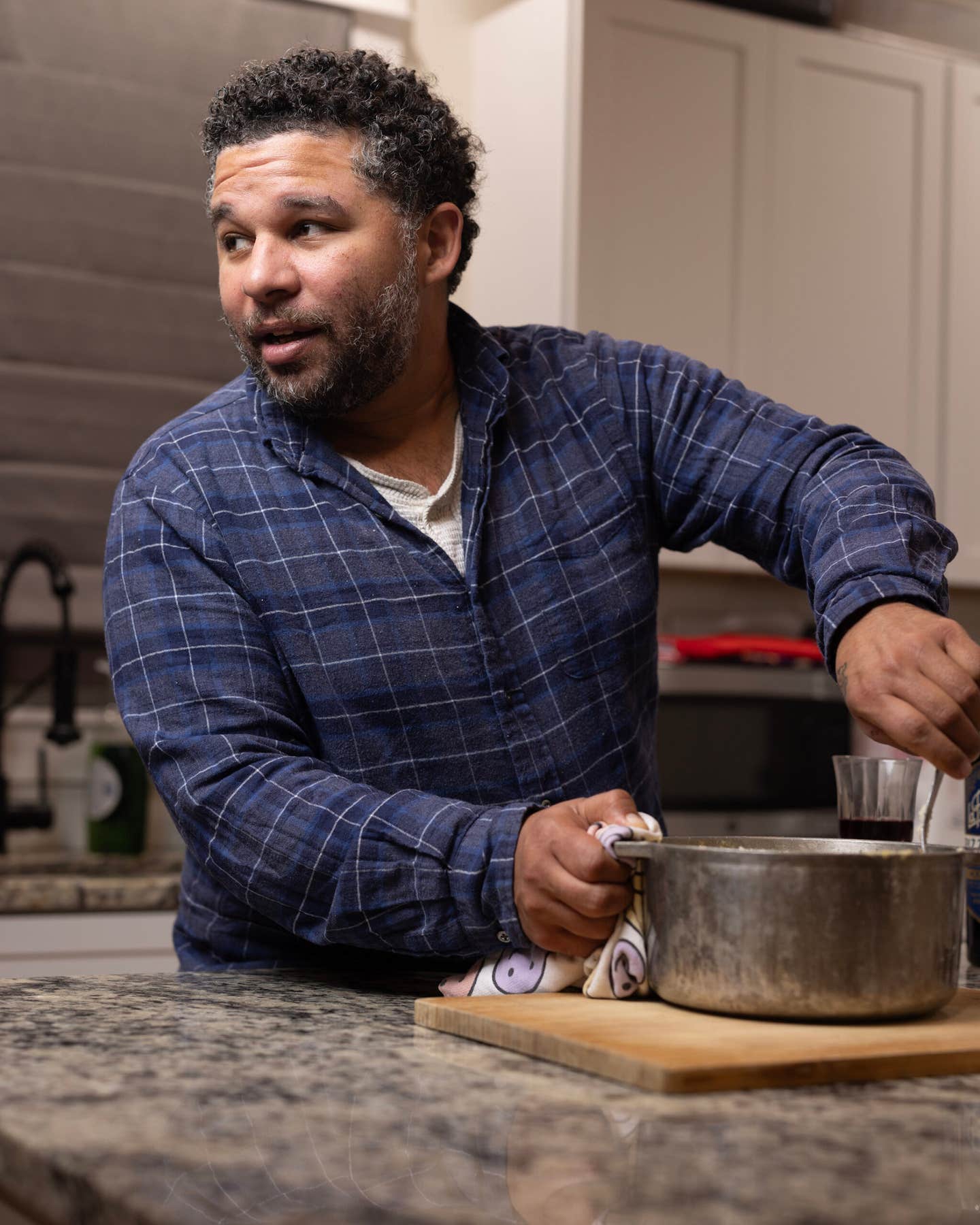
Chef Dominick Lee
L. Kasimu Harris

Also on the table is Lee’s handmade ­pandesal, an ode to Louisiana’s Bayou St. Malo, the United States’ first Filipino settlement. His cousin Anita Oubre, whose father is Nicaraguan, explains why she incorporates tamales into the réveillon dinners she shares with her husband and ­children. “It just isn’t Christmas until you’ve had the ­nacatamales.” For decades, she’s given these regional tamales, stuffed with pork, capers, green peas, rice, and potato, as gifts, cementing the recipe’s role in her family’s own culinary legacy. “Why not celebrate our uniqueness as much as we can?” she remarks. As we all grab our glasses of champagne for one last toast of the evening, the ­laughter that follows ensures we do just that. —Kayla Stewart
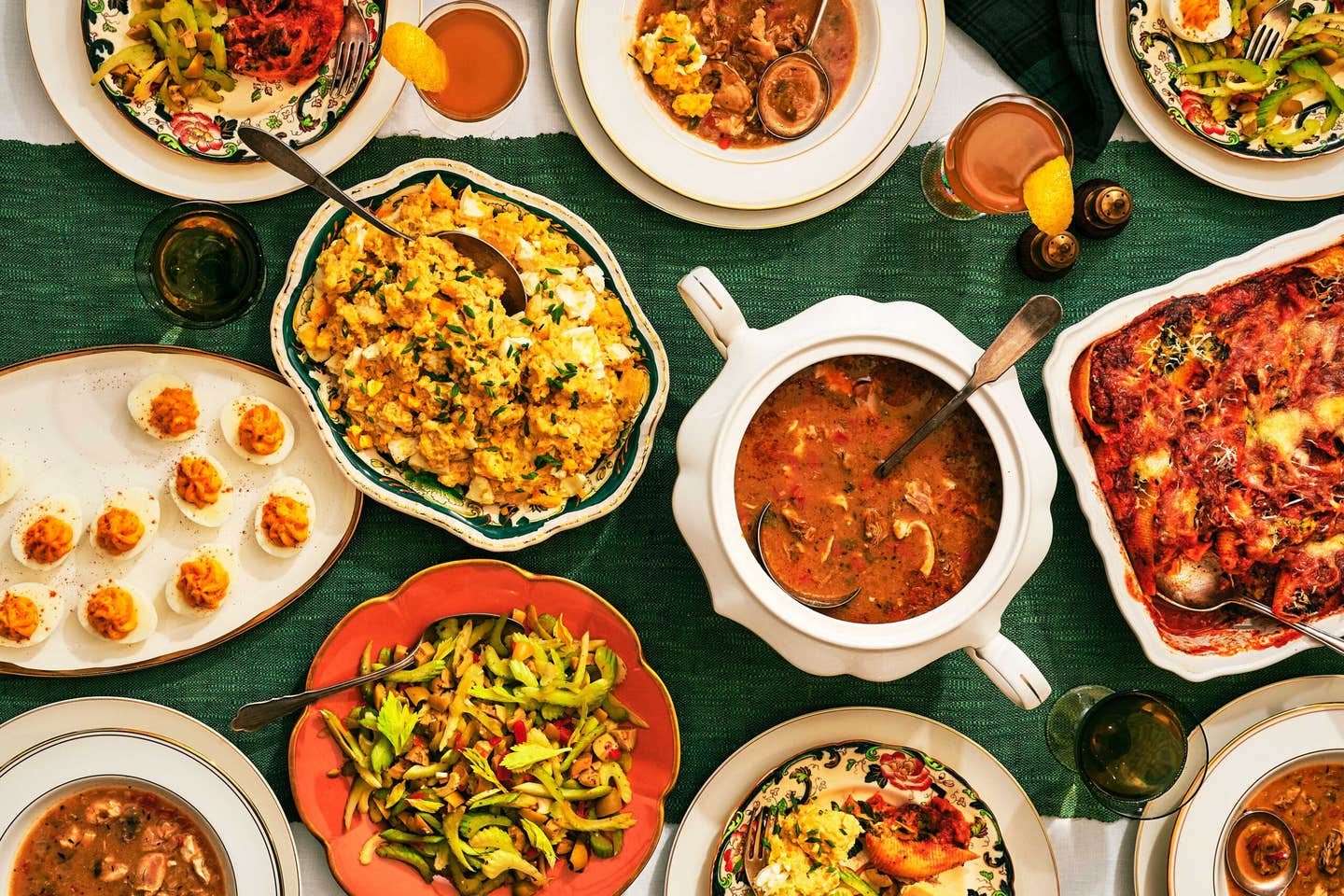
The New Orleans Menu:

Still Life Table Setting
Photo: Doaa Elkady • Food Styling: Jason Schreiber • Prop Styling: Paige Hicks

Continue to Next Story

Want more SAVEUR?

Get our favorite recipes, stories, and more delivered to your inbox.