Four Tips For Baking Better Cakes
For no-fail, sky-high layer cakes, like the fluffy Southern cakes from Ben Mims’ story Southern Dreams, there are a few simple rules to follow. These four tips will help you produce perfect cakes every time. See a collection of layer cake recipes »

Start with Cake Flour
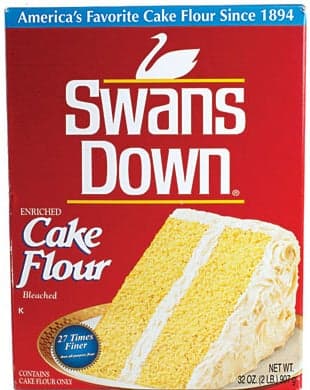
All-purpose flour isn’t really made for every purpose. For the best results when baking a cake, you need to use cake flour, a finely milled and typically bleached variety of flour made from soft winter wheat. With a lower content of gluten-producing proteins than in all-purpose flour–around 7 percent versus 10 percent to 12 percent–cake flour yields baked goods with a fine, soft texture. The bleaching process also raises the acidity of the batter, which allows the starch in the flour to absorb more moisture, further enhancing the cake’s tenderness. Although cake flour is readily available at grocery stores, in a pinch, you can substitute three-quarters of a cup of all-purpose flour mixed with two tablespoons of cornstarch for each cup of cake flour called for in the recipe.

Keep out the Cold
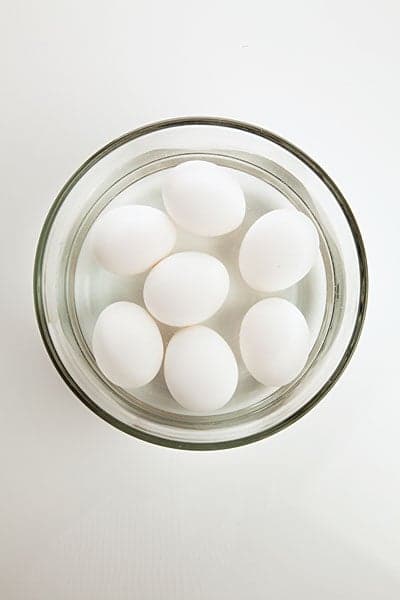
The key to a smooth batter is making sure the milk, butter, and eggs are at room temperature when you mix them into a cake batter. Chilled eggs and milk can harden softened butter when they’re mixed in, resulting in a curdled appearance. Whereas butter and milk can be microwaved to soften — a shortcut that works but is not ideal due to the risk of overheating — you can’t microwave the eggs without cooking them. Ideally, you should leave the eggs out overnight so that they can come to room temperature naturally. But if you are pressed for time, you can quickly warm up refrigerated eggs by placing them in a bowl of warm tap water. The cold eggs will cool the water right away, so drain the bowl and refill it with more warm tap water. Let the eggs sit in the water for about five minutes so that they reach the proper temperature before adding to the batter.
Just Beat It
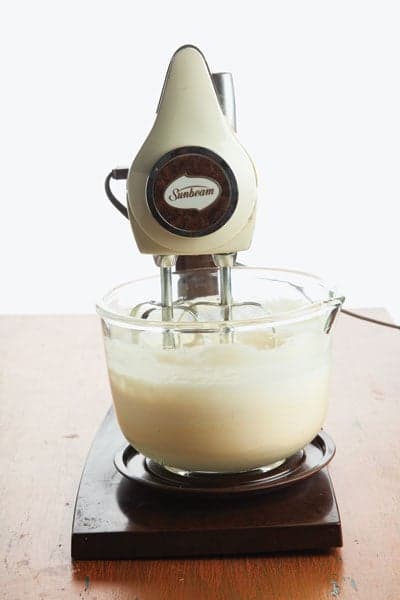
When it comes time to mix the ingredients, a bit of counter-intuition helps: Most home bakers learn not to beat their batter in order to prevent the formation of gluten, which leads to a tougher crumb. While this may be a concern when using all-purpose flour, cake batter is less prone to gluten production. And beating a cake batter for a short period of time actually helps smooth and aerate it. Once the batter is just mixed, beat it on high speed for five seconds. You will notice that it immediately transforms into a smooth emulsion, ensuring that the ingredients are evenly dispersed.
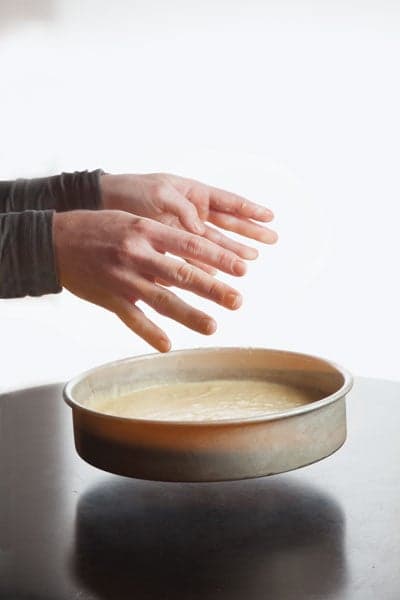
Finish with a Bang
Finally, most bakers dread the random air bubble that wreaks havoc on a sliced cake’s appearance. But this type of aesthetic imperfection can be avoided by dropping the pan on a countertop to burst any air bubbles. Once you pour your batter into the pan, smooth its top with a rubber spatula. Next, drop the pan from the height of about a foot onto countertop. The impact of the fall will force large air bubbles out and settle the batter into the pan, producing a more even shape. Only do this for cakes leavened with baking soda or baking powder, however; egg foam cakes, like genoise, need their air bubbles in order to rise.
Keep Reading






Continue to Next Story