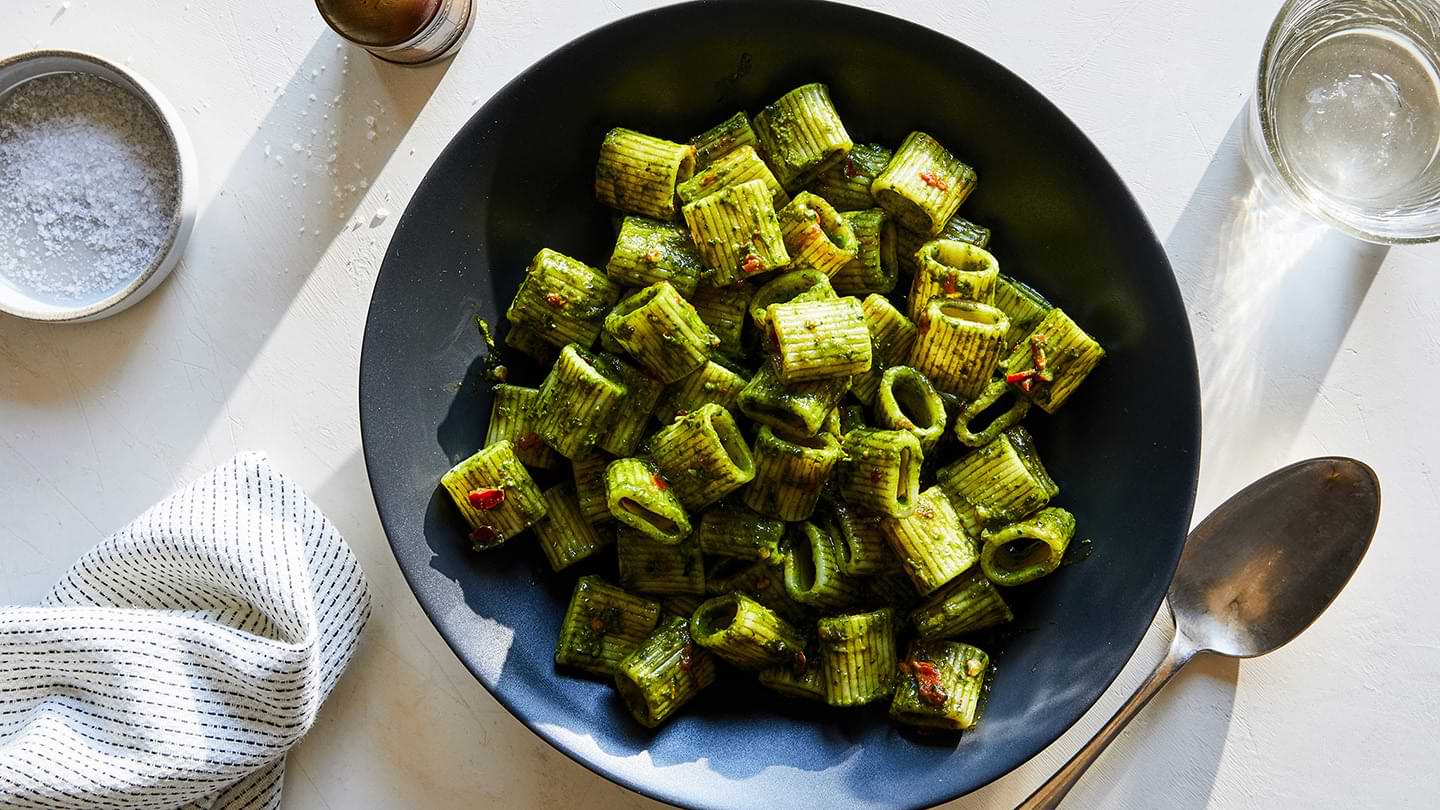
How Much Salt Is Too Much?
Experts weigh in on how the mineral impacts the gut, and chefs share how they use less of it without sacrificing flavor.

Welcome to Gut Check, our column dedicated to the complex, ever-evolving relationship between food and our bodies. Whether you’re curious about mindful eating or want to understand what makes picky eaters picky, read on and let award-winning journalist Betsy Andrews answer all your burning questions.
My aunt is an incurable junk food junkie. If she could, she’d eat peanut M&M’s for breakfast, Doritos for lunch, and frozen pizza for dinner every day. Despite her lifestyle choices, she’s 87 years old and somehow hanging in there—but she does have type 2 diabetes, cardiovascular disease, and mobility issues as a result. To stave off more trips to the hospital, the medical staff at her nursing home have put her on a low-sodium diet. One of the keys to this diet is a little blue-and-white packet I recently noticed on her dinner tray. It was an organic, sodium-free seasoning blend that my aunt declared to be “really good.”
I took her opinion with, well, a grain of salt. Then I tasted the stuff. Made up of assorted dehydrated whole foods (onions, garlic, carrot, tomato), spices, and citrus peel, along with citric acid and lemon oil for oomph, it tasted both tangy and deeply savory. I wouldn’t have minded it on roast chicken or fish. That little packet got me thinking: How often do I reach for the salt cellar when other flavorings might also enhance the food I’m cooking? What about my own junk food snacking? Or my professional habit of restaurant dining, where the food is seasoned for maximum pizzazz? Though I make most of my family’s meals at home, I still crave a bag of salty chips, and I certainly love to go out to eat. My blood pressure is normal. I’m in good health. But if salt is a problem for my heart-frail aunt, might it also be a problem for me?
I do not want to stop satisfying my palate. But with the World Health Organization, the Centers for Disease Control and Prevention (CDC), the American Medical Association, and popular media wringing hands over sodium excess in the human diet, I wondered: How can I be responsible with my salt intake and still enjoy food as much as I do? Looking into it, what I discovered is more complex—and more empowering—than the public anguish over sodium would lead us to believe.
Salt in the Body
It’s apparent that salt is part of our DNA. Just taste your tears as proof—we need the stuff to survive. Made up of sodium and chloride, it’s “the only rock we eat,” author Mark Kurlansky says in Salt: A World History. Both minerals are electrolytes; they carry the electrical charge that makes brain signals, nervous system functions, and muscle movement possible. They even support cardiovascular functions. “Sodium plays a central role in maintaining blood volume, and blood is the body’s primary delivery system for oxygen, nutrients, hormones, and immune cells,” notes Lauren Wallis-Dyer, a UK-based functional nutritionist specialising in whole-body digestive and metabolic health.
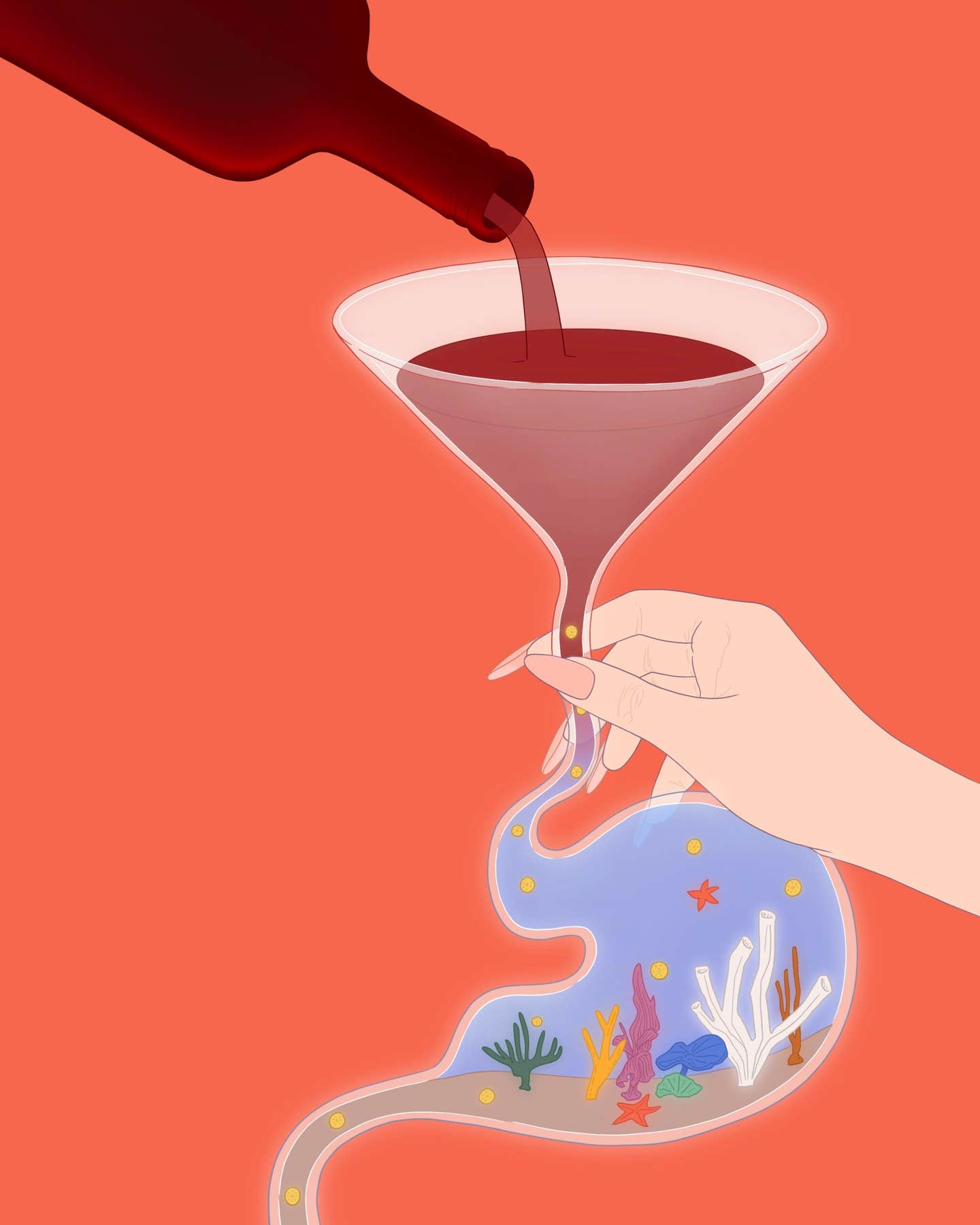
These minerals start their work in our guts. “Physiologically, salt plays a central role from the very first moments of eating. Its presence helps signal that a meal has arrived, priming digestive responses before food even reaches the stomach,” says Wallis-Dyer. Once there, both sodium and chloride help produce stomach acid, which breaks down proteins into nutrients and combats harmful microbes. “Sodium also supports bile flow and pancreatic enzyme release, helping fats emulsify and nutrients become absorbable.” It helps move glucose and amino acids from the gut to the rest of the body where they’re needed.
But a little salt goes a long way. The federal Dietary Guidelines for Americans recommend a maximum daily sodium intake of 2,300 milligrams (roughly 1 teaspoon), while the American Heart Association’s optimal limit is just 1,500 milligrams (less than ⅔ teaspoon) per day. The average American, on the other hand, consumes nearly 50 percent more than the daily recommendation, with 3,400 milligrams (roughly 1⅓ teaspoons) of sodium each day.
The CDC would like us to decrease our sodium intake because excess sodium is linked to hypertension, and heart disease and strokes are the top killers of Americans. Numerous studies have shown a connection between high-salt diets and gut dysbiosis, an imbalance of microorganisms that can lead to inflammation, leaky gut, high blood pressure, and cardiovascular disease. Conversely, research reveals that if you lower your sodium intake, your microbiome can produce more of the short-chain fatty acids that decrease inflammation, regulate your immune system, and lower your blood pressure. One study found that if humans cut a third of the sodium from our diets, we’d save 40 million lives worldwide over the next quarter century.
Salt in the Supermarket
When it comes to salt, we’ve been getting too much of a good thing. That’s on account of the way we eat now. “For most of human history, salt was inseparable from the work of cooking: preserving, fermenting, seasoning, and making food both digestible and sustaining,” Wallis-Dyer notes. Long-simmered broths, cured proteins and vegetables, fermented foods—“In these settings,” she says, “salt was consumed alongside water, fiber, protein, and trace minerals, embedded in meals that required chewing, cooking, and time, allowing the body to recognize and handle sodium within a broader sensory and nutritional landscape.”
Industrialization changed that as we lost our connection to cooking and turned to manufactured meals. A pivotal 2017 study found that 71 percent of the sodium in our diets comes from commercially prepared food—either ultra-processed or prepared in a restaurant. Ultra-processed foods are those that contain one or more ingredients not otherwise found in kitchens, like chemical additives and preservatives. More than half our calories come from these products, which make up a whopping 73 percent of the American food supply today.
“In processed foods, they are adding a lot of extra sodium as a preservative. That is what becomes the problem,” says Ashli Greenwald, an advanced practice dietitian at Johns Hopkins Bayview Medical Center. “It’s not just the sodium amount but the overall makeup…I see a lot of diseases you’d expect in older people occurring in young people, and I think that the Western diet, which is super processed and super high in sodium, is causing a lot of these problems.”
To combat the ultra-processed deluge, ideally you’re doing more cooking at home, says Greenwald. If convenience is important, Greenwald suggests relying on frozen fruits and vegetables, which are lower in sodium than canned ones. Still, ingredients can be sneakily processed. Private chef Danielle Turner, who launched Salt Sanity: Your Guide to Living and Loving Your Low-Sodium Life after her husband’s heart failure, says, “My first trip to the grocery store after his diagnosis, I almost wanted to cry. I realized the convenience foods we relied on—ketchup, mustard, tomato sauce—were full of salt.”
Turner advises “sticking to the perimeter of the store, where the fresh products often are, because they are lower in sodium.” A good rule of thumb is looking for foods with no labels on them. But generally, reading labels is crucial when you’re aiming for a low-sodium diet, and Turner says, “There are lower and reduced sodium options for many of the things we eat regularly.”
The tactic doesn’t work for every ingredient. For example, regular soy sauce clocks in at 1,000 milligrams per tablespoon, but the reduced stuff still has 600 to 700 milligrams per. Turner swaps soy sauce for coconut aminos, which contain less than half the sodium. “It’s a great substitute. We can make fried rice with the same flavor.” A better label overall, she says, is “no salt added.” The computer in your pocket can help, too. Initial studies have found that smartphone apps like Noom work well to accurately track the sodium in your shopping cart.
Salt in the Kitchen
Speaking with Turner had me thinking about the ways that pros like her season their food. “In our kitchen and classrooms, we teach students that salt is not the enemy,” says chef Roshara Sanders, assistant professor at the Culinary Institute of America (CIA) and chef ambassador for Red Rooster Harlem. It draws out moisture, intensifies natural aromas, and coaxes forth the nuances in other seasonings. “When used thoughtfully and respectfully, salt is fundamental to both flavor development and good cooking,” Sanders says.
Yet, restaurant chefs get a bad rap for abusing it. Michael Anthony, the executive chef of Manhattan’s Gramercy Tavern, says that’s a function of cooking during service. “Cooks lose track of what it feels like to eat an entire dish from start to finish, and when you compound that by multiple courses, sometimes professional chefs underestimate the impact salt has on a meal.”
“It’s a lot of training for sous chefs and line cooks to get them out of the habit of just throwing the salt on,” says Dr. Connie Guttersen. A registered dietitian and the author of The Sonoma Diet, Guttersen developed one of the first curricula to incorporate nutrition into culinary arts at the CIA at Greystone. “I have friends who own a steakhouse, and the minute that steak comes off the line, they hit it with salt—after they have already salted it to cook it.”
Her advice to diners? “Just say, ‘Can you go light on the salt?’ or, ‘Can you please not add any finishing salt?’” Luckily, that’s getting easier. “With the explosion of world flavors in restaurants—Mediterranean, Asian, Latin American—we have a broader flavor map to explore different ways of eating that don’t just rely on salt.”
When I reached out to restaurant chefs, they had loads of advice for paring down the sodium. “Often, when you feel your food is underseasoned, it’s just lacking balance,” says chef Telly Justice of New York City’s HAGS. “Brining in acid for brightness, umami for satiation, fats for luxuriousness and mouthfeel, natural salinity from ingredients like seaweed, and seasoning from quality spices all make a huge difference in the amount of salt you use.”
Ham El-Waylly, executive chef of Brooklyn’s Strange Delight and author of forthcoming Hello, Home Cooking, seasons foods with miso and bouillon powder that “add other layers of flavor, like savory notes, that help round out the final dish.” Kevin Garrison, executive chef at Sushi Kujo in Brooklyn, makes use of chile peppers, their capsaicin stimulating the tastebuds and heightening the perception of flavor and aroma without added salt. And wasabi, he says, can act like salt in releasing terpenes—aroma compounds—from fats.
For Heena Patel, chef and co-owner of San Francisco’s Besharam, it’s all about maximizing aromas. “Vaghar, or tempering—blooming mustard seeds, curry leaves, garlic, chilies, or hing (a savory, pungent spice) in hot oil—builds depth before salt ever shows up. When spices are properly bloomed, you simply need less of everything else,” she tells me.
“Salt was never meant to function as an abstract metric,” says Wallis-Dyer. “If someone’s diet is dominated by packaged or restaurant food, advice to reduce salt often really means improving overall food quality, which is usually a sensible shift. But for people who cook most of their meals at home and rely on minimally processed ingredients, the picture looks very different. In that context, seasoning food normally with a natural, mineral-rich salt is not excessive. It is part of making meals satisfying, digestible, and nourishing.”
For my aunt, what’s nourishing is a little blue-and-white packet that can season her food without causing her overtaxed system more harm. For me, unless the doctors one day tell me otherwise, it’s a bit of coarse-ground rock from my salt cellar—just enough to make my food pop. “Salt can be used judiciously. You add a little bit as you go and taste the food that you’re making,” as Michael Anthony puts it. “That’s the responsibility of a good chef and a good home cook.”
Keep Reading


Continue to Next Story