Our Editors’ Most-Loved Cookbooks of 2025
These are our favorite picks of the year, with recipes we’re making again and again.

It may not come as a surprise that our team of print magazine editors and contributors are also avid cookbook collectors. Between the colorful covers, spectacular photography, and the satisfying heft, we simply can’t get enough. As long as new cookbooks keep coming into the world, we will continue making space on our bookshelves (or building new ones if necessary) to grow our home libraries.
In fact, we even published a book of our own this year: Twelve Holiday Cakes, a limited-edition collection of a dozen beloved cake recipes sourced from some of the finest bakers and pastry chefs working today. It’s our small contribution to what has been a tremendous year for cookbooks overall, covering everything from a deep dive into Pakistani cuisine to a cross-country exploration of American steakhouse culture.
Here are our team’s most-returned-to books of 2025, with the recipes we’re excited to make again and again.
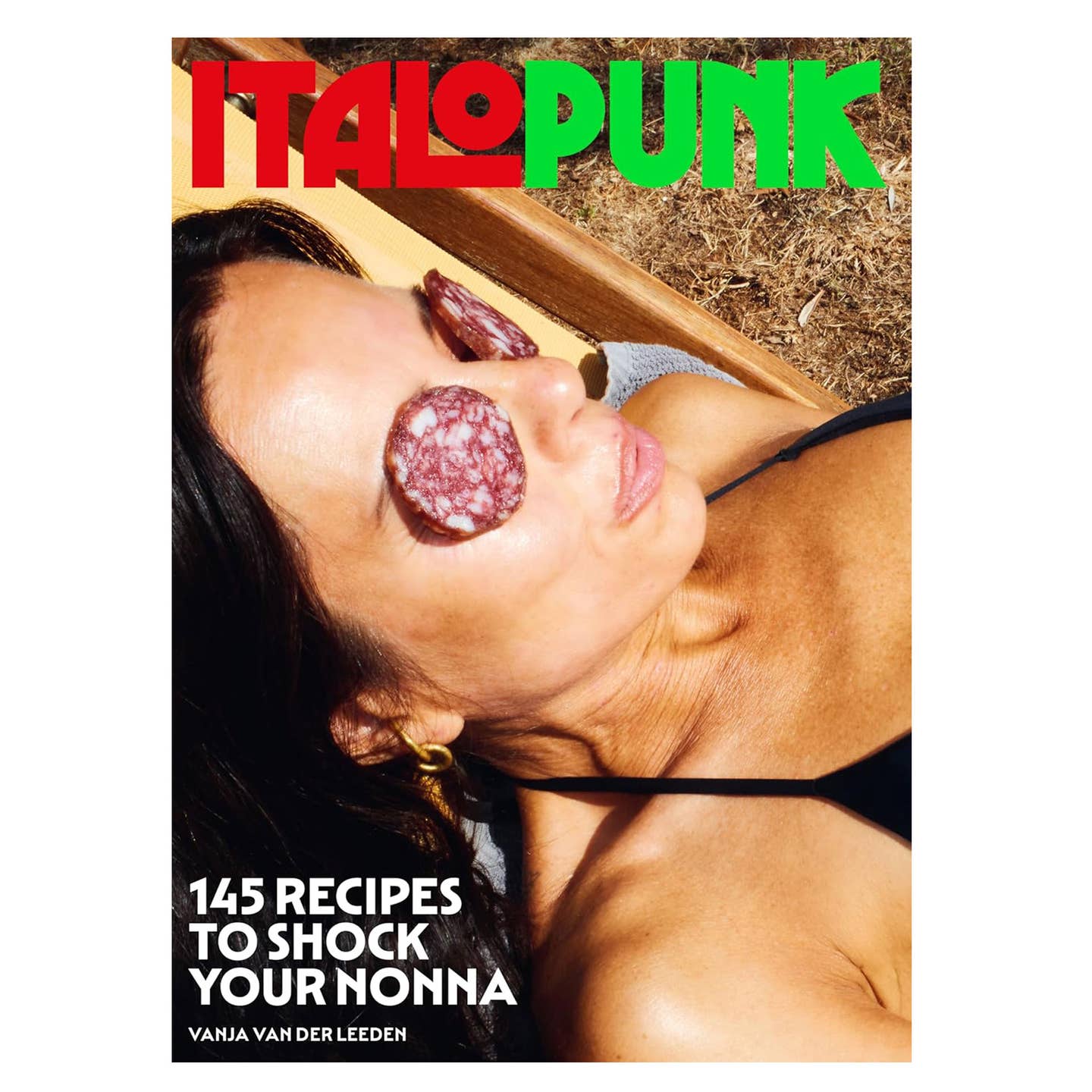

When Vanja van der Leeden, the unspeakably cool Dutch Indonesian chef and writer who penned our deep-dive into satay, gave me the heads up that her latest cookbook would be translated into English, I jumped to attention. Her 2019 cookbook Indorock, a modern take on Indonesian cuisine, won the Gouden Kookboek prize for best Dutch-language cookbook, and I knew her updated take on classic recipes and vibrant aesthetic would be ripe to thrill cooks and readers here in the States. This book is an expression of van der Leeden’s lifelong love affair with Italy and is loaded with a combination of reported dishes and her own inventions, primarily inspired by Italian “new-trattorias”—casual restaurants where, she writes, “chefs cook in new ways, with respect for tradition and with contemporary techniques.” Italopunk is full of irreverent riffs—think Genovese-inspired vegetarian pasta sauce made from caramelized onions and miso, sauerkraut and potato-filled triangoli with creamy parmesan and pancetta, and crispy fried mozzarella sandwiches topped with zippy chimichurri—perfect for home cooks who like to mix up their regular rotation. —Kat Craddock, Editor-in-Chief and CEO
Recipes to try: Mozza in Carrozza Con Chimichurri (p. 42), Triangoli Con Sauerkraut (p. 86), Mezze Maniche Con Ragù di Cipolle (p. 111)


A first of its kind, Maryam Jillani’s heartfelt cookbook Pakistan covers the country’s regional cuisine in this sweeping, eye-opening collection of recipes. Each dish tells a story and each photograph captures a feeling and a moment where the food speaks for itself and transports you to an auntie’s kitchen or a street vendor in Karachi. It’s also a great introduction for anyone who’s never had Pakistani food before. As a Pakistani myself, having this book helps me bridge the food of my family and the food I can now share with my friends and colleagues in the West. —Fatima Khawaja, Contributing Editor
Recipes to try: Kadhi Pakora (p. 103), Chicken Karahi (p. 159)
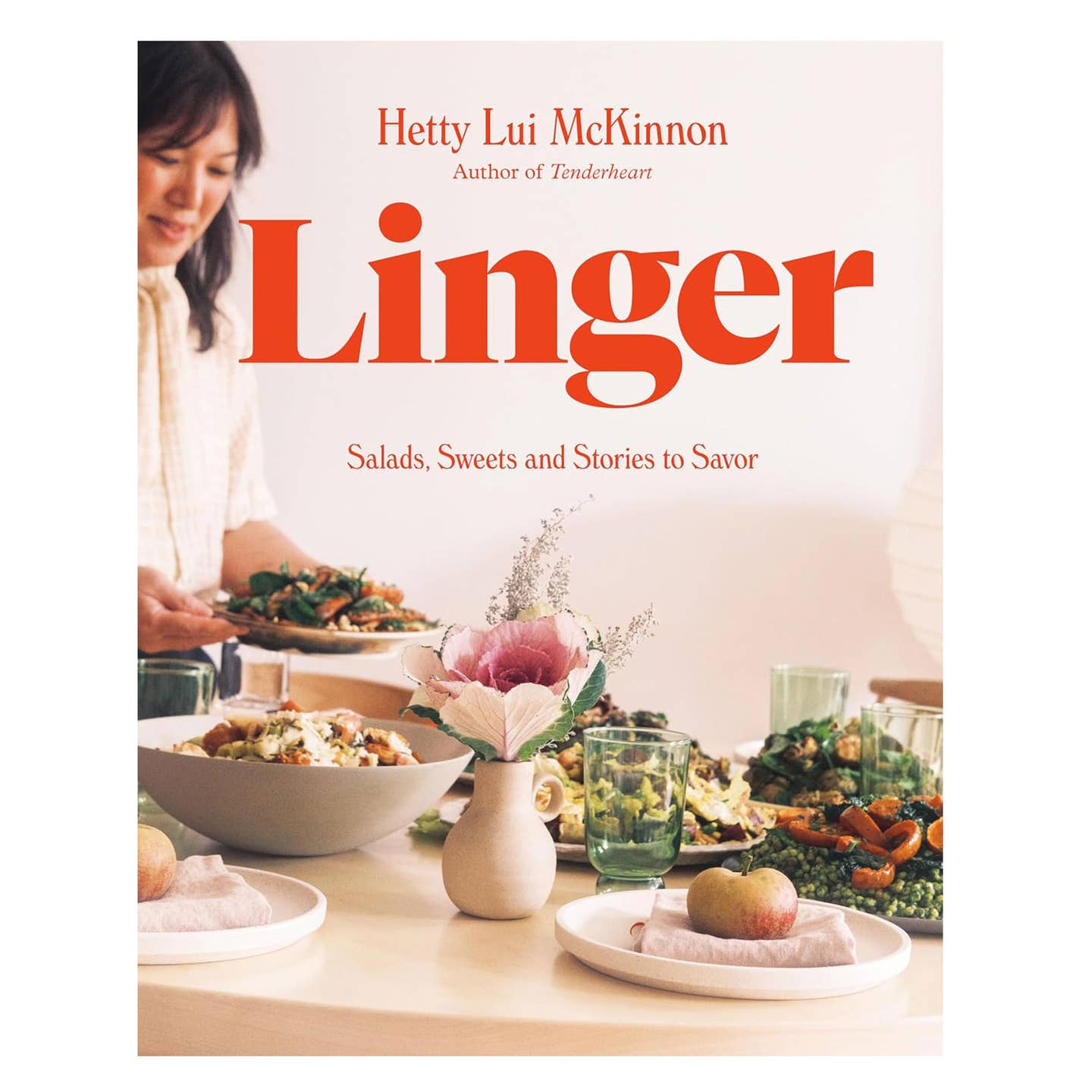

After making author Hetty Lui McKinnon’s ingenious tomato dumpling salad nonstop this summer, I was chomping at the bit to get my hands on her latest cookbook, which happens to be all about salads. McKinnon’s culinary journey started with a salad delivery business back in her native Sydney, and salads are what led her to fall deeper in love with “the act of sharing food with others.” They’re still how she connects with her community in her adopted hometown of New York City, where she hosts gatherings and encourages guests to—you guessed it—linger. The brilliance of her recipes is that she often takes beloved foods—Korean jjajangmyeon, French onion soup, Sichuan mapo tofu, just to name a few in Linger—that I never dreamed could work as a salad and reimagines them, building layers of flavors and weaving in textures in a way that still captures the essence of why I was craving that dish in the first place. I know I’ll be mixing and matching salads from her thoughtful yet not prescriptive menus (with plenty of inspired dessert ideas—the one course I would prefer not to be a salad!) for my own feasts for years to come. —Frances Kim, Digital Director
Recipes to try: Mushroom and Black Bean Sauce Noodles with Turmeric Daikon Pickles (p. 56), Mapo Tofu Salad (p. 88), Hong Kong Milk Tea Tres Leches (p. 124), French Onion Salad (p. 234)
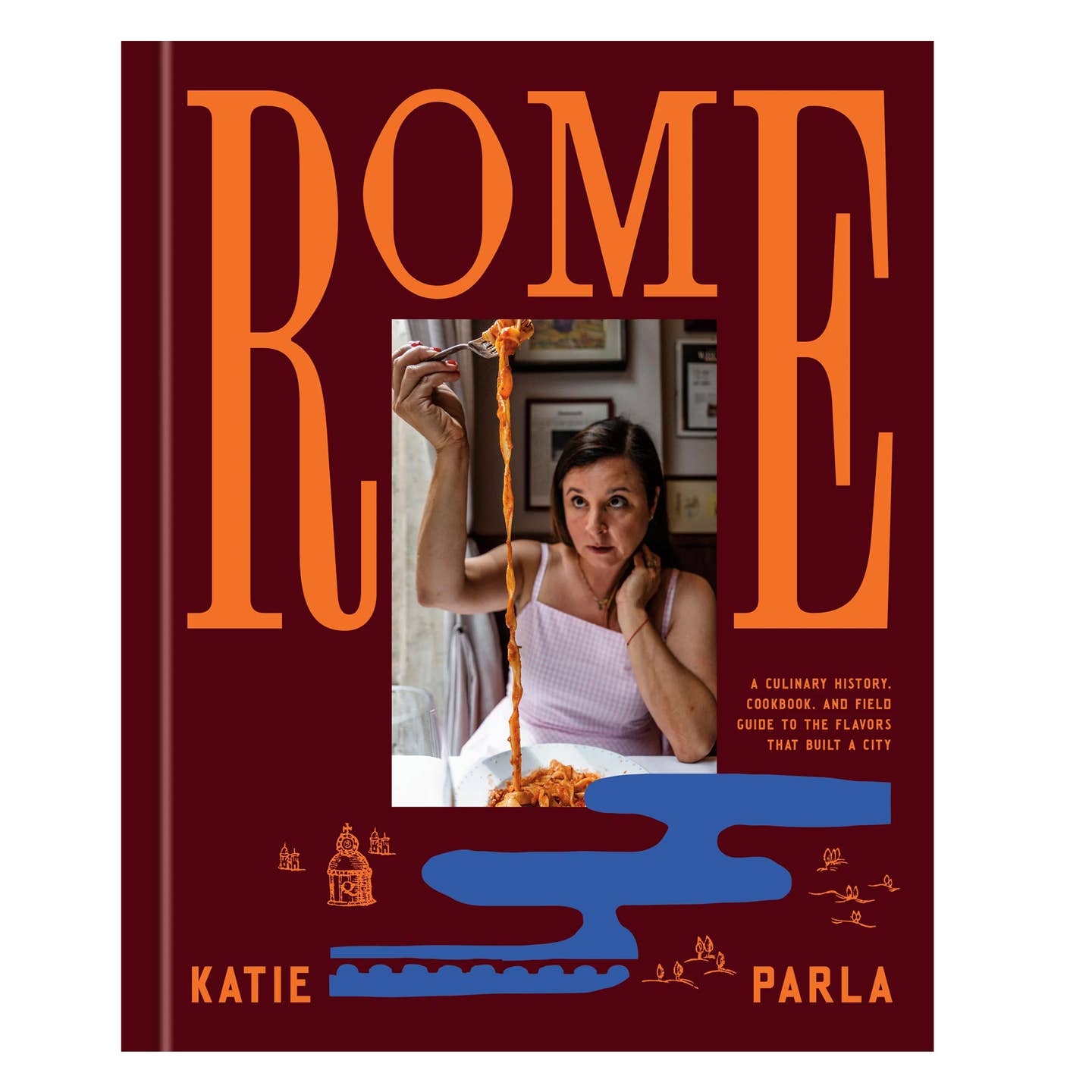

Katie Parla is back with a new release highlighting the history and recipes of the Italian capital she’s called home for decades. I love that this book is as much about the history of the Roman Empire (and by extension, much of the world) as it is about the recipes that have endured. Rome dives into how conquest, trade, religion, and migration shaped what we know as Roman cuisine today, blending historical context with cultural anecdotes, beautiful photography and illustrations, and recipes that bring millenia of culinary history to life. —Ryan McCarthy, Assistant Editor
Recipes to try: Seppie Con Piselli in Umido (p. 174), Pomodori Ripieni di Riso (p. 215), Puntarelle alla Romana (p. 226)
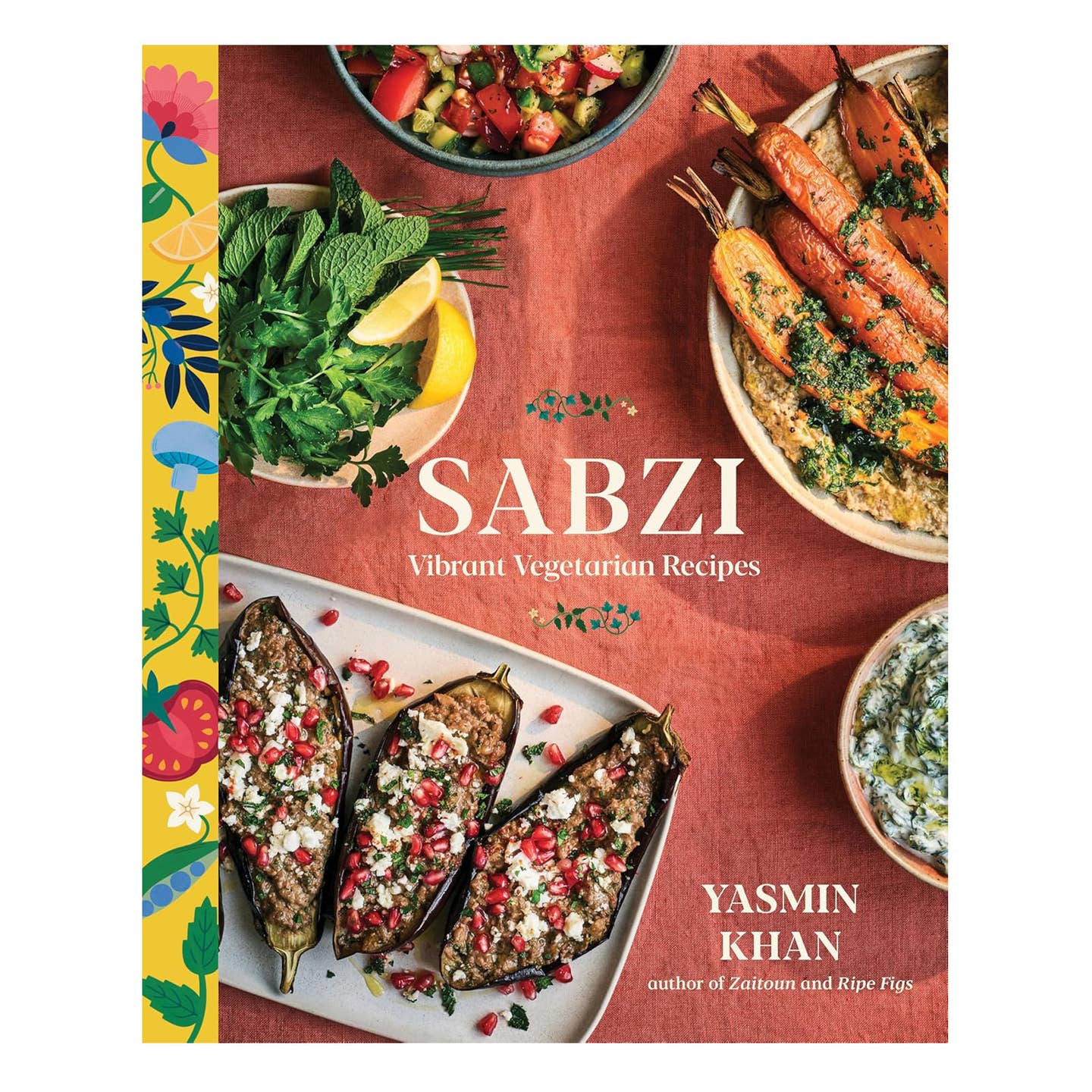

Award-winning food and travel writer Yasmin Khan’s fourth cookbook, Sabzi, is a compilation of vegetable-forward recipes inspired by her travels around the world. In it, you’ll find a vegetarian version of the classic Iranian dish ghormeh sabzi made with mushrooms instead of beef or lamb, or Turkish köfte made with lentils instead of ground meat. The dishes that make up this book are simple and straightforward—some I can easily whip up in the middle of the week, some might take a little more time, and some satisfy my sweet tooth, like the spiced carrot cake. I’m always trying to get more vegetables into my meals. Since getting this book, I’m turning toward it regularly to help me do just that. —Farideh Sadeghin, Contributing Editor
Recipes to try: Fennel, Avocado, and Pistachio Salad (p. 61), Spicy Tomatoes With Walnuts and Pomegranates (p. 73), Mung Bean, Spinach, and Tomato Daal (p. 175), Dark Chocolate and Dried Lime Tart (p. 210)
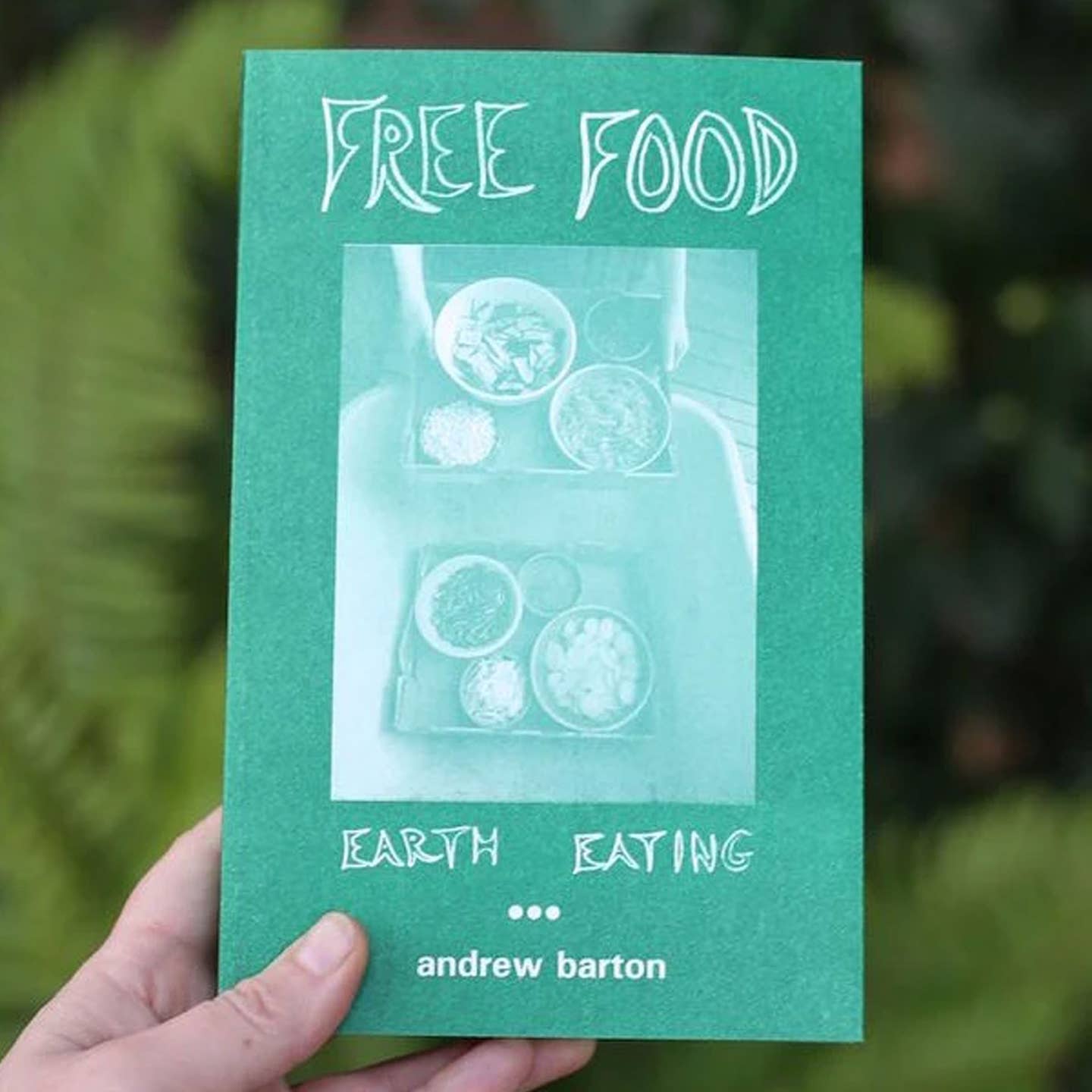

From Oregon-based celery evangelist and supper club impresario Andrew Barton’s Nickel Dinner series, Free Food is a hippie throwback homage to alternative lifestyle bibles like The Foxfire Book and Moosewood. Or as Barton writes, “A counterculture cookbook for these strange times.” Having grown up eating meals prepared by my crunchy granola-baking mother, it’s reassuring to know that food co-ops and back-to-earth communes still have relevance. All hail Euell Gibbons. (IYKYK. If you don’t, look him up.) —Shane Mitchell, Editor at Large
Recipes to try: Tom Tamari Tofu (p. 161), Deluxe Noodles With Tempeh, Eggplant, and Fava Beans (p. 282)
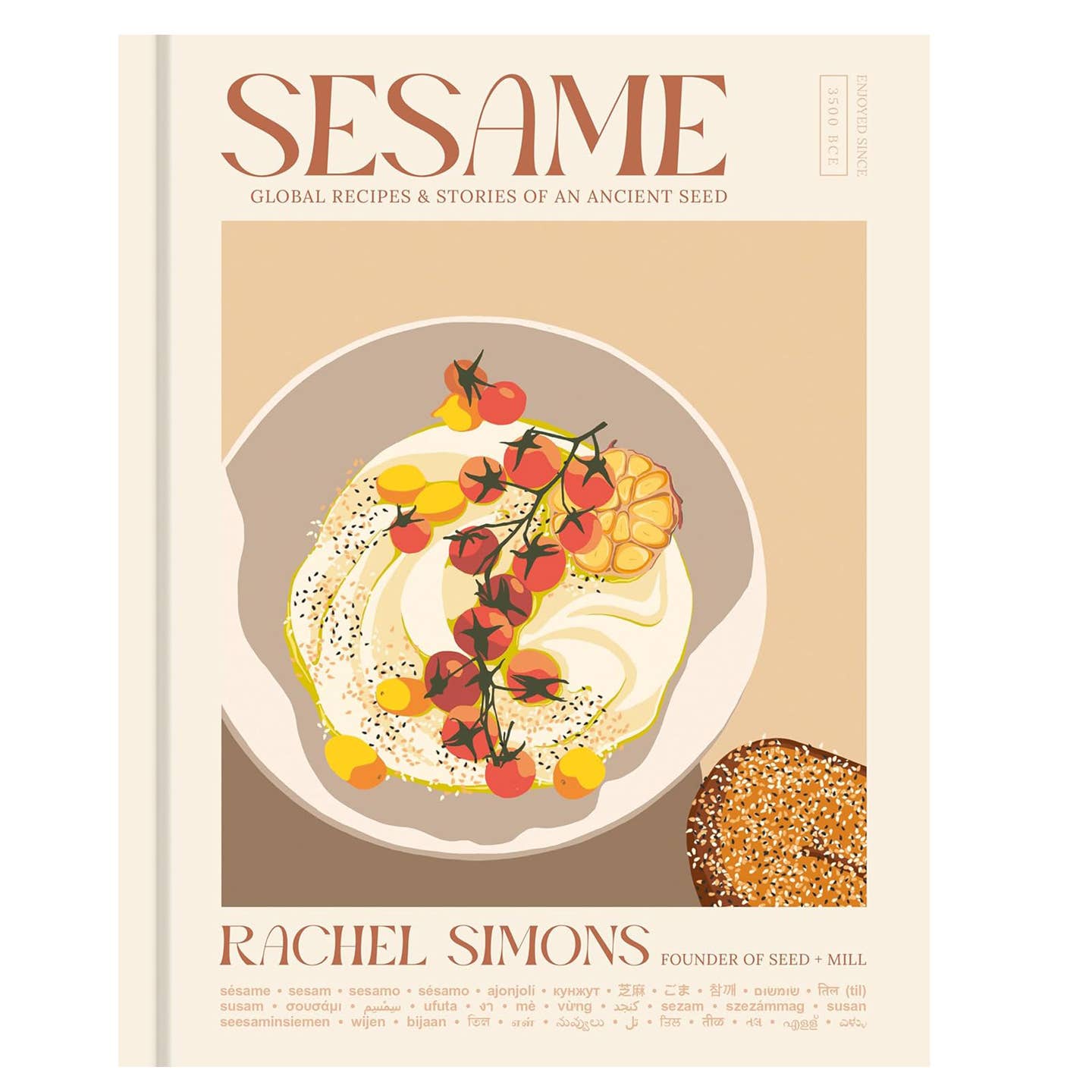

From Rachel Simons—cofounder of Seed + Mill, a N.Y.C.-based producer of artisanal tahini and halva—comes Sesame, a celebration of this versatile ingredient in all its forms: seeds, oil, and tahini. Filled with sweet and savory recipes inspired by cuisines around the world, this book invites you to incorporate sesame into your daily diet in everything from breakfast smoothies and baked goods to salads, seasonings, snacks, mains, and dessert. Being a bit of a tahini fanatic myself, I can’t wait to expand my sesame repertoire. —Rebecca Fisher, Recipe Editor
Recipes to try: Sweet and Salty Sesame Challah (p. 40), Japanese Cabbage Salad With Creamy Miso Sauce (p. 106), Tahini-Swirled Pavlova With Summer Fruit and Halva (p. 185)
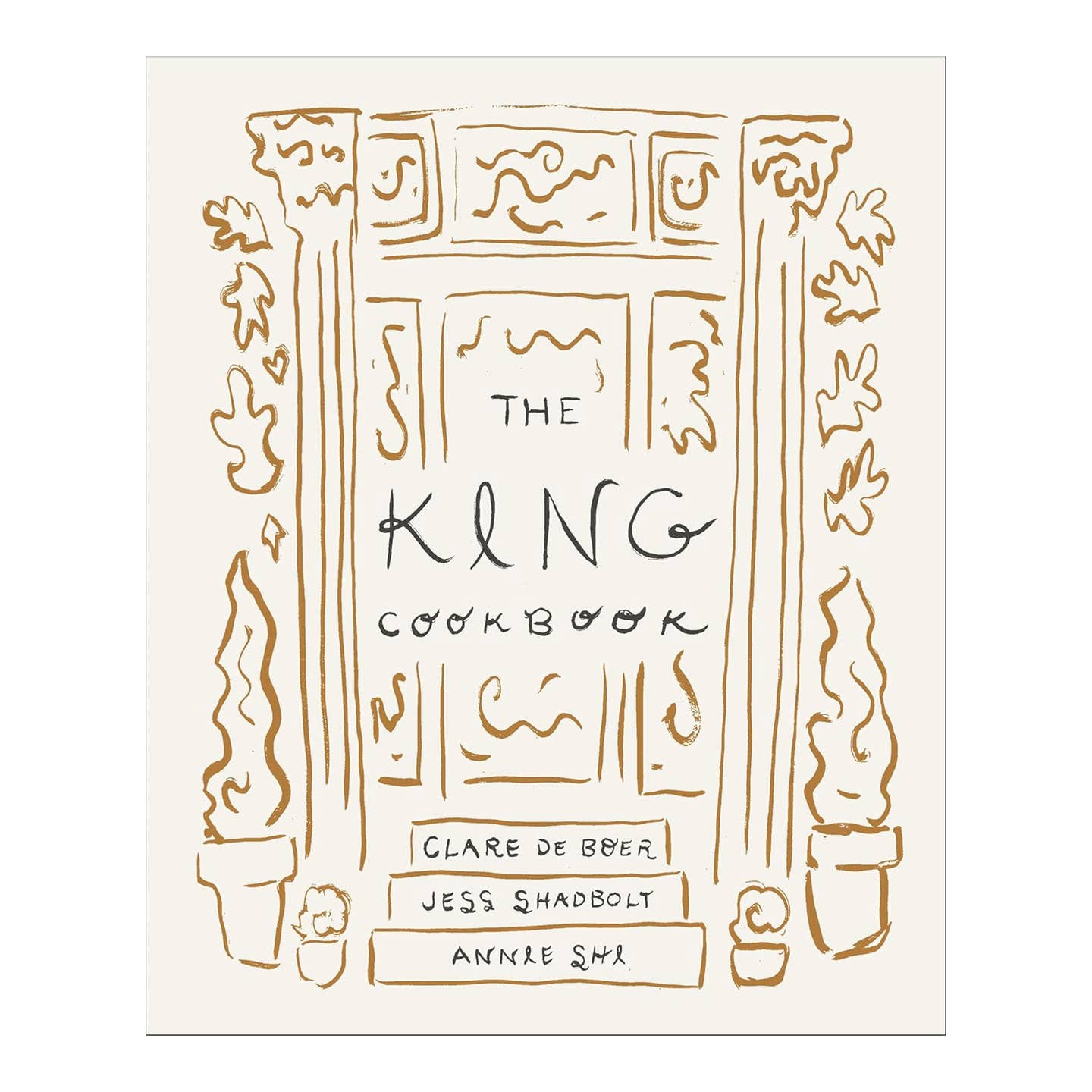

I may not have a home close enough to New York City to regularly dine at SoHo’s celebrated King restaurant, but at least now there is The King Cookbook. This collection of more than 120 bright, simple, and elegant recipes by James Beard Award winners and chef-owners Clare de Boer, Jessica Shadbolt, and Annie Shi, honors the food and wine of Italy and Southern France. The restaurant’s menu changes daily, but the one thing that never changes is the melt-in-your-mouth panisse: rich and olive-oily chickpea ribbons that serve as King’s signature starter. My thrill of 2025—which I still dream of daily—was a perfect bite of that panisse coupled with a sprinkling of salt and sage on a warm summer evening. How was it so heavenly? So crispy and also fluffy? Thankfully, the recipe on p. 70 tells all. —Stephanie Pancratz, Managing Director, Editorial Operations
Recipes to try: Celeriac and Chestnut Ravioli With Sage, Butter, and Prosciutto (p. 161), Honeynut Squash Gratin (p. 189), Clafoutis (p. 327)
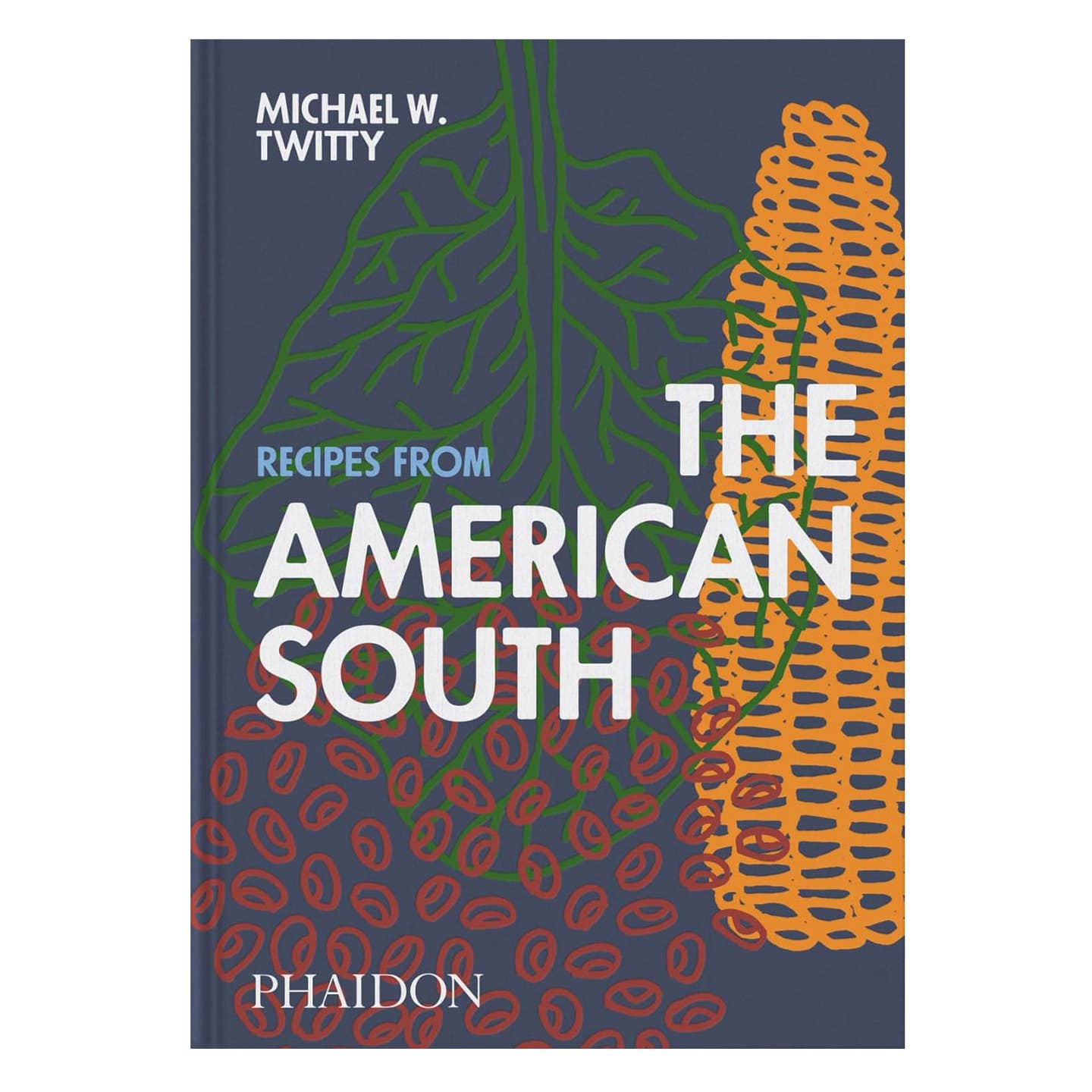

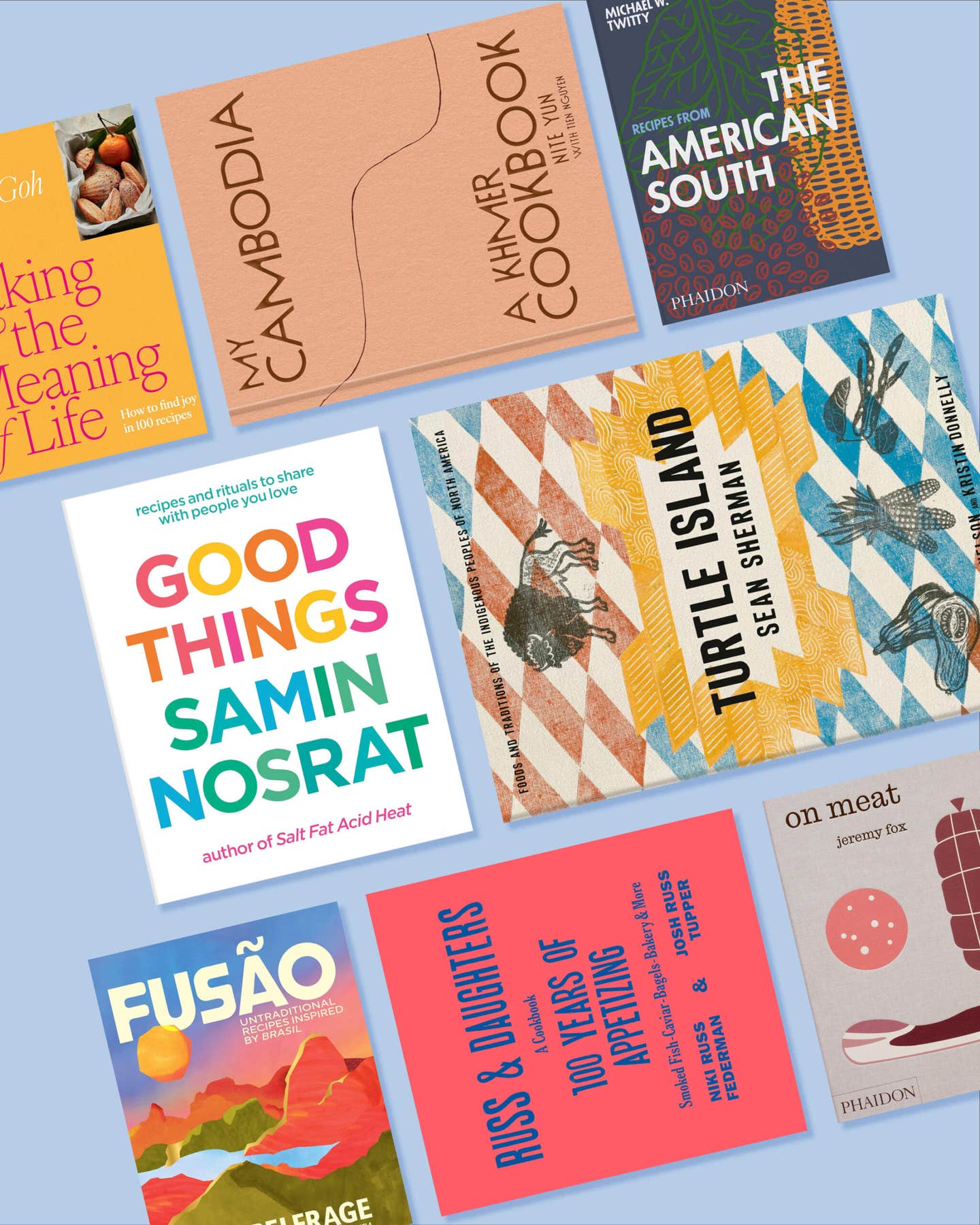
Expansive and beautifully designed, Recipes From the American South is a classic in the making. Michael W. Twitty, author of James Beard Award-winning The Cooking Gene, pairs lush photography with more than 260 meticulously crafted recipes, weaving a portrait of Southern cuisine that’s as elegant as it is heartfelt. For the discerning cook or collector, this is a gift that feels genuinely special—beautiful to unwrap, even better to cook from. —Toni-Ann Gardiner, Brand Partnerships
Recipes to try: Carolina Pilau (p. 211), Muscadine Grape Hull Pie (p. 366)
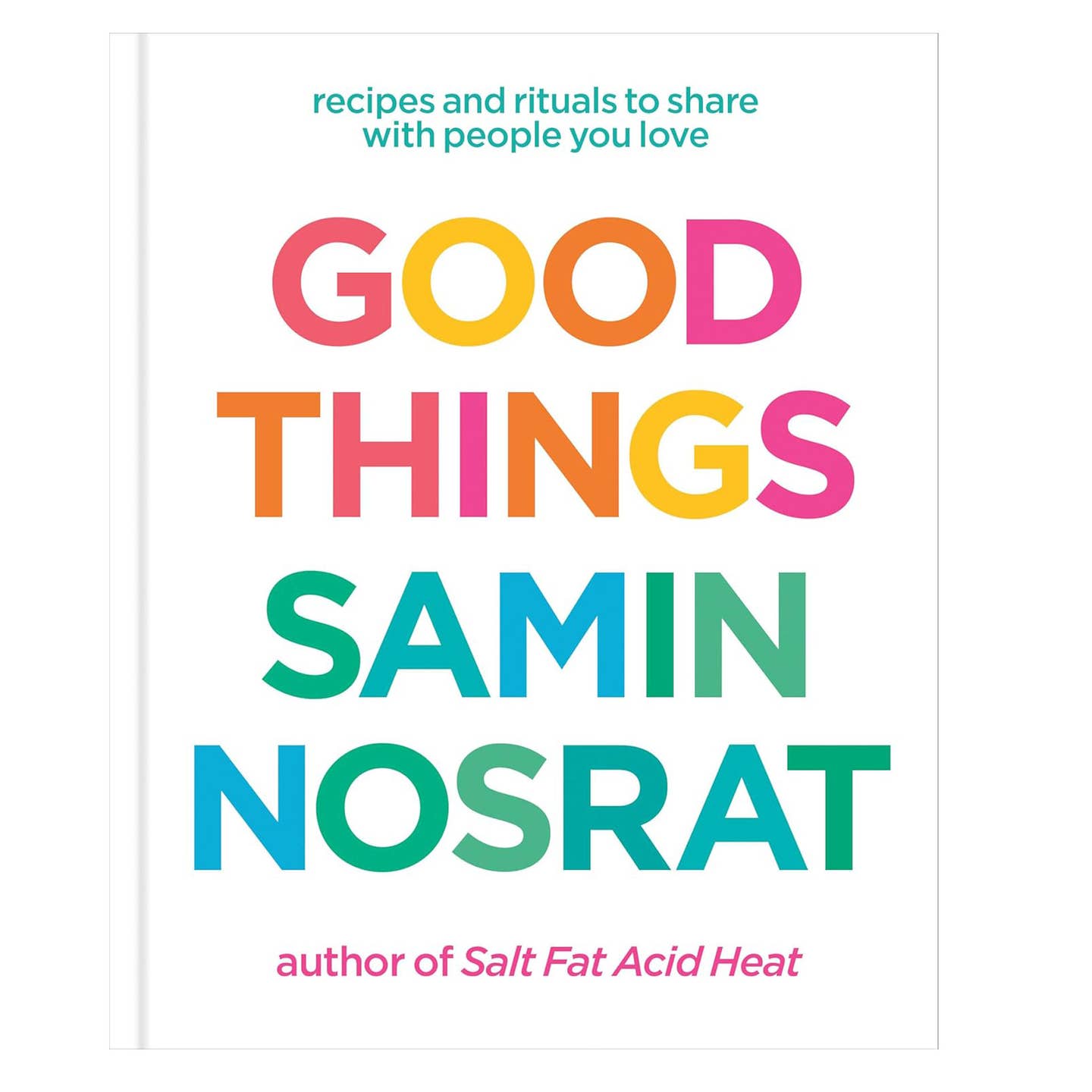

When Salt, Fat, Acid, Heat was published in 2017, Samin Nosrat shared with the world an intuitive style of cooking that relied less on recipes than on those four key elements of flavor. Eight years later with Good Things, she’s revised her approach a bit, sharing some of her favorite recipes for entertaining but keeping the format loose enough to be inviting to folks who lean heavily on experimentation in the kitchen. (Just look at the Roasted Vegetable Salad Matrix on p. 272 or the Summer Salad Matrix on p. 214.) Many of the “recipes” are more like strong suggestions, with plenty of room to play around, while others are spot-on Samin classics that she’s perfected over the years. —Alex Testere, Senior Editor
Recipes to try: Fava’s Caesar (p. 128), Stewed Clams With Tomatoes and Saffron (p. 185), Sky-High Focaccia (p. 372)
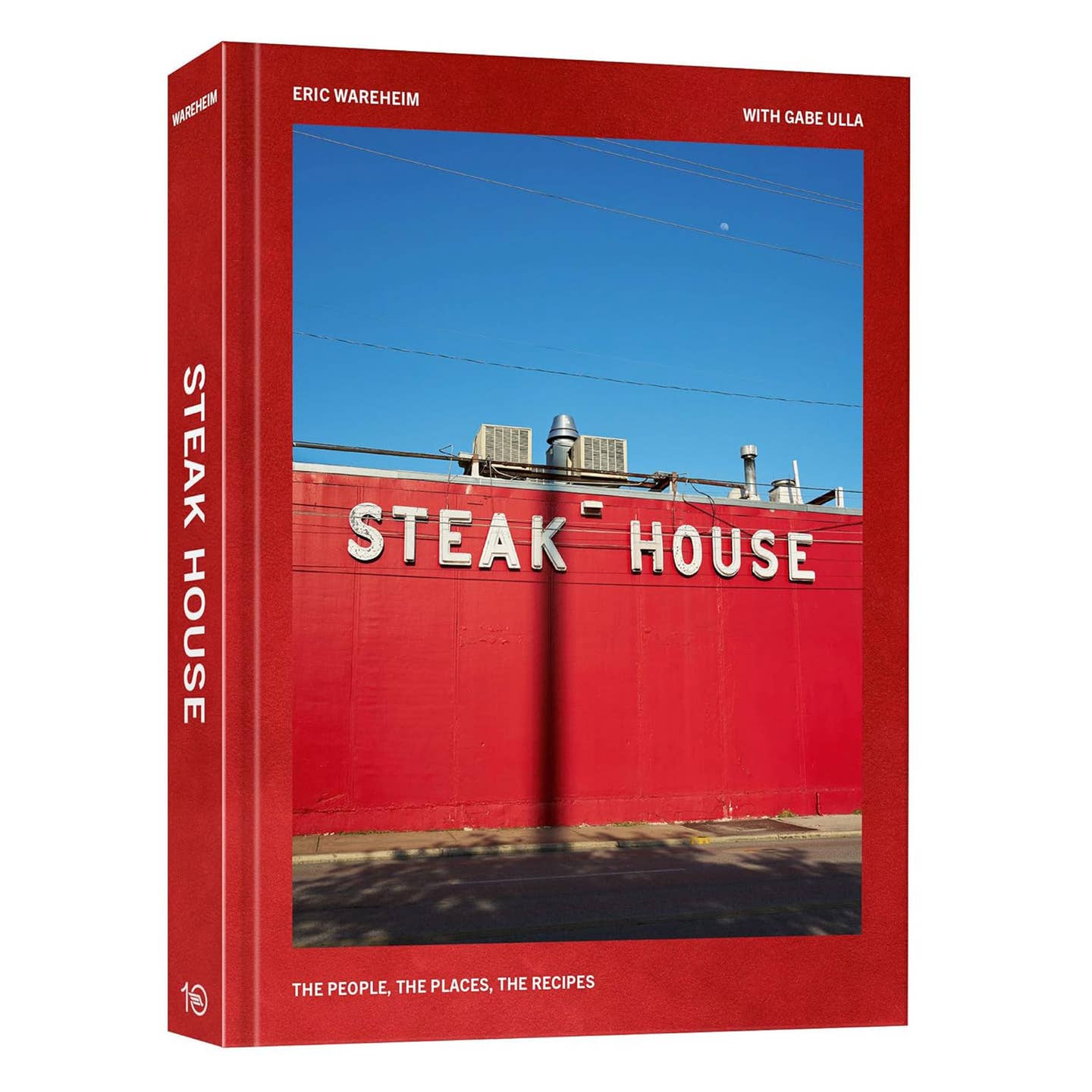

In Steak House, Eric Wareheim hits the road to rediscover an American classic. From New York’s Peter Luger to Portland, Oregon’s RingSide and Houston’s excellent Pappas Bros., he explores what these enduring institutions reveal about taste, ritual, and hospitality in a fast-changing dining world—while also bringing their steakhouse dishes to you to try at home. Wareheim collects 45 recipes and stories that capture the spirit of the steakhouse—the martinis, the candlelit tables, and the characters who eat and work at these temples of meat. Through vivid photographs by Marcus Nilsson and sharp storytelling by Wareheim with Gabe Ulla, Steak House becomes less a cookbook than a portrait of institutions built on generosity, excess, and the joy of being cared for. —Thomas Payne, Visuals Director
Recipes to try: Smoked Tomahawk (p. 143), Pollo Asado (p. 178), Aziz’s Martini (p. 298)
Keep Reading


Continue to Next Story