Celebrating 20 Years of the Charleston Wine + Food Festival
For two decades, the annual event has celebrated the South Carolina city’s evolving culinary legacy and championed its local talent.

By Shane Mitchell


Published on February 27, 2026

Before we pick up our forks, let’s invoke the ancestors: Southern culinary mentors like Martha Lou Gadsden, Louis Osteen, Robert Carter, Emily Meggett, and Joseph “Chef Joe” Glascoe Randall are the ones who taught us to never stir a pot of rice, and why it’s sacrilege to add sugar to cornbread or grits. Without their guidance, we wouldn’t be celebrating this kind of food today. And, building on their legacy, change has come to South Carolina’s Lowcountry, particularly on the greater Charleston peninsula, which my family has called home for a really long time.
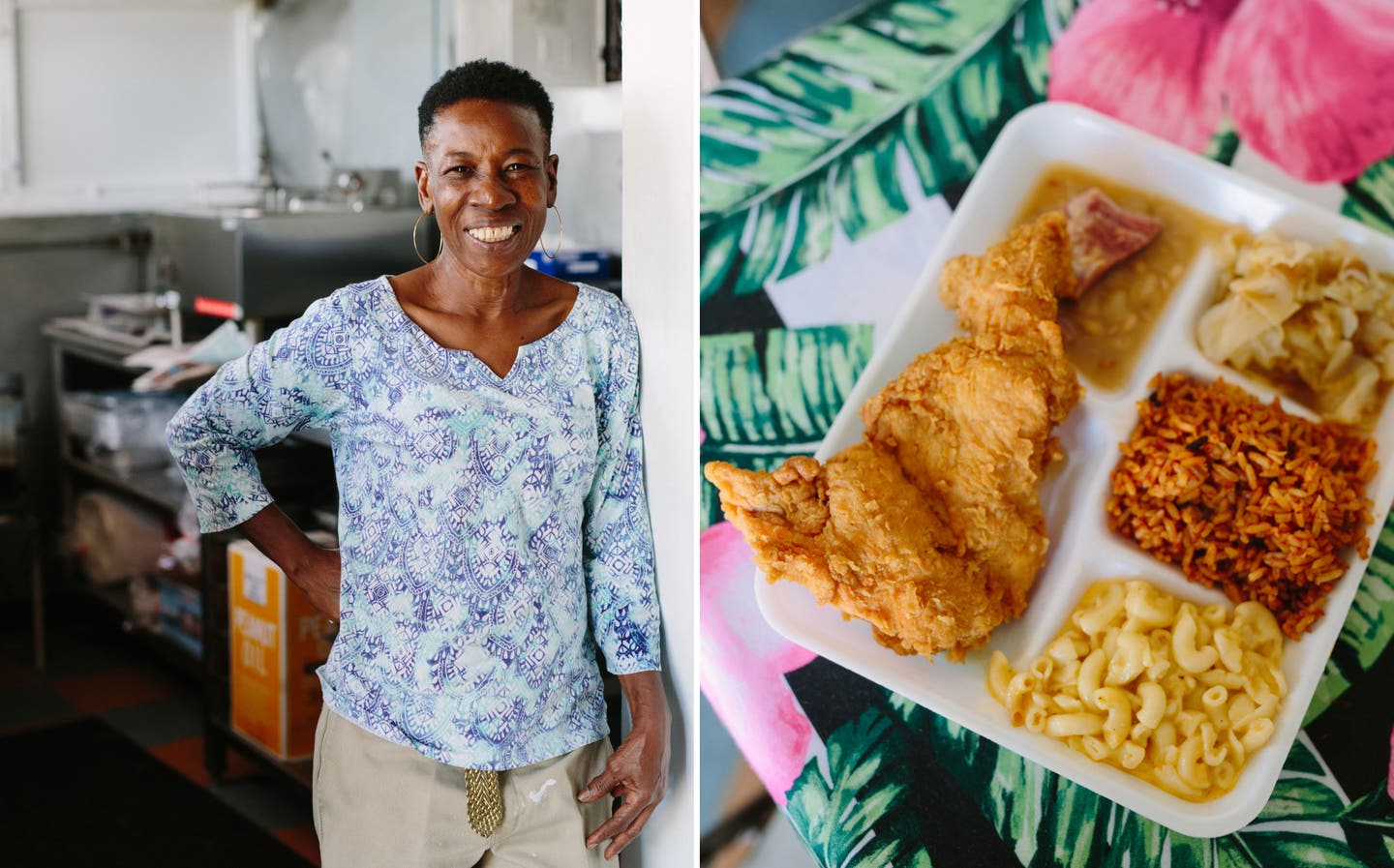
Chef Martha Lou
Martha Lou Gadsden (Photo: Jesse Volk, Courtesy Charleston Wine + Food)

“Look how much the hospitality community has grown,” says Alyssa Maute Smith, executive director of the Charleston Wine + Food Festival, now entering its 20th season. The annual event has not only showcased the evolving culinary community, but it has also helped it thrive through mentorships and financial support for inclusive programming over the years. This translates to more voices—and more flavors—being introduced. The city has also become a training ground for a new generation of talent in the kitchen, both born here and more recently arrived. Most importantly, though, is the full-throated acknowledgement of the region’s deepest culinary roots, for those first geniuses who brought techniques and tastes from their homelands, especially West African rice cultures, that are fundamental to the dishes being reimagined today.
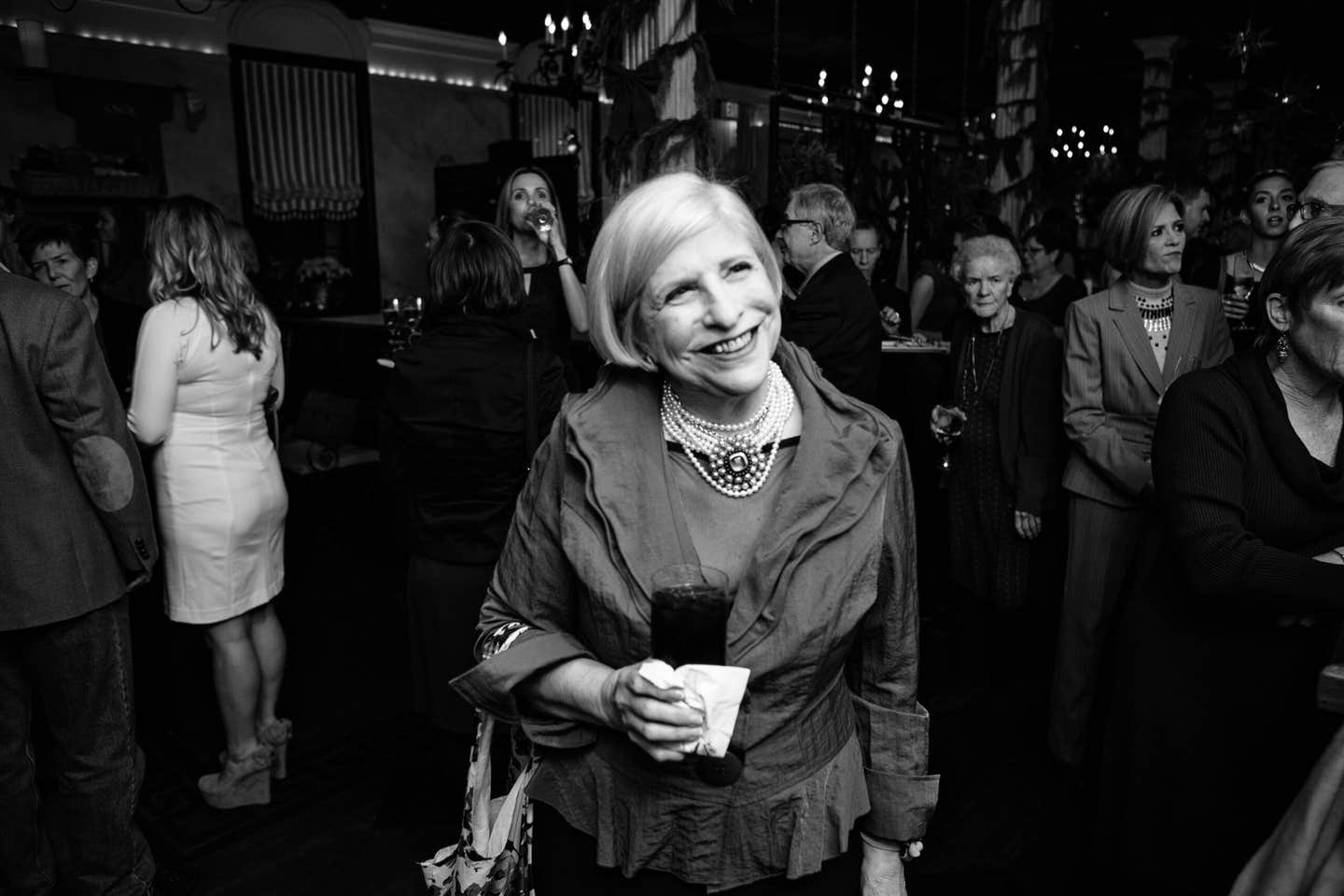
Nathalie Dupree
Nathalie Dupree (Courtesy Charleston Wine + Food)

For this, Maute Smith credits advocates like the late author Nathalie Dupree, a grand dame of Southern cooking, for spreading the word about the people who fire the stoves and pour the cocktails in her adopted hometown. The same can be said for many of the chefs who are now featured at the Festival—not all are household names, but they are core to Lowcountry foodways. “Charleston has a grassroots network that supports each other,” Maute Smith says. “We want the stories to feel authentic to this place. We see ourselves.”
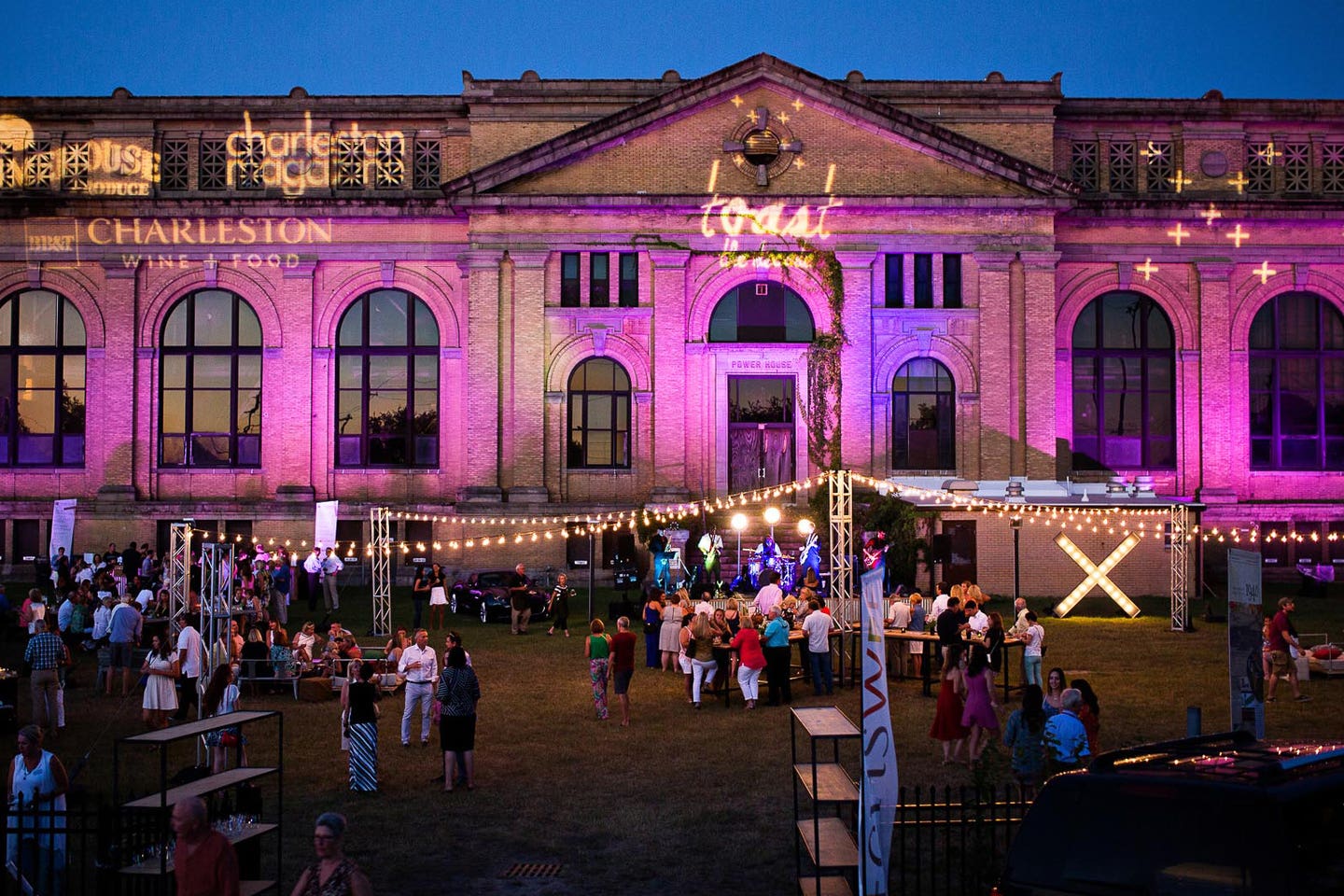
Ticket Launch
Courtesy Charleston Wine + Food

To understand the significance of these culture bearers, it might help to know that I never used to have a problem picking where to eat out in Charleston—because I never ate out. My great-aunts, who I visited often, were amazing cooks, but that was also the culture of the time. Family members would return home from work for a hot midday meal, and if I escaped being wrestled into a starchy dress on Sunday, it was because the aunts sent me out to the dock as the tide shifted to catch crabs with a chicken neck and a net. Maute Smith, who was raised on James Island, remembers the same rituals. “We didn’t go out to eat either,” she says. “For me, this is the underpinning of why Charleston is a food destination, because everyone was so committed to the land, buying directly from family-owned purveyors or catching it ourselves. My dad taught me to harvest the local oysters and how to seine in the creek. When we got a batch of shrimp, we’d sit around the kitchen table and pop off the heads to freeze.”

Because of this long-standing attitude, the Lowcountry has no lack of exceptional chefs who support heritage produce and coastal fishermen. Even if you didn’t grow up being served classic Southern dishes, the Festival makes you feel welcome to the table with events that highlight both tradition and innovation. During a special anniversary dinner, where multiple courses reflect the transformation of the city’s dining map, chef Daniel ‘Dano’ Heinze of Vern’s gives love to squid, once considered lowly bycatch by the regional shrimping fleet. “This is something we had to seek out,” Heinze says. “We’re trying to evolve what can be done with food in this part of the country.” He pairs charcoal grilled squid with capered sea beans—a salty succulent foraged on the beaches—and wild redbay laurel leaves. “It has a crazy floral, herbal, tea-like flavor and is used to impart aroma to Carolina Gold rice, but we infuse it into oil at our restaurant.” Another menu item is a collaboration with Chubby Fish chef James London and chef Juan Cassalett of Malagón Mercado y Tapería, who have paired heirloom alubia blanca beans with locally sourced lamb for a Basque-inspired dish that spans multiple borders and crosses oceans. My Huguenot ancestors, early refugees from the neighboring Languedoc who landed in the Lowcountry during the 1660s, made my family staunch lamb eaters, too.
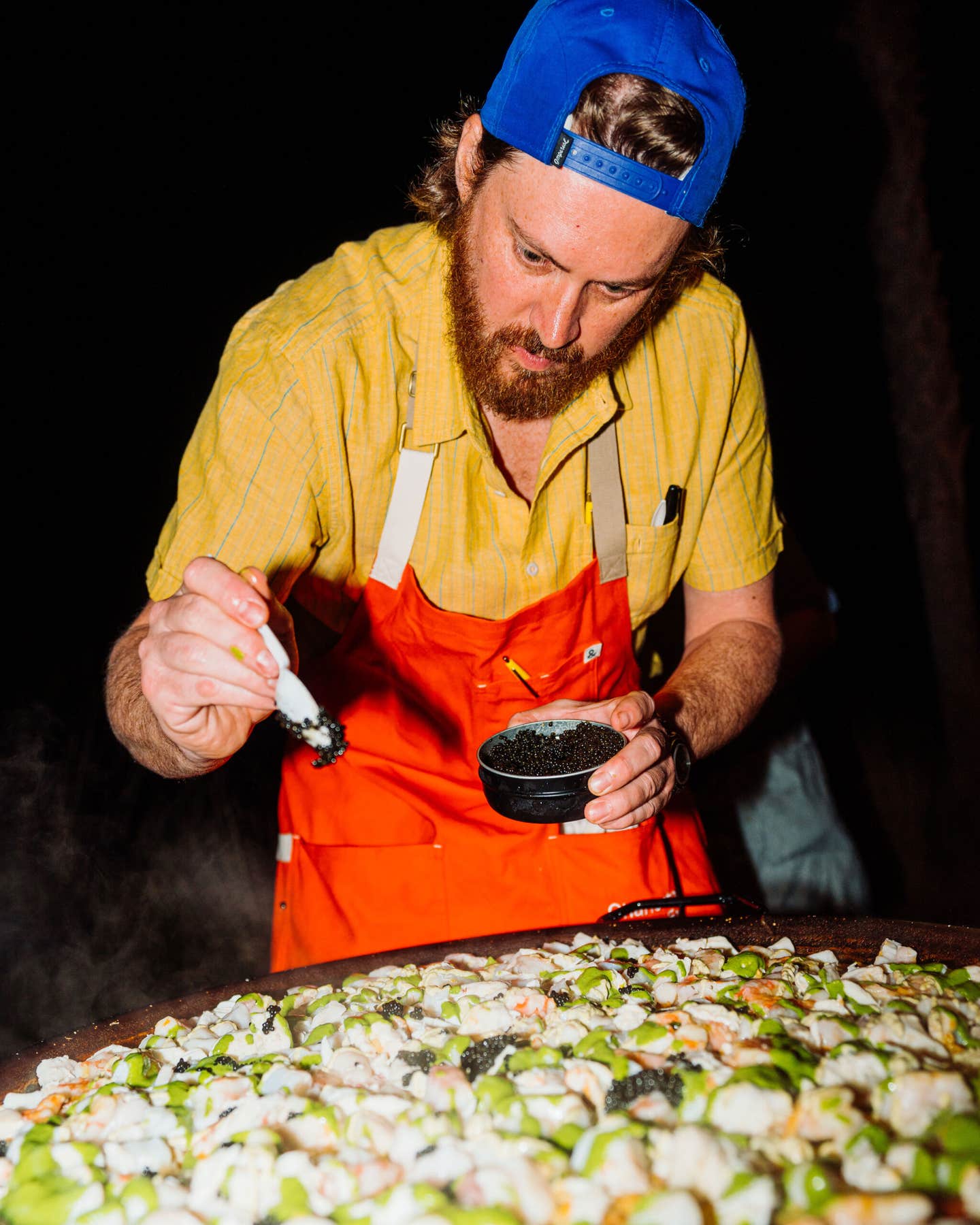
James London
James London (Photo: Lawson Builder, Courtesy Charleston Wine + Food)

The Festival also spotlights a new generation of Gullah Geechee chefs championing their ancestral foodways—red rice, deviled crab, okra soup—while also introducing new variations on these dishes. This year, chef BJ Dennis is putting oysters in his perloo. He sources them directly from older Gullah men who still have their Lucy Creek leases off Lady’s Island in Beaufort County. “You don’t see these in restaurants,” he says. The only way to get them is to know someone, which taps into that informal network of friends and family who still take pride in harvesting or catching their own. Dennis pairs the oysters with rice middlins and a savory benne seed chutney inspired by Afro Mexican salsa macha. “I always say that Gullah Geechee is the queen mother of Lowcountry cuisine,” Dennis says. “Learning about my history and my roots goes beyond culture and race. This is my duty, my journey.” 
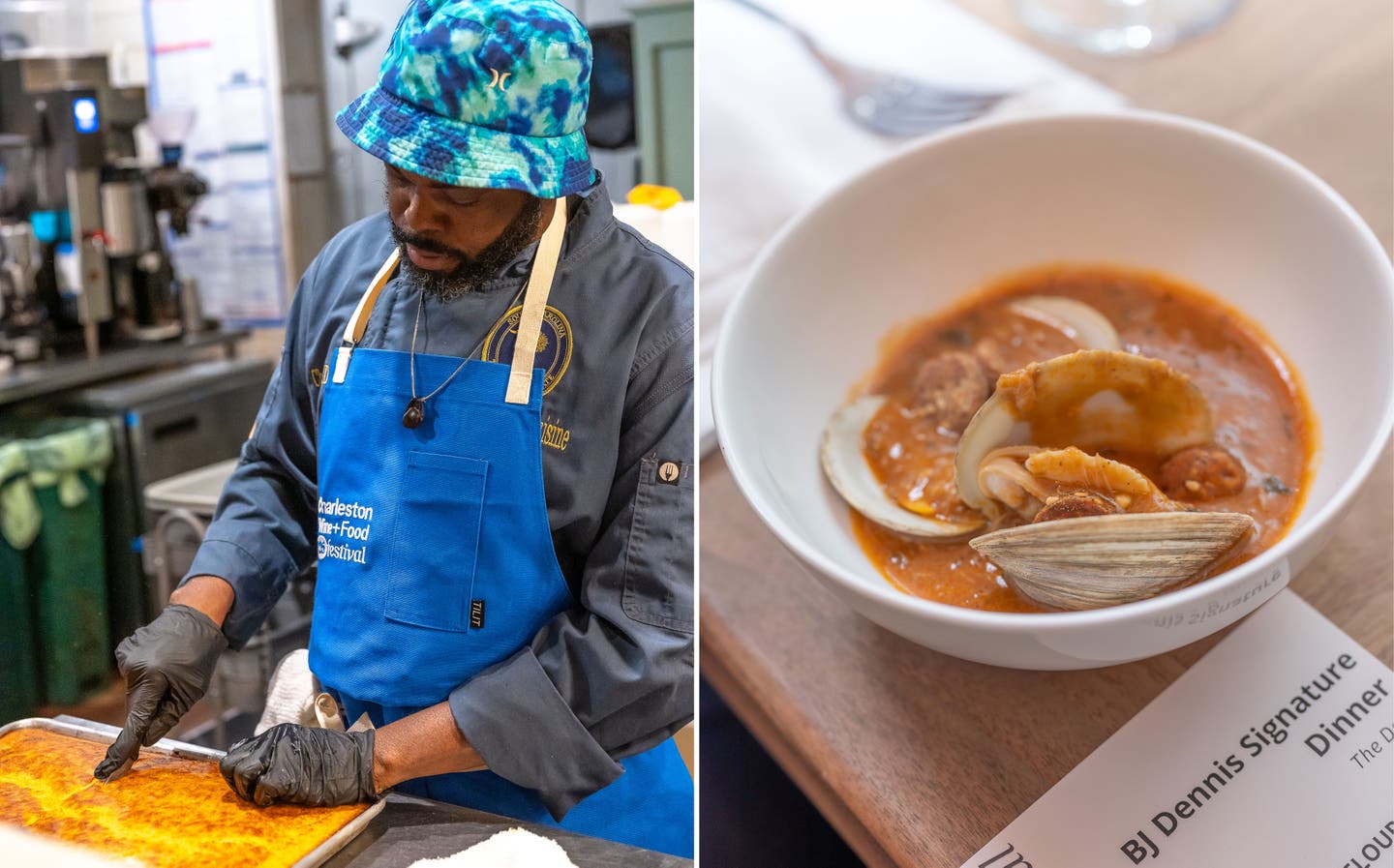
Chef BJ Dennis
BJ Dennis (Photo: Katrina S. Crawford, Courtesy Charleston Wine + Food)

This year, Amethyst Ganaway brings fresh perspective to the nose-to-tail movement with her love of wild game and offal during her hands-on tutorial at the Culinary Institute of Charleston. And Johnny Caldwell of Cocktail Bandits puts the same heart and soul into her drinks, paying homage to her culture with every pour. “I want our cocktails to be welcoming, to acknowledge Charleston’s past but, while anchored in the old ways, represent change,” she says. Her Palmetto Passage is a fizzy nightcap of champagne, Aperol, sweet Italian vermouth, and hibiscus tea that highlights both European and Charleston punch traditions. “The hibiscus ties Charleston to our Caribbean connection and our love of tea in the South.”  

Nikko Cagalanan
Nikko Cagalanan (Photo: Bella Natale, Courtesy Charleston Wine + Food)

And which meal am I most looking forward to? It’s a no brainer: Nikko Cagalanan of Kultura is co-hosting a shared table dinner, preparing Lowcountry fusion dishes in the style of his Filipino kamayan, a communal feast served on banana leaves. No forks required, only fingers. That’s my kind of Sunday dinner.

Charleston Wine + Food media sponsor banner
Photo: Jesse Volk (Courtesy Charleston Wine + Food)
Charleston Wine + Food
PHOTO: JESSE VOLK (COURTESY CHARLESTON WINE + FOOD)
Travel

Celebrating 20 Years of the Charleston Wine + Food Festival

For two decades, the annual event has celebrated the South Carolina city’s evolving culinary legacy and championed its local talent.

By Shane Mitchell


Published on February 27, 2026

Before we pick up our forks, let’s invoke the ancestors: Southern culinary mentors like Martha Lou Gadsden, Louis Osteen, Robert Carter, Emily Meggett, and Joseph “Chef Joe” Glascoe Randall are the ones who taught us to never stir a pot of rice, and why it’s sacrilege to add sugar to cornbread or grits. Without their guidance, we wouldn’t be celebrating this kind of food today. And, building on their legacy, change has come to South Carolina’s Lowcountry, particularly on the greater Charleston peninsula, which my family has called home for a really long time.

Chef Martha Lou
Martha Lou Gadsden (Photo: Jesse Volk, Courtesy Charleston Wine + Food)

“Look how much the hospitality community has grown,” says Alyssa Maute Smith, executive director of the Charleston Wine + Food Festival, now entering its 20th season. The annual event has not only showcased the evolving culinary community, but it has also helped it thrive through mentorships and financial support for inclusive programming over the years. This translates to more voices—and more flavors—being introduced. The city has also become a training ground for a new generation of talent in the kitchen, both born here and more recently arrived. Most importantly, though, is the full-throated acknowledgement of the region’s deepest culinary roots, for those first geniuses who brought techniques and tastes from their homelands, especially West African rice cultures, that are fundamental to the dishes being reimagined today.

Nathalie Dupree
Nathalie Dupree (Courtesy Charleston Wine + Food)

For this, Maute Smith credits advocates like the late author Nathalie Dupree, a grand dame of Southern cooking, for spreading the word about the people who fire the stoves and pour the cocktails in her adopted hometown. The same can be said for many of the chefs who are now featured at the Festival—not all are household names, but they are core to Lowcountry foodways. “Charleston has a grassroots network that supports each other,” Maute Smith says. “We want the stories to feel authentic to this place. We see ourselves.”

Ticket Launch
Courtesy Charleston Wine + Food

To understand the significance of these culture bearers, it might help to know that I never used to have a problem picking where to eat out in Charleston—because I never ate out. My great-aunts, who I visited often, were amazing cooks, but that was also the culture of the time. Family members would return home from work for a hot midday meal, and if I escaped being wrestled into a starchy dress on Sunday, it was because the aunts sent me out to the dock as the tide shifted to catch crabs with a chicken neck and a net. Maute Smith, who was raised on James Island, remembers the same rituals. “We didn’t go out to eat either,” she says. “For me, this is the underpinning of why Charleston is a food destination, because everyone was so committed to the land, buying directly from family-owned purveyors or catching it ourselves. My dad taught me to harvest the local oysters and how to seine in the creek. When we got a batch of shrimp, we’d sit around the kitchen table and pop off the heads to freeze.”

Because of this long-standing attitude, the Lowcountry has no lack of exceptional chefs who support heritage produce and coastal fishermen. Even if you didn’t grow up being served classic Southern dishes, the Festival makes you feel welcome to the table with events that highlight both tradition and innovation. During a special anniversary dinner, where multiple courses reflect the transformation of the city’s dining map, chef Daniel ‘Dano’ Heinze of Vern’s gives love to squid, once considered lowly bycatch by the regional shrimping fleet. “This is something we had to seek out,” Heinze says. “We’re trying to evolve what can be done with food in this part of the country.” He pairs charcoal grilled squid with capered sea beans—a salty succulent foraged on the beaches—and wild redbay laurel leaves. “It has a crazy floral, herbal, tea-like flavor and is used to impart aroma to Carolina Gold rice, but we infuse it into oil at our restaurant.” Another menu item is a collaboration with Chubby Fish chef James London and chef Juan Cassalett of Malagón Mercado y Tapería, who have paired heirloom alubia blanca beans with locally sourced lamb for a Basque-inspired dish that spans multiple borders and crosses oceans. My Huguenot ancestors, early refugees from the neighboring Languedoc who landed in the Lowcountry during the 1660s, made my family staunch lamb eaters, too.

James London
James London (Photo: Lawson Builder, Courtesy Charleston Wine + Food)

The Festival also spotlights a new generation of Gullah Geechee chefs championing their ancestral foodways—red rice, deviled crab, okra soup—while also introducing new variations on these dishes. This year, chef BJ Dennis is putting oysters in his perloo. He sources them directly from older Gullah men who still have their Lucy Creek leases off Lady’s Island in Beaufort County. “You don’t see these in restaurants,” he says. The only way to get them is to know someone, which taps into that informal network of friends and family who still take pride in harvesting or catching their own. Dennis pairs the oysters with rice middlins and a savory benne seed chutney inspired by Afro Mexican salsa macha. “I always say that Gullah Geechee is the queen mother of Lowcountry cuisine,” Dennis says. “Learning about my history and my roots goes beyond culture and race. This is my duty, my journey.” 

Chef BJ Dennis
BJ Dennis (Photo: Katrina S. Crawford, Courtesy Charleston Wine + Food)

This year, Amethyst Ganaway brings fresh perspective to the nose-to-tail movement with her love of wild game and offal during her hands-on tutorial at the Culinary Institute of Charleston. And Johnny Caldwell of Cocktail Bandits puts the same heart and soul into her drinks, paying homage to her culture with every pour. “I want our cocktails to be welcoming, to acknowledge Charleston’s past but, while anchored in the old ways, represent change,” she says. Her Palmetto Passage is a fizzy nightcap of champagne, Aperol, sweet Italian vermouth, and hibiscus tea that highlights both European and Charleston punch traditions. “The hibiscus ties Charleston to our Caribbean connection and our love of tea in the South.”  
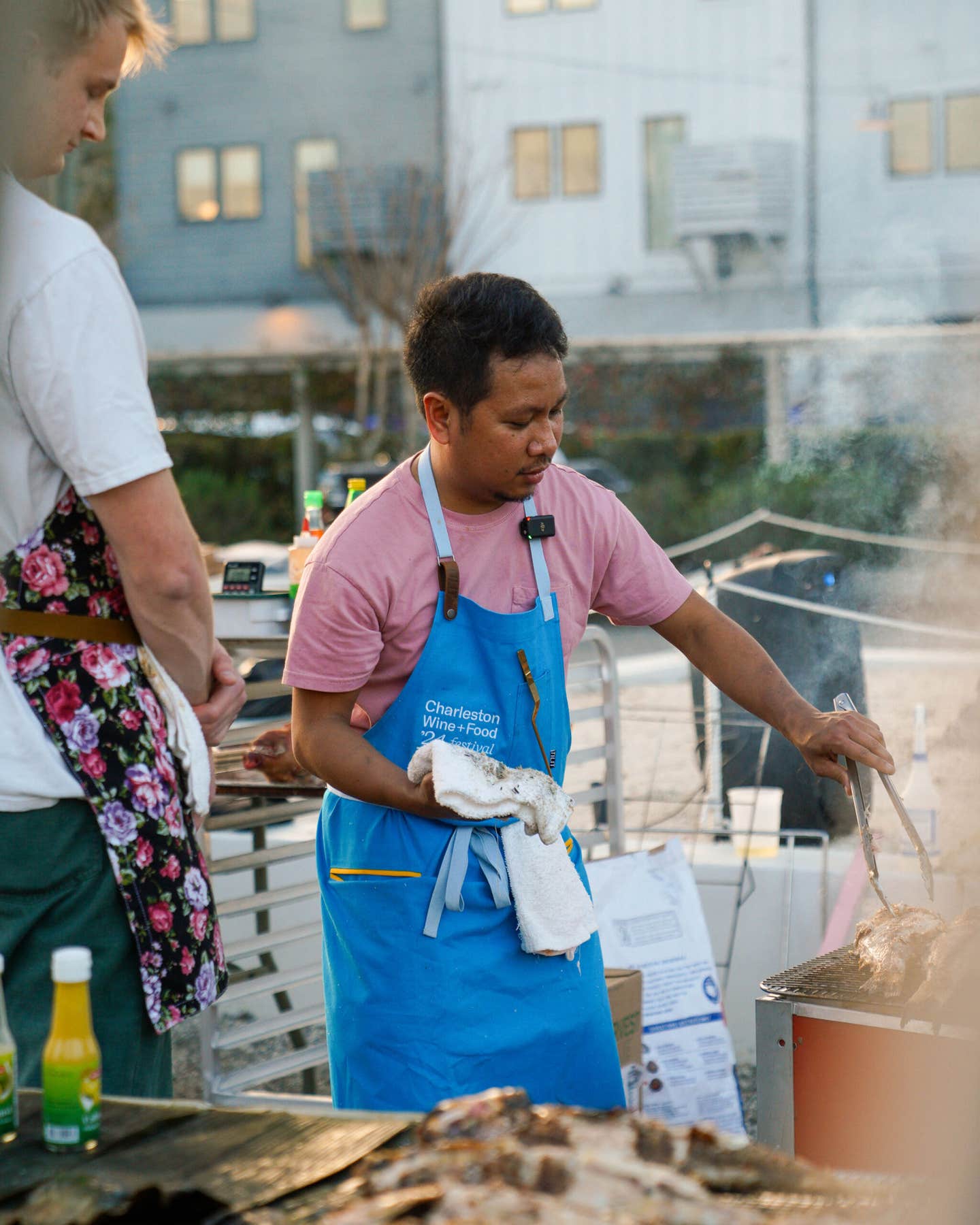
Nikko Cagalanan
Nikko Cagalanan (Photo: Bella Natale, Courtesy Charleston Wine + Food)

And which meal am I most looking forward to? It’s a no brainer: Nikko Cagalanan of Kultura is co-hosting a shared table dinner, preparing Lowcountry fusion dishes in the style of his Filipino kamayan, a communal feast served on banana leaves. No forks required, only fingers. That’s my kind of Sunday dinner.

Charleston Wine + Food media sponsor banner

Continue to Next Story

Want more SAVEUR?

Get our favorite recipes, stories, and more delivered to your inbox.