Meet Sacramento’s Queen of Little Saigon
How one woman built a market that became a Vietnamese American touchstone.

By Soleil Ho


Published on March 9, 2026

This piece originally appeared in SAVEUR’s Fall/Winter 2025 issue. See more stories from Issue 205.

Suying Plaskett is in Vinh Phat, her sprawling South Sacramento grocery store, inspecting a spray of lilies bound for a local temple. It’s the Chinese goddess Guanyin’s birthday, and the shopkeeper has a sliver of time to talk before sprinting off to pay her respects. As we walk along, Plaskett, a straight-backed 77-year-old in hoop earrings and a denim jumpsuit, stops to softly pat the elbows of ­regulars pushing carts full of vegetables.

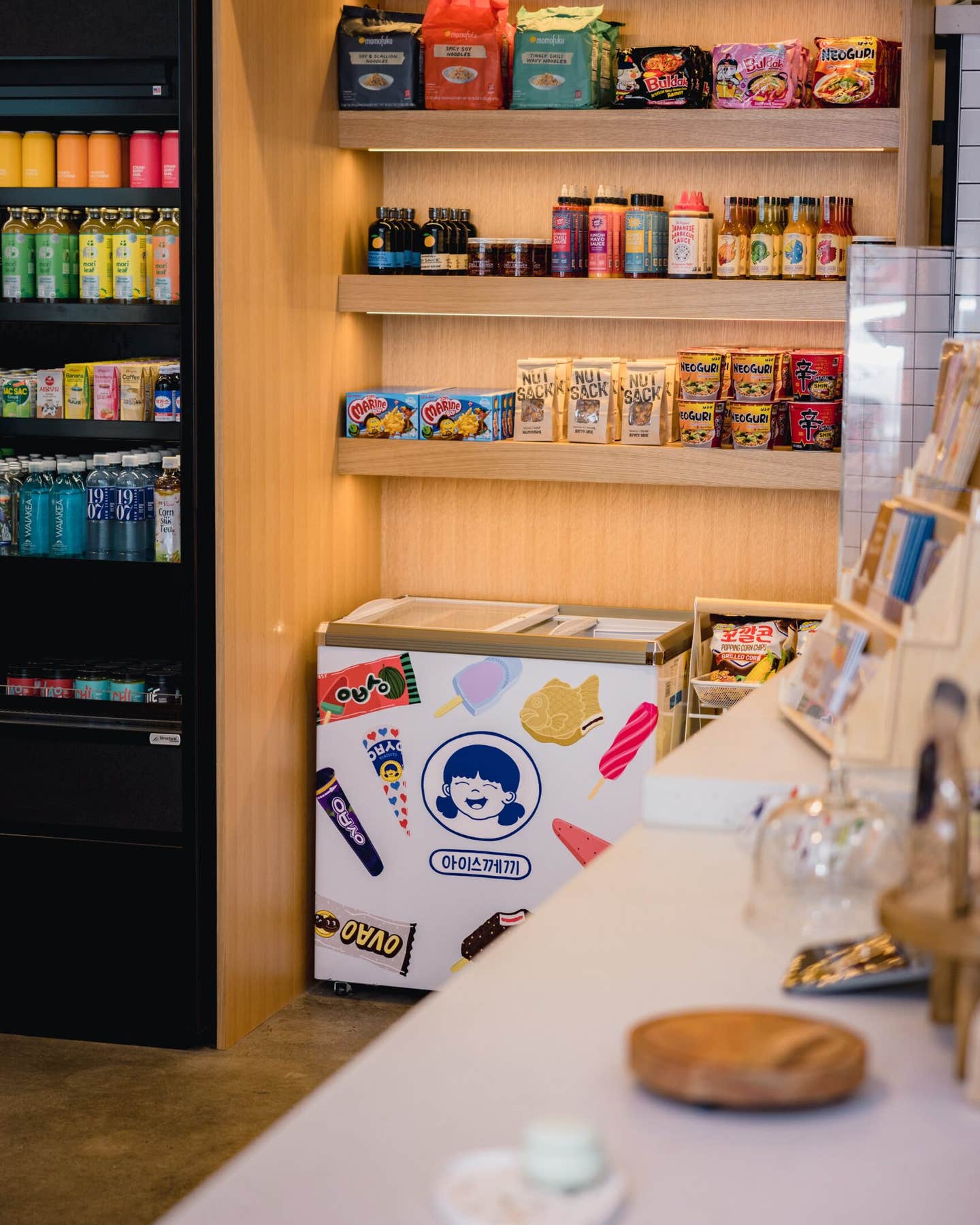
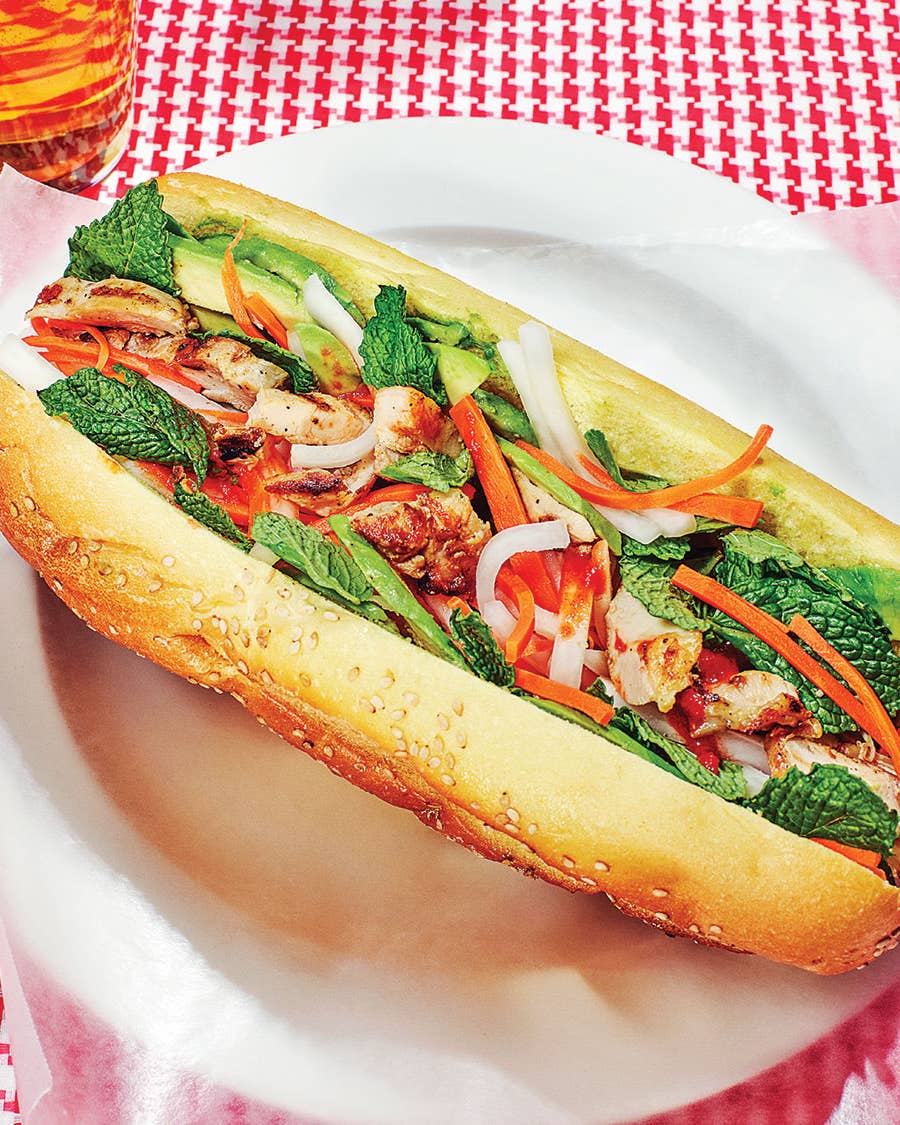
Half a dozen staffers work the meat counter alone, and even niche items such as mam tom (fermented shrimp paste) command multiple shelves. In my favorite corner, staff stack banh mi beside hanging roast pork belly and barbecued ducks, meaty stalactites leaking droplets of their golden fat. Vinh Phat is, in more ways than one, an oasis.

Plaskett arrived in the United States just as the Vietnam War was coming to an end. In 1974, she married a U.S. Air Force officer and became one of fewer than 15,000 Vietnamese nationals living in the country. A year later, Saigon fell. In the ensuing years, hundreds of thousands of Vietnamese refugees fled to the U.S.

In 1978, Plaskett received a letter: Her family, along with 350 refugees, were on a boat on the Thailand-Malaysia border, and they were running out of supplies. She hurried to Thailand to meet them. When Plaskett saw her father wasting away on a beach, his fingers and legs swollen from exposure to the elements, she wept bitterly. “I have never seen anything like that,” she recalls.

Through determination and a bit of luck, Plaskett managed to evacuate her family and some of their fellow passengers back to Sacramento, where she became their de facto social worker, confronting exploitative landlords, navigating legal dilemmas, and everything in between.

Soon small Vietnamese businesses started ­popping up in the neighborhood—banh mi shops, coffee houses, and wire transfer outposts—but there was no Asian grocery store. “I thought, ‘Open a market. Everybody will have a job!’ ” she says.

In Vinh Phat’s 40 years of business, the ­district has transformed from a neglected corridor to what’s now lovingly known as Little Saigon. The clientele has changed, too: The refugees’ descendants have embraced “that U.S.A. culture,” Plaskett says of the locals now wandering the aisles in designer clothes and UC Davis swag.

The new generation—Plaskett’s children and her cousin—will eventually take over the business, but the owner doubts she’ll ever really leave. “People still want to see me!” she says. “What am I going to do, stay home? Here I can stop by the cash register, keep an eye on ­everybody. I’m happy.”

Camelia Pham
Profiles

Meet Sacramento’s Queen of Little Saigon

How one woman built a market that became a Vietnamese American touchstone.

Meet Sacramento’s Queen of Little Saigon
CAMELIA PHAM

By Soleil Ho


Published on March 9, 2026

This piece originally appeared in SAVEUR’s Fall/Winter 2025 issue. See more stories from Issue 205.

Suying Plaskett is in Vinh Phat, her sprawling South Sacramento grocery store, inspecting a spray of lilies bound for a local temple. It’s the Chinese goddess Guanyin’s birthday, and the shopkeeper has a sliver of time to talk before sprinting off to pay her respects. As we walk along, Plaskett, a straight-backed 77-year-old in hoop earrings and a denim jumpsuit, stops to softly pat the elbows of ­regulars pushing carts full of vegetables.

Half a dozen staffers work the meat counter alone, and even niche items such as mam tom (fermented shrimp paste) command multiple shelves. In my favorite corner, staff stack banh mi beside hanging roast pork belly and barbecued ducks, meaty stalactites leaking droplets of their golden fat. Vinh Phat is, in more ways than one, an oasis.

Plaskett arrived in the United States just as the Vietnam War was coming to an end. In 1974, she married a U.S. Air Force officer and became one of fewer than 15,000 Vietnamese nationals living in the country. A year later, Saigon fell. In the ensuing years, hundreds of thousands of Vietnamese refugees fled to the U.S.

In 1978, Plaskett received a letter: Her family, along with 350 refugees, were on a boat on the Thailand-Malaysia border, and they were running out of supplies. She hurried to Thailand to meet them. When Plaskett saw her father wasting away on a beach, his fingers and legs swollen from exposure to the elements, she wept bitterly. “I have never seen anything like that,” she recalls.

Through determination and a bit of luck, Plaskett managed to evacuate her family and some of their fellow passengers back to Sacramento, where she became their de facto social worker, confronting exploitative landlords, navigating legal dilemmas, and everything in between.

Soon small Vietnamese businesses started ­popping up in the neighborhood—banh mi shops, coffee houses, and wire transfer outposts—but there was no Asian grocery store. “I thought, ‘Open a market. Everybody will have a job!’ ” she says.

In Vinh Phat’s 40 years of business, the ­district has transformed from a neglected corridor to what’s now lovingly known as Little Saigon. The clientele has changed, too: The refugees’ descendants have embraced “that U.S.A. culture,” Plaskett says of the locals now wandering the aisles in designer clothes and UC Davis swag.

The new generation—Plaskett’s children and her cousin—will eventually take over the business, but the owner doubts she’ll ever really leave. “People still want to see me!” she says. “What am I going to do, stay home? Here I can stop by the cash register, keep an eye on ­everybody. I’m happy.”

Continue to Next Story

Want more SAVEUR?

Get our favorite recipes, stories, and more delivered to your inbox.