Our 12 Most-Read Food and Travel Stories of 2025
These are our most-clicked articles of the year, from QQ-textured treats and Maine’s neon red hot dogs to the quiet joy of doing the dishes.
From recreating an old-school Wisconsin supper club (complete with Pink Squirrel cocktails) to throwing an epic afterparty at Providence’s new food festival, we’ve had quite a year at SAVEUR. We also put out two new print issues, plus this small-format cookbook with a dozen holiday-ready cake recipes. Most importantly, we got to keep telling great stories from around the globe, whether it’s a deep-dive on a banana ketchup shortage to a behind-the-scenes look at the design-forward kitchen of our dreams in Mexico City. Oh, and hot dogs—lots of hot dogs.
Each year, we reflect back on which stories resonated with our readers the most so we can keep writing, editing, and photographing the work you love. Read on for our most-clicked food and travel features from 2025.
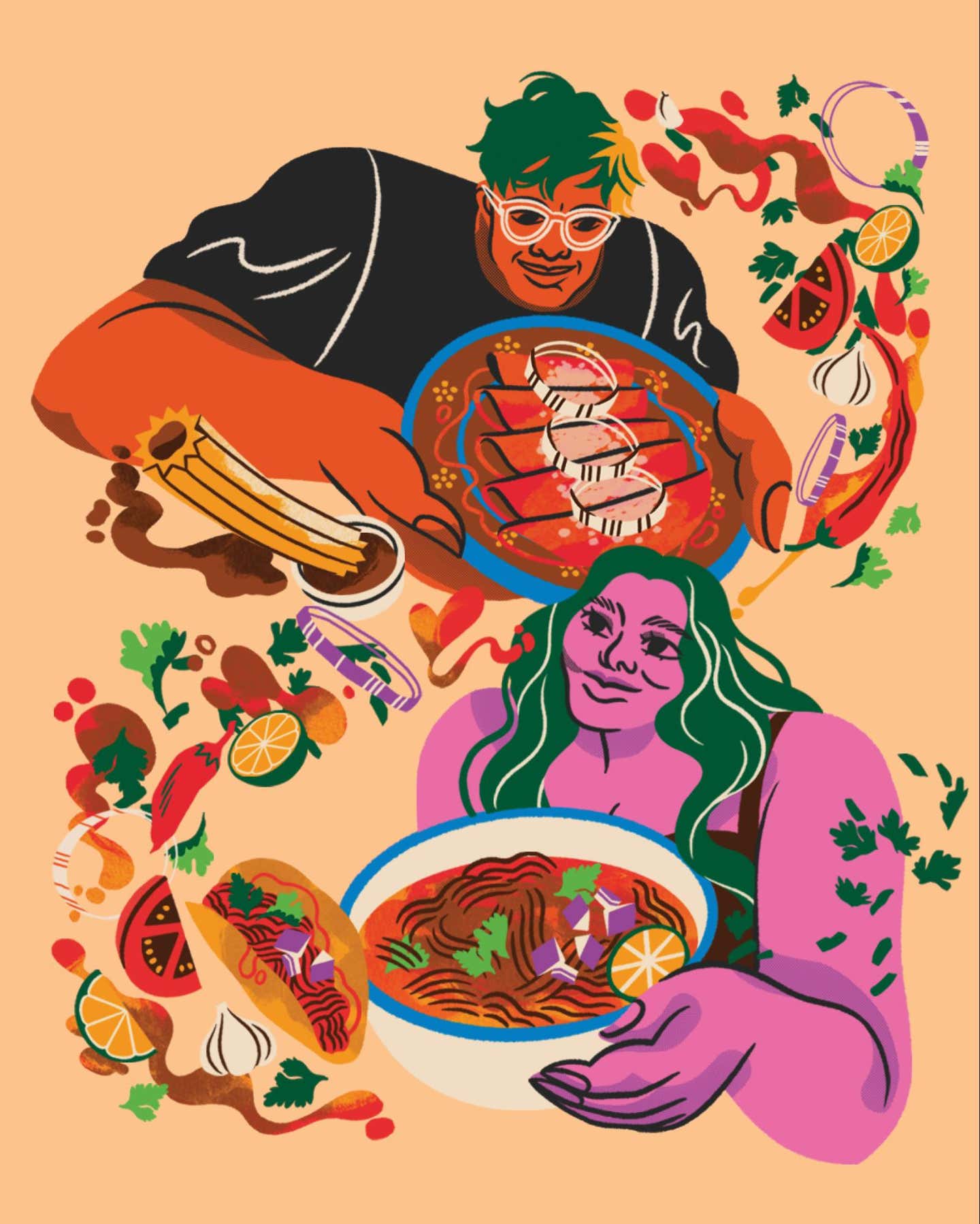

In 2011, when Javier Cabral cold-called James Oseland, the then editor-in-chief of SAVEUR, he never thought he was going to meet the love of his life. Cabral, now the editor of L.A. Taco, wound up writing a cover story about his family’s home state of Zacatecas, Mexico, which caught the attention of Paola Briseño González, a writer and recipe developer. “That story catapulted my career and it connected me with my soulmate,” Cabral says. “Paola is so beautiful and so different from me. She brought light into my nihilistic life and opened my eyes to many things.”
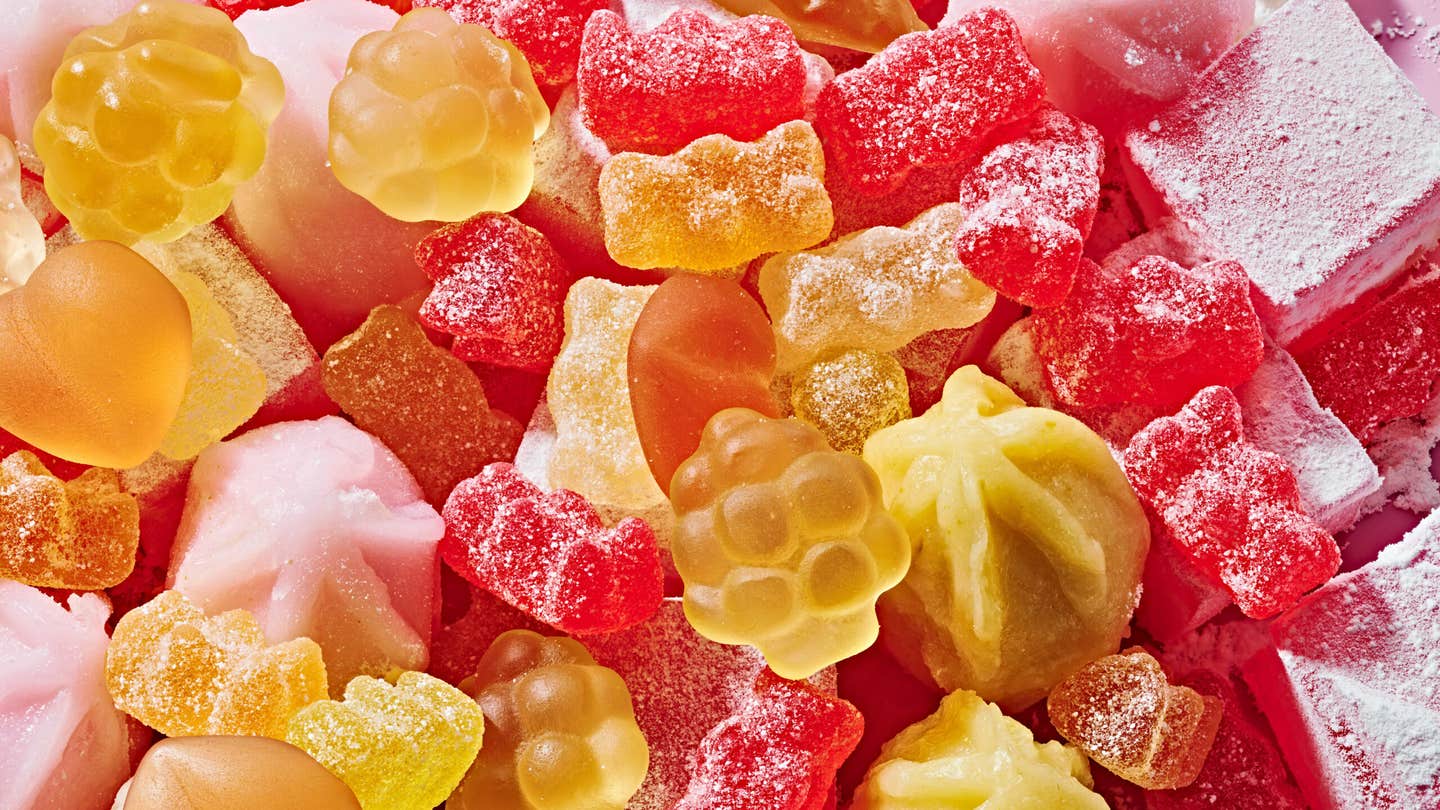

“The English language has too few words to describe the textures of food,” says writer Cathy Erway. Nomenclature matters, she argues, because it helps us identify nuance. Recently, Q, the Taiwanese name for a satisfyingly bouncy texture, has entered the American vernacular. Think: boba, butter mochi, or springy curry fish balls. Once Q (or QQ for things that are extra bouncy) becomes part of your culinary vocabulary, you may find yourself craving it all the time.
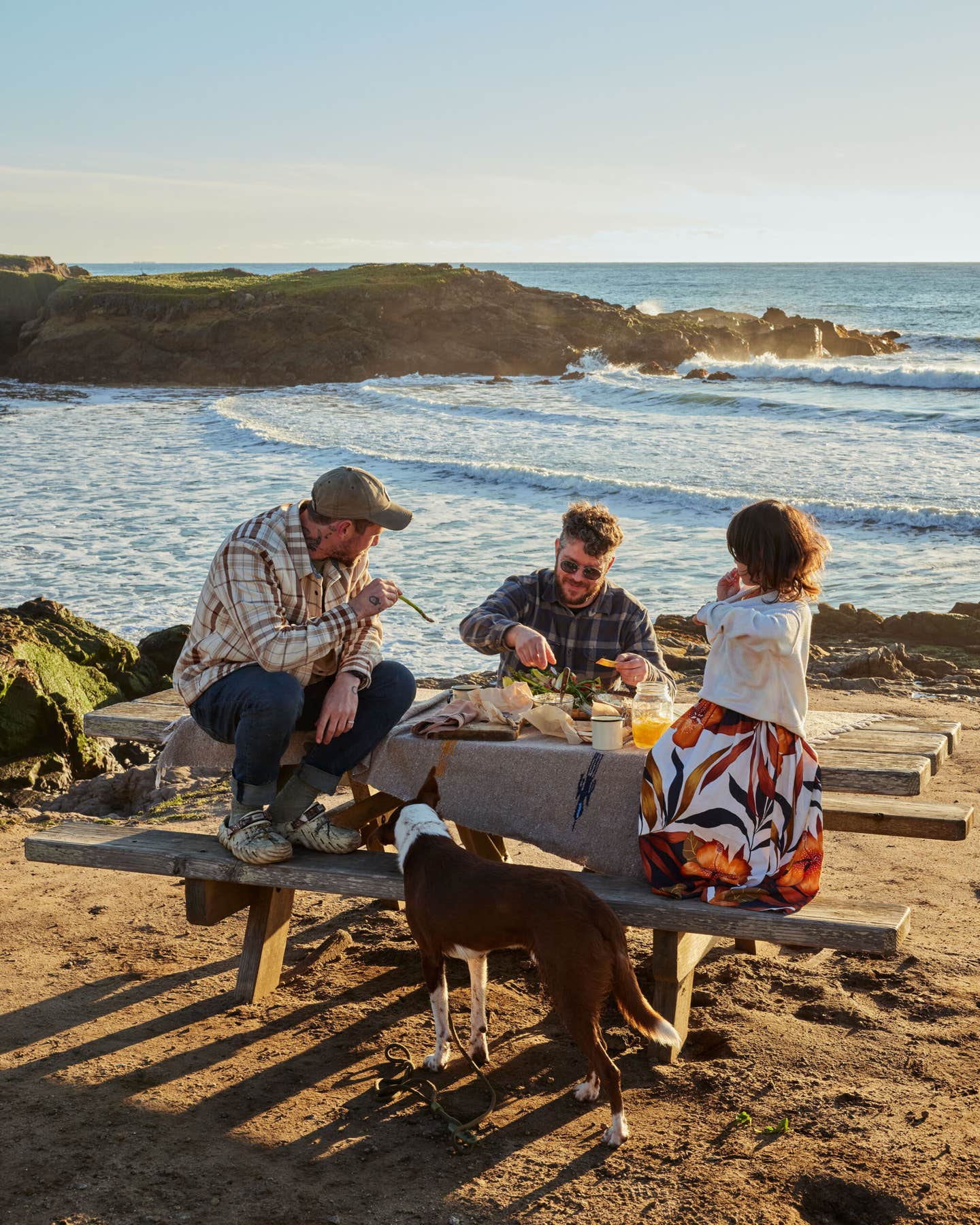

On a rare sunny day off of work, Scott Clark, chef-owner of Dad’s Luncheonette, makes a beeline for the beach with his daughter, Frost, his dog, Boon, and his surfboard in tow. Writer Betsy Andrews got all the details (and recipes) from his easy-going, produce-loaded lunch menu. From ember-roasted sweet potatoes with aged feta to griddled hen of the woods mushroom and egg sandwiches, you’re going to want to add these to your picnic rotation.
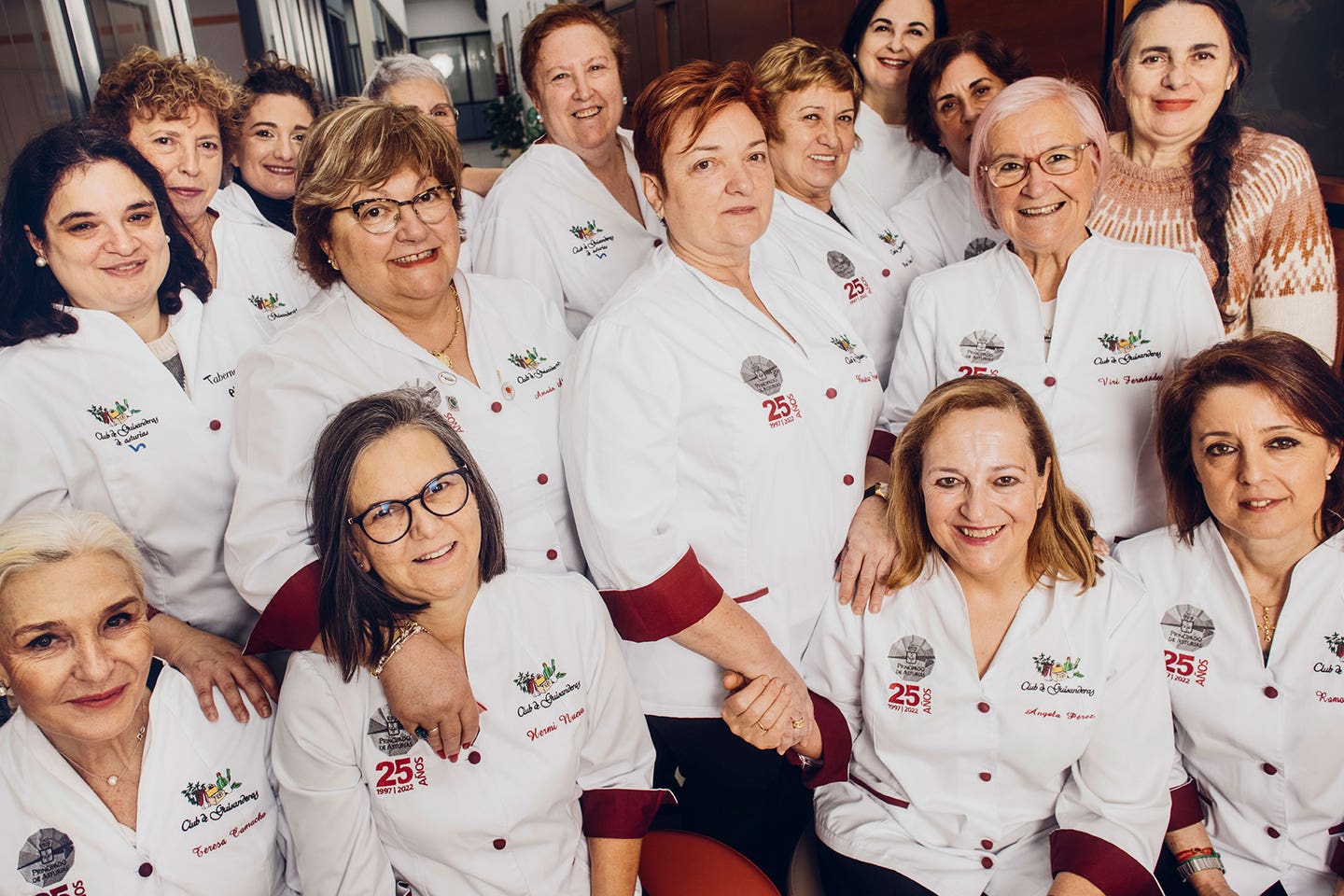

“Guisandera” is a term that defies easy English translation. Taken literally, it means “stew maker,” but in Asturias, the word implies a deep knowledge of home cooking techniques. Writer Paul Richardson notes that while much has been said about the “zeal of modernizing chefs wielding gels and foams” in Spain, it’s high time the guisanderas and their tried-and-true, boldly flavorful, unabashedly rich dishes get the recognition they deserve.
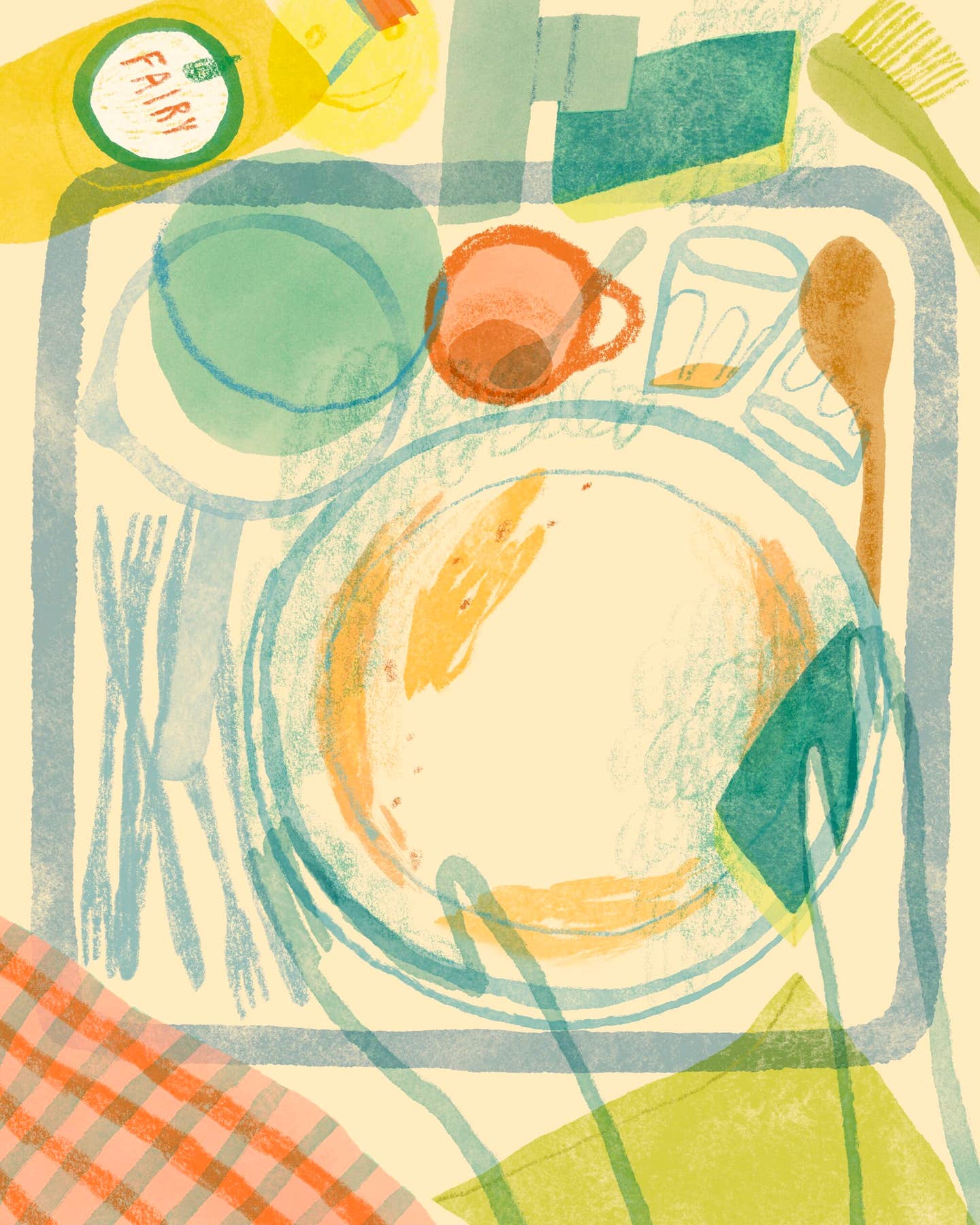

Much like George Orwell, many of us view the post-dinner wreckage clean-up as “uncreative and life-wasting” drudgery. But writer and New York Times book critic Dwight Garner insists, “I get my best thinking done here, far from a blinking cursor, my raw hands plunged into the soapy warmth.” Whether or not you agree with the sentiment, you’re still likely to love this meditation on how so many literary greats have tackled this daily ritual.
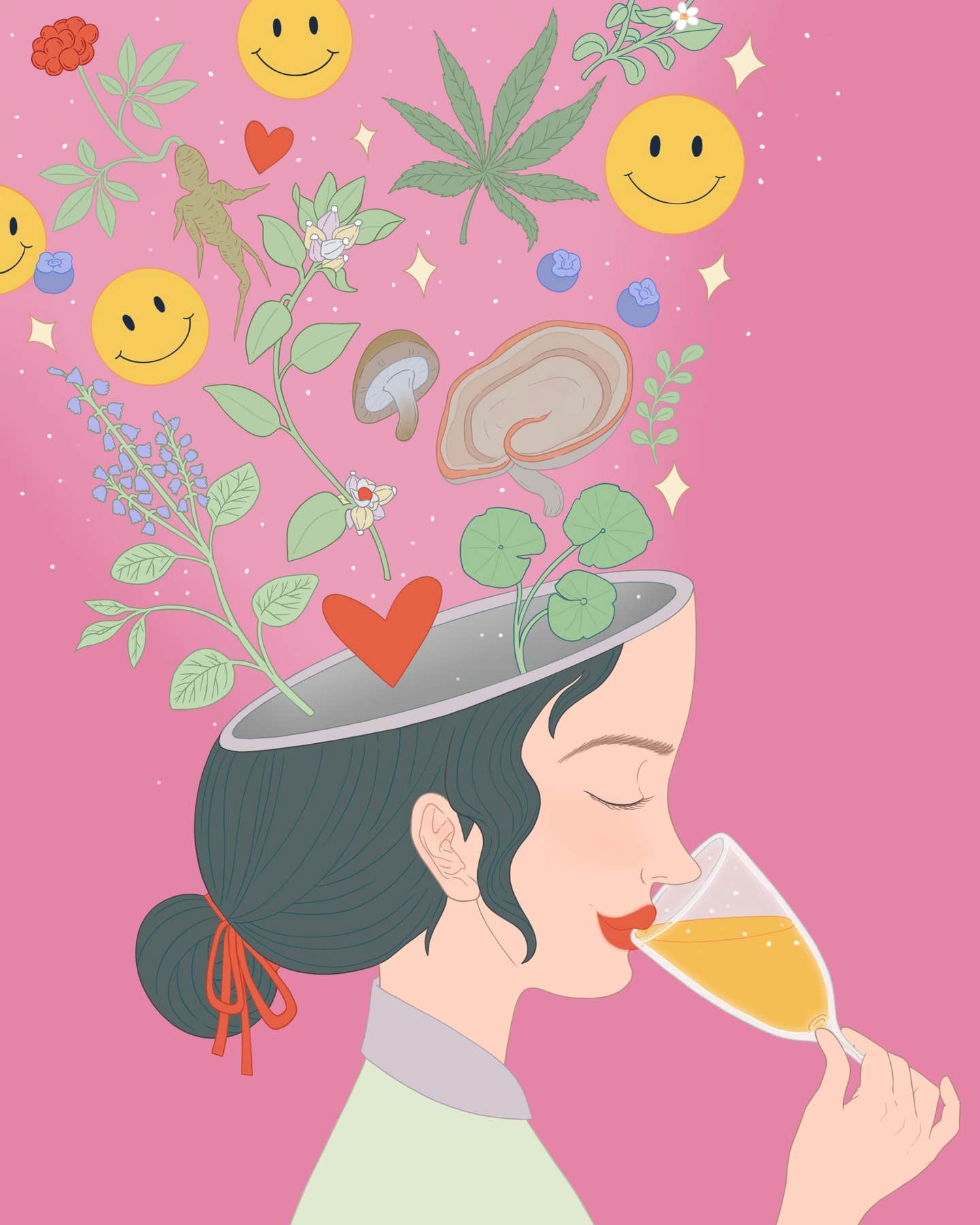

“I love the shift from chaos into ease, the gentle fuzzing of my mind after a day consumed by blue light,” writes Amanda Kohr. As much as she enjoys the soothing quality of an after-work drink, she also recognizes the benefits of taking a break from alcohol. With that in mind, Kohr tests out some of the alternatives spiked with nootropics, adaptogens, and assorted legal stimulants. The results are pleasantly surprising, even if, as she says, “They’re never going to capture that same ‘I’m gonna take this lampshade and put it on my head’ feeling.”
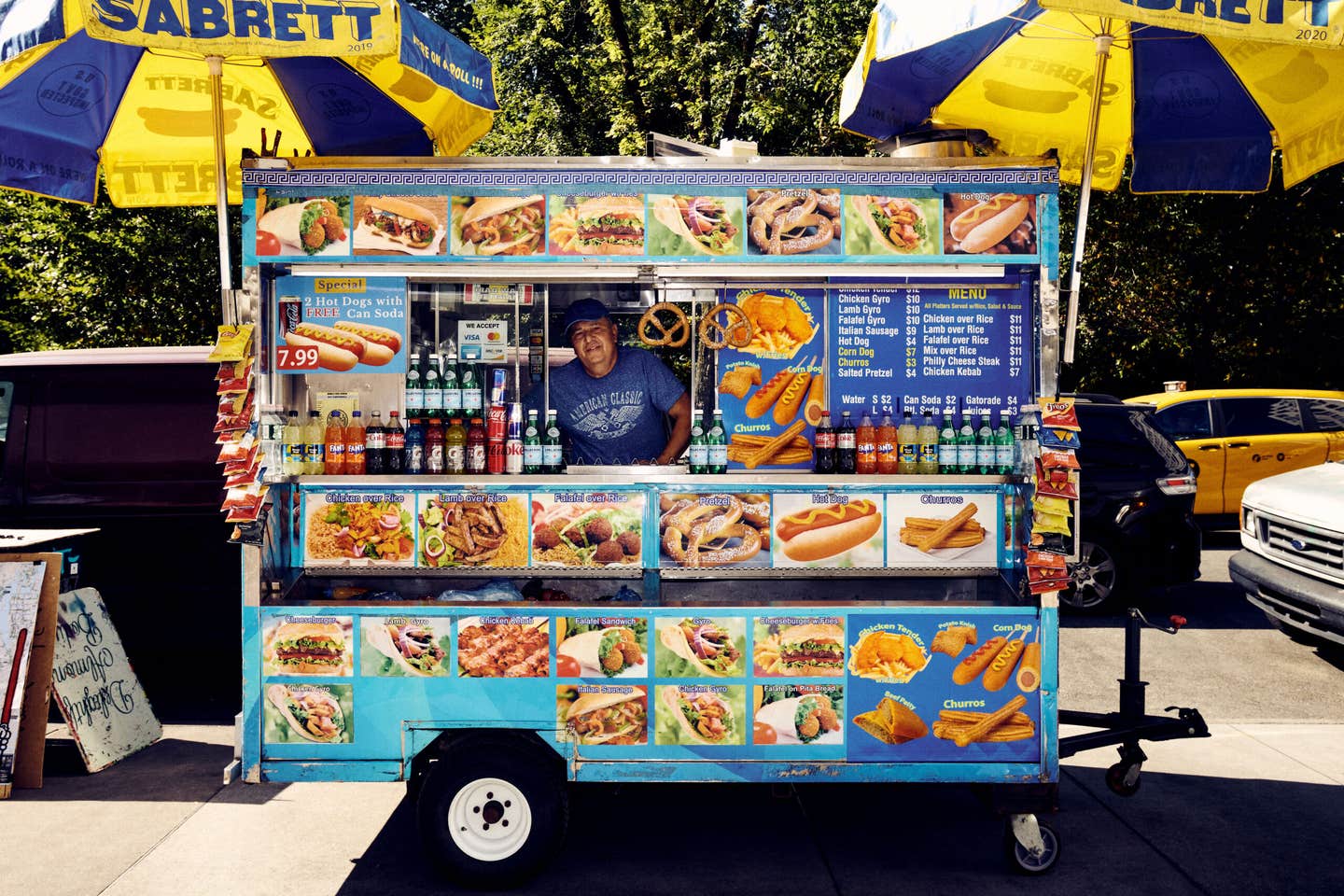

In the pantheon of New York foods, hot dogs cooked in “dirty water” rank right up there with the chopped cheese and the slice. It’s hard to imagine Manhattan without them, and yet, as writer Daniel Modlin warns, “The reality is that this singular expression of edible Americana is slowly vanishing from the streets.” Photographer Murray Hall hit the big city to meet some of the legends, many of whom have been slinging weenies for decades.
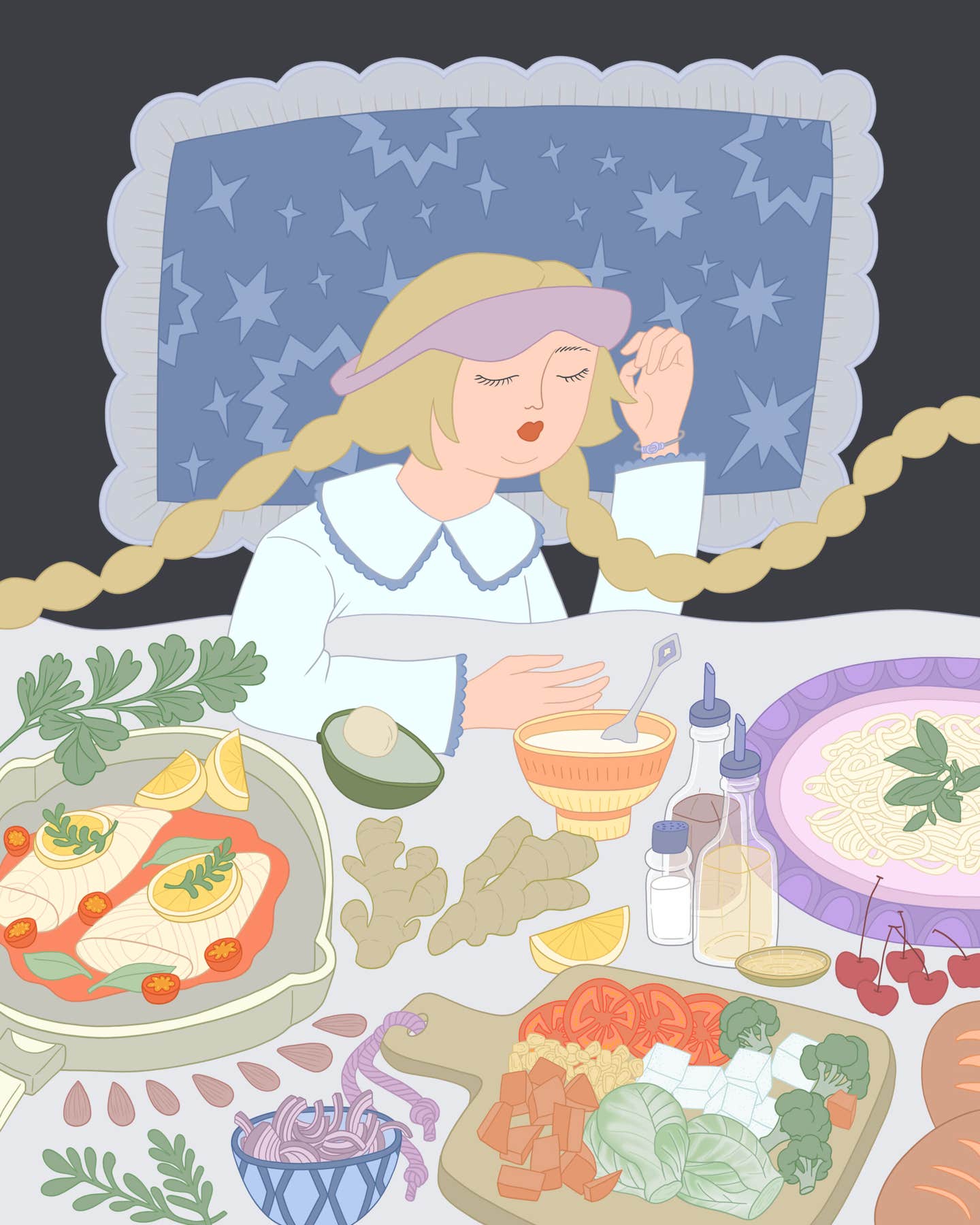

“I have always prided myself on having the energy to burn the candle at both ends,” says writer Betsy Andrews. That was until a reporting trip led to a series of late nights, high-stress deadlines, and long, boozy dinners. “No wonder my microbiome—the city of bacteria in my gut regulating many bodily functions—was freaking out. I had given it no time to recover.” It turns out that gut health impacts getting quality shut-eye, often in surprising ways.
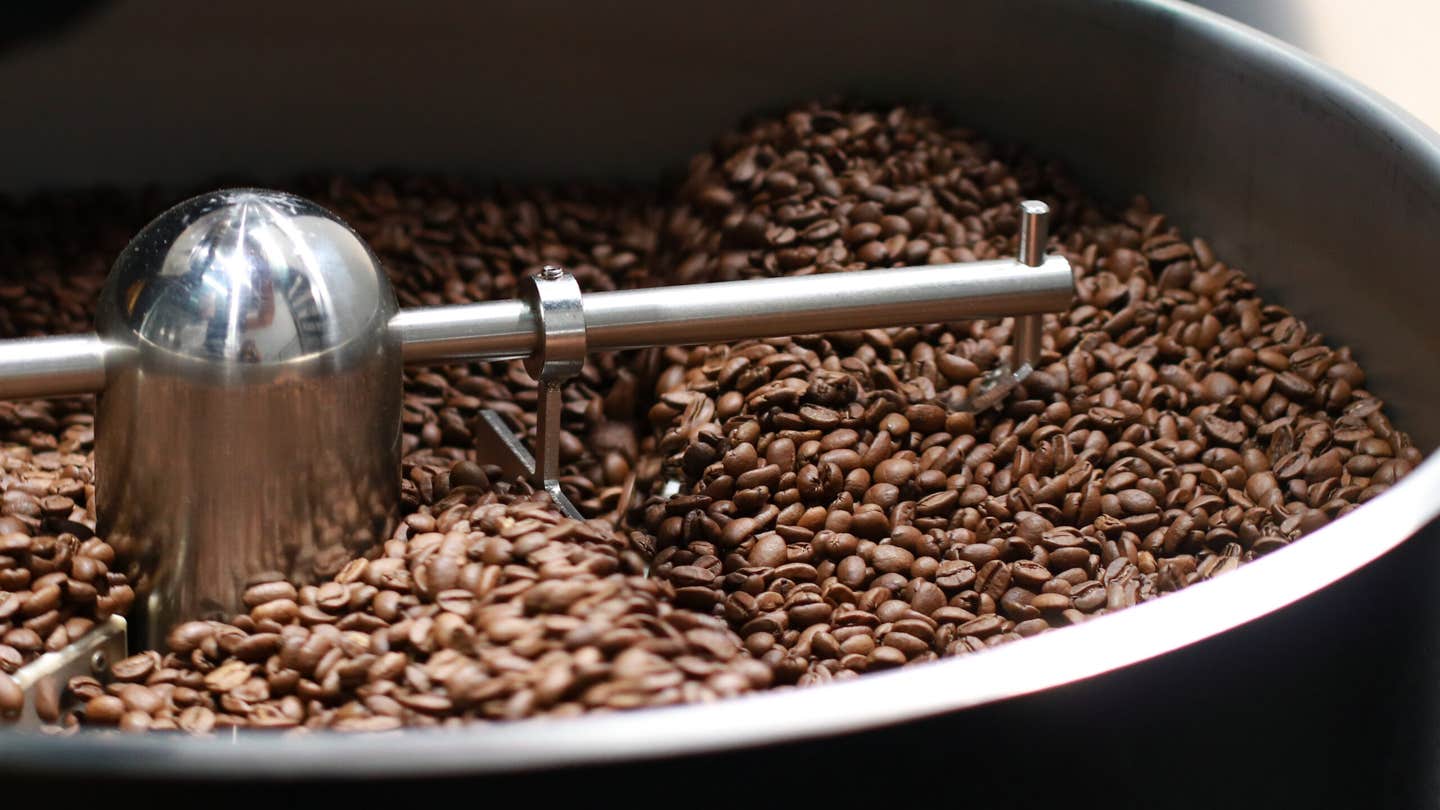

Liberica coffee, which most likely hails from West Africa but thrives in Vietnam, isn’t like any brew you’ve ever tasted. Connoisseurs have picked up notes of black sesame cookies, hoisin sauce, and even melon. Writer Alex Mayyasi goes in search of this rare bean that’s currently making waves among Ho Chi Minh City’s elite baristas.
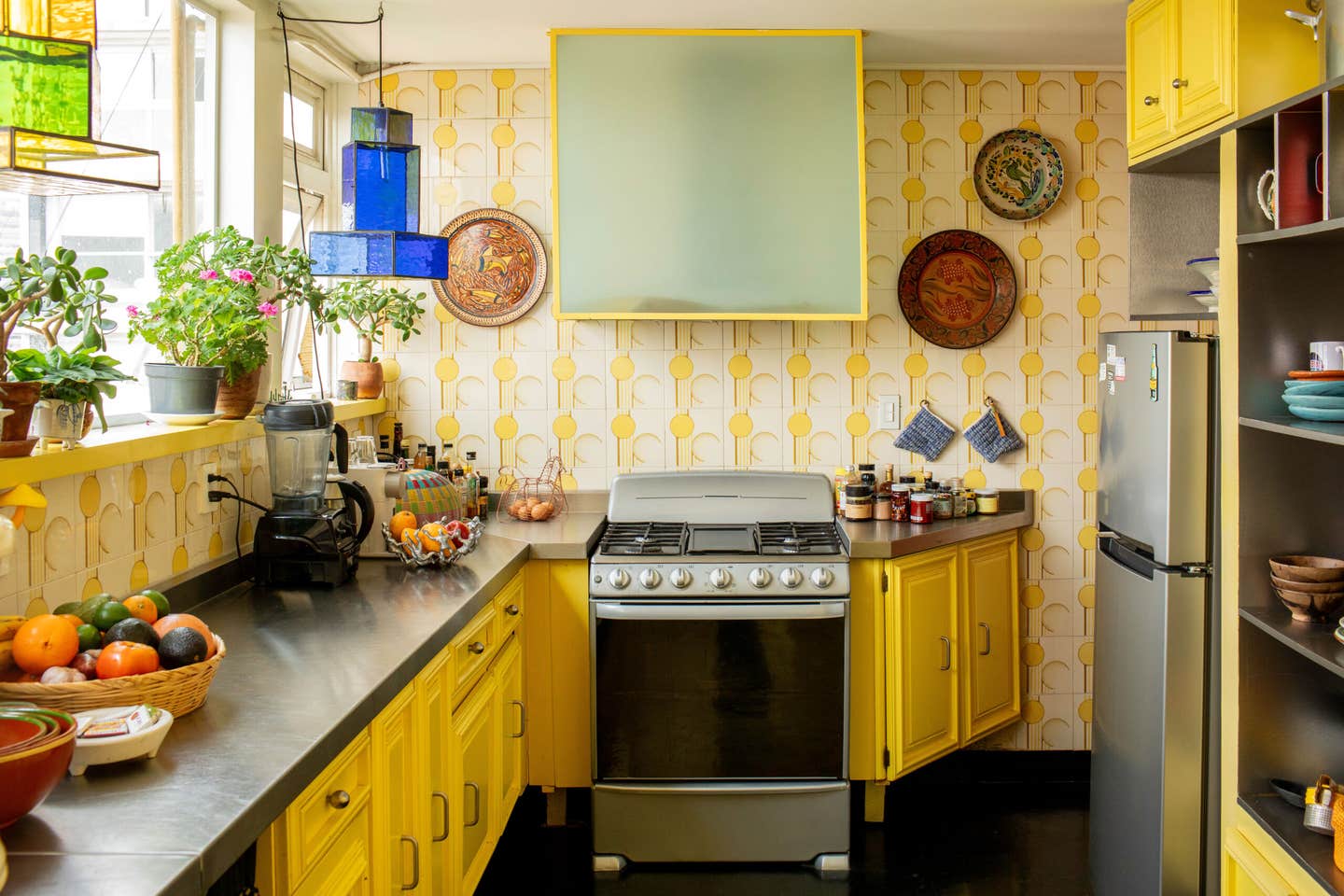

Rodman Primack and Rudy Weissenberg have lent their eye-popping aesthetic to houses all over the world. Writer Kate Berry caught up with the power couple in their colorful residence in Mexico City for a freewheeling conversation about vintage cookbooks, how color creates emotion in space, and why the kitchen is the heart of any home.


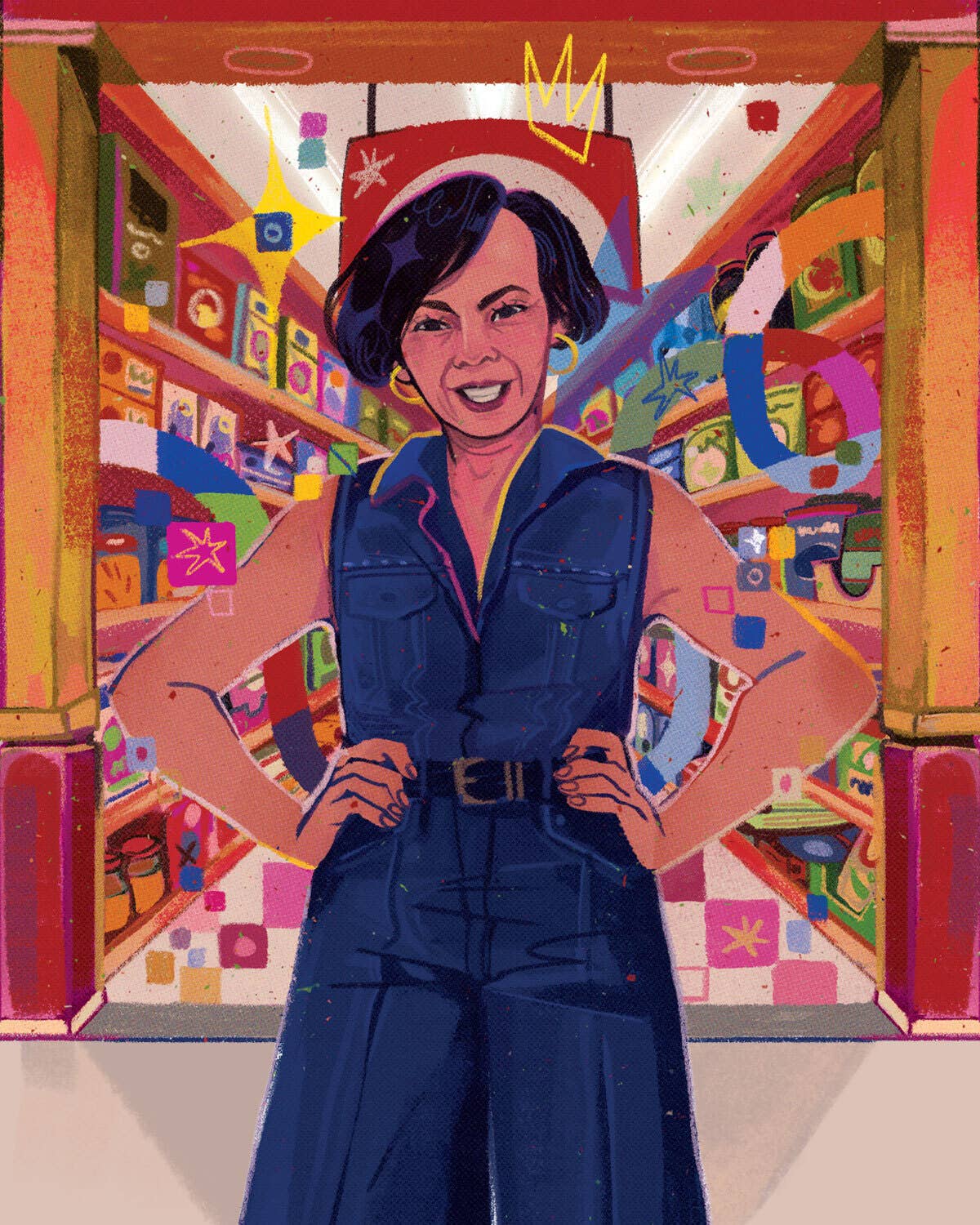
During World War II, when naval blockades rendered many imported foods scarce, banana ketchup soared in popularity in the Philippines, where bananas are abundant and tomatoes are not. For many in the American Filipino diaspora, the sweet, tangy condiment has long been a nostalgic staple—until last year. Writer Leilani Marie Labong delves into the hoarding, price hikes, and widespread shortages that happened after the United States issued an import ban on one of its common ingredients.
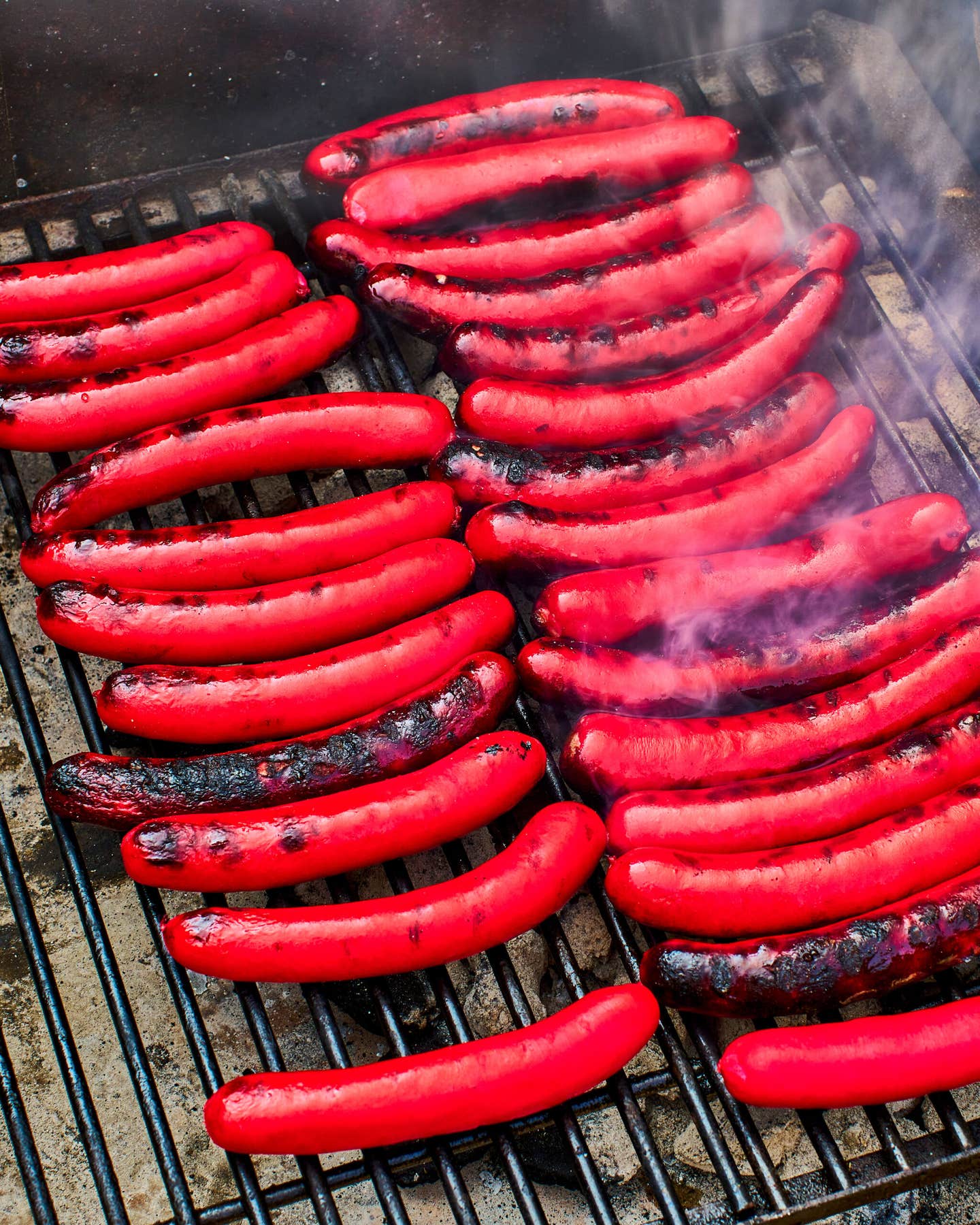

“If you’ve never seen one before, a Maine red snapper looks more like a cartoon than a real food item,” writes SAVEUR assistant editor Ryan McCarthy. These skinny, hot pink sausages have been a staple across the state since the 1930s. While McCarthy was wary of their vibrant hue as a kid, he’s since grown to love them. The electric combo of Red Dye 40 and Red Dye 3 is classic, but for those averse to artificial colors, W.A. Bean & Sons, a Bangor-based family business dating back to 1860, pledged this year to swap in natural (but still vivid) dyes in their snappers.
Keep Reading
Continue to Next Story