The Allure of Pralines Roses, an Eye-Popping Treat From Lyon
Dyed vibrant pink, these candied almonds are a beloved confectionery staple in France’s third-largest city.

By Ryan McCarthy


Published on February 11, 2026

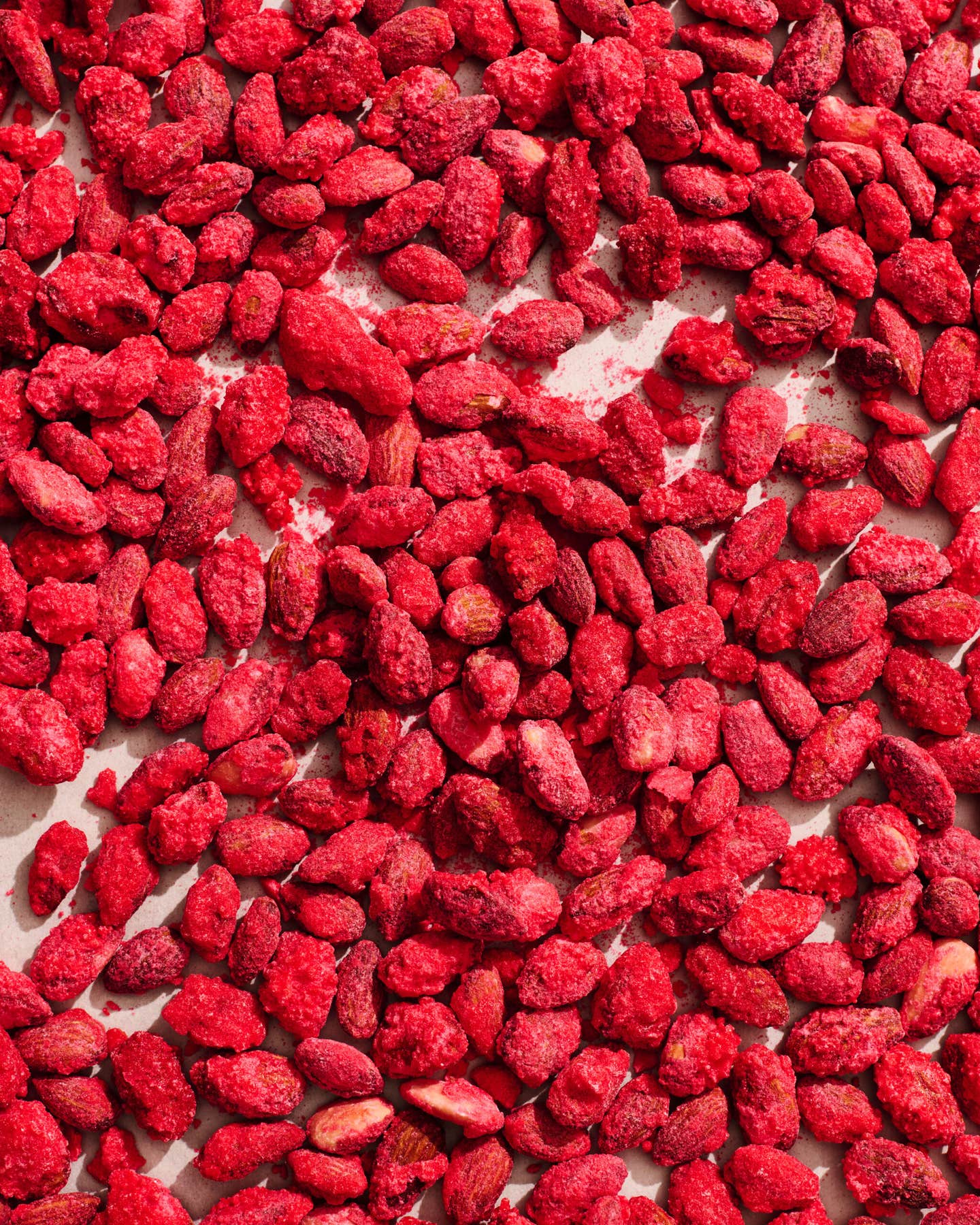
In Lyon, color often comes first: pastel-hued Renaissance façades, terra-cotta roofs, and pops of red are almost everywhere you look. In bakery windows and at market stalls, bowls of glossy pink or crimson almonds catch the light, stacked beside brioches, tarts, and croissants. Known as pralines roses in French, these sugar-coated almonds are one of the city’s most recognizable sweets, and their bright shade is as much a visual marker as a culinary one.

Pralines began simply as caramelized nuts, a confection associated with 17th-century France. The candy is often traced to the kitchen of the Duke of Praslin (hence the name), where almonds were coated in cooked sugar and served as a sweet treat to members of the court. Over time, the candied-nut confection spread across the country and, later, to other French-influenced places like New Orleans).

In eastern France, however, the candy took on a new identity. By the 19th century, confectioners in the Auvergne-Rhône-Alpes region began tinting their sugar syrup red using cochineal, a natural dye derived from insects. The shift was as decorative as it was practical: The otherwise ordinary candy immediately stood out on crowded shop counters.

Although pralines roses may not have been invented in Lyon, they became associated with the city through its bakeries, pastry shops, and famous candy houses. Chocolatier François Pralus helped popularize the treat with the creation of La Praluline, a brioche bun studded with the pink nuts. Nearby, another famous candymaker, Voisin, also produces its own pralines roses. Each confectioner offers a slightly different take on the candy.

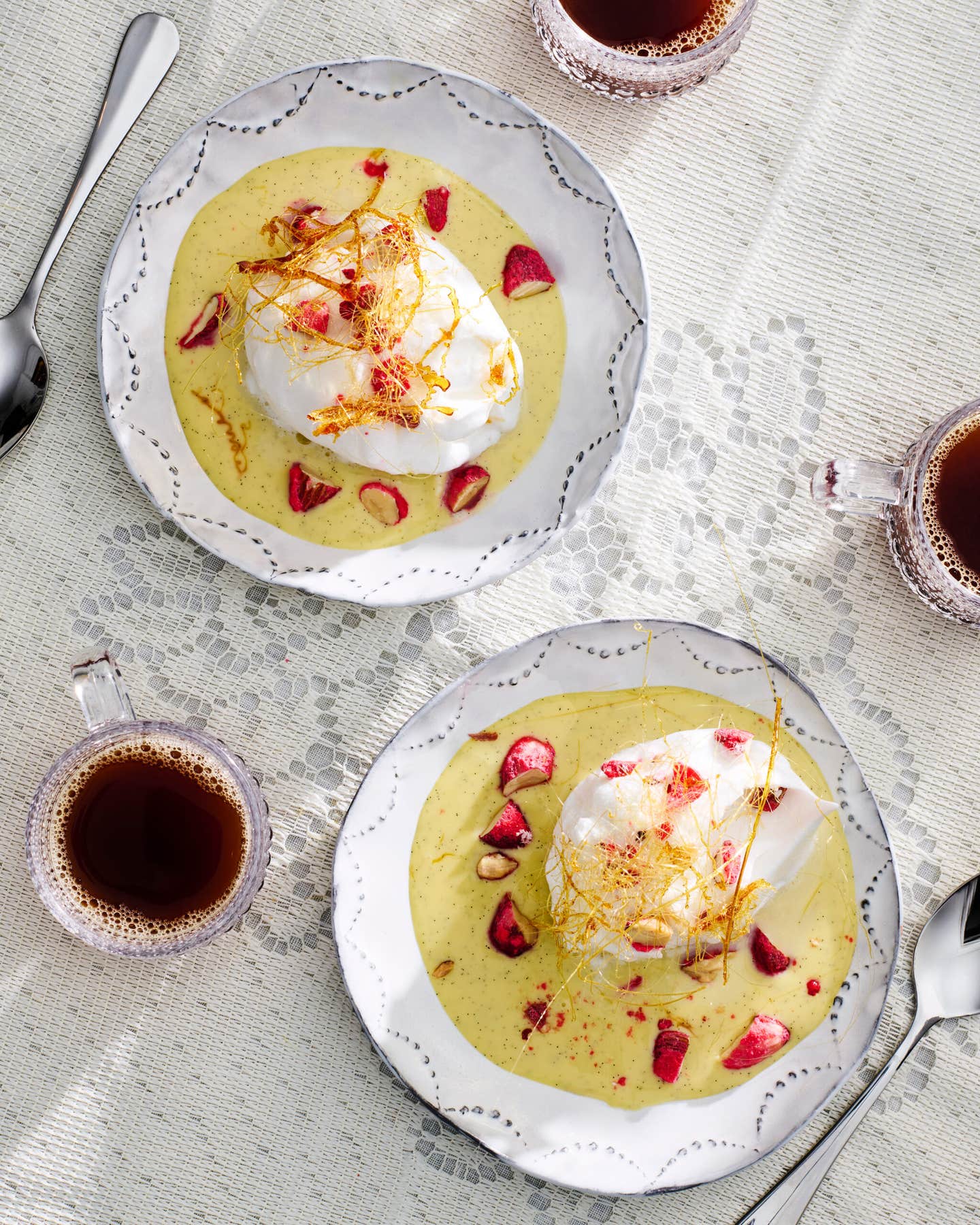
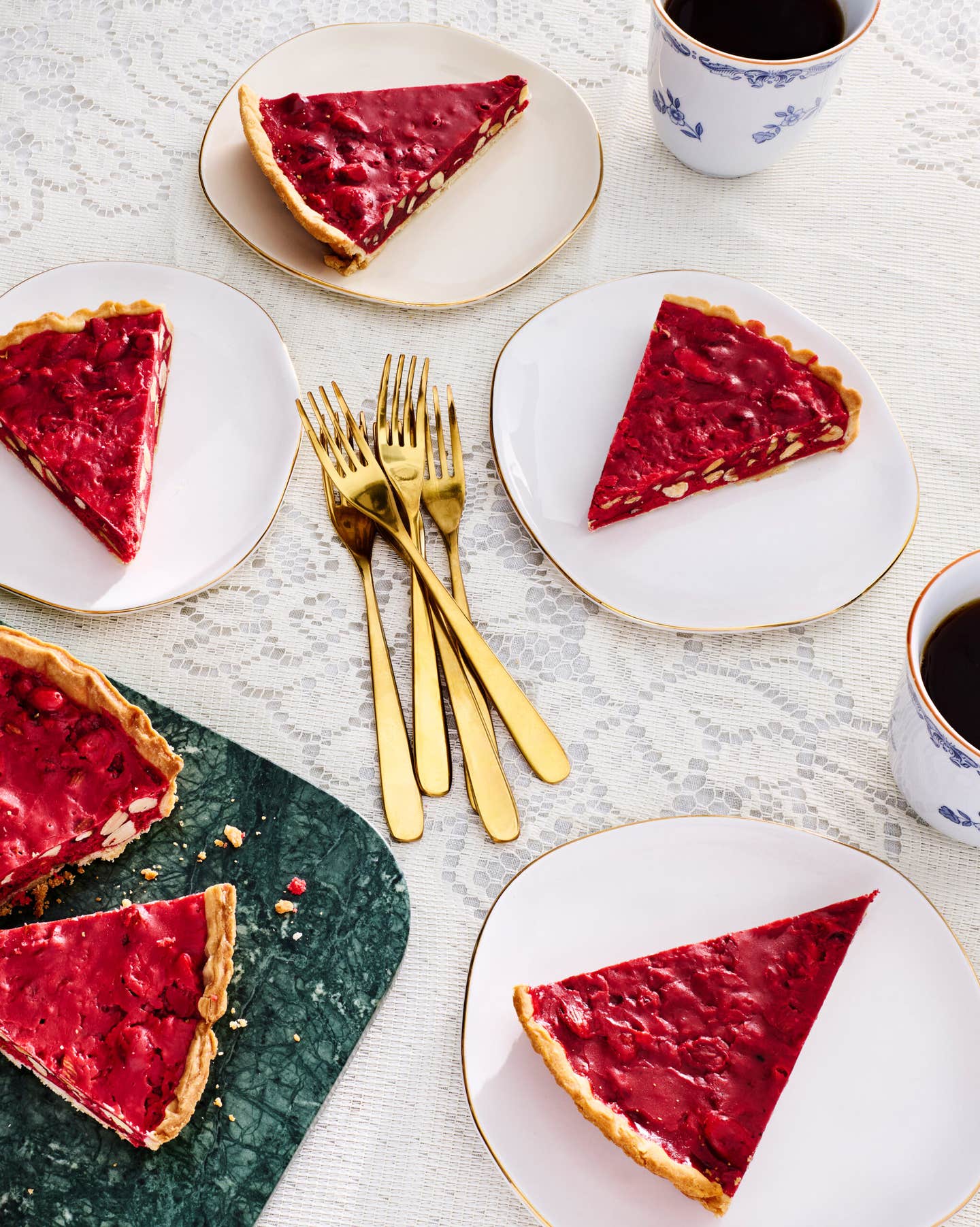
Chef Daniel Boulud, a native of Lyon, grew up with the confection. “Every Sunday my family would go to the bakery to buy brioche aux pralines, which we would enjoy for breakfast or dessert,” he says. “It was a weekly ritual.” The pralines move easily between candy jars and pastry cases, where they’re chopped and folded into bread dough or melted into a filling for the city’s signature tarte aux pralines roses. Their color carries through every stage, tinting creams and custards and giving finished pastries an unmistakable hue. “Today, pralines are also used in ice creams, cakes, and many other desserts,” Boulud says. “When I was a child, I especially loved île flottante. The melted sugar created a wonderful candy-like flavor that’s very distinctive.” 

From one shop to the next, the shade of pink may deepen or soften and the almonds may be finely chopped or left whole. What remains constant is their role in the city’s visual and culinary landscape. More than a candy, pralines roses function as a kind of edible emblem, linking modern pastry cases to a longer history of candymaking, regional pride, and the enduring rituals of the bakery window.

Recipes
Pralines Roses
Île Flottante (Meringue Floating in Crème Anglaise)
Photo: Murray Hall • Food Styling: Ben Weiner
Tarte aux Pralines Roses
Photo: Murray Hall • Food Styling: Ben Weiner
Pralines Roses Candied Almonds Lyon
PHOTO: MURRAY HALL • FOOD STYLING: BEN WEINER
Culture

The Allure of Pralines Roses, an Eye-Popping Treat From Lyon

Dyed vibrant pink, these candied almonds are a beloved confectionery staple in France’s third-largest city.

By Ryan McCarthy


Published on February 11, 2026

In Lyon, color often comes first: pastel-hued Renaissance façades, terra-cotta roofs, and pops of red are almost everywhere you look. In bakery windows and at market stalls, bowls of glossy pink or crimson almonds catch the light, stacked beside brioches, tarts, and croissants. Known as pralines roses in French, these sugar-coated almonds are one of the city’s most recognizable sweets, and their bright shade is as much a visual marker as a culinary one.

Pralines began simply as caramelized nuts, a confection associated with 17th-century France. The candy is often traced to the kitchen of the Duke of Praslin (hence the name), where almonds were coated in cooked sugar and served as a sweet treat to members of the court. Over time, the candied-nut confection spread across the country and, later, to other French-influenced places like New Orleans).

In eastern France, however, the candy took on a new identity. By the 19th century, confectioners in the Auvergne-Rhône-Alpes region began tinting their sugar syrup red using cochineal, a natural dye derived from insects. The shift was as decorative as it was practical: The otherwise ordinary candy immediately stood out on crowded shop counters.

Although pralines roses may not have been invented in Lyon, they became associated with the city through its bakeries, pastry shops, and famous candy houses. Chocolatier François Pralus helped popularize the treat with the creation of La Praluline, a brioche bun studded with the pink nuts. Nearby, another famous candymaker, Voisin, also produces its own pralines roses. Each confectioner offers a slightly different take on the candy.

Chef Daniel Boulud, a native of Lyon, grew up with the confection. “Every Sunday my family would go to the bakery to buy brioche aux pralines, which we would enjoy for breakfast or dessert,” he says. “It was a weekly ritual.” The pralines move easily between candy jars and pastry cases, where they’re chopped and folded into bread dough or melted into a filling for the city’s signature tarte aux pralines roses. Their color carries through every stage, tinting creams and custards and giving finished pastries an unmistakable hue. “Today, pralines are also used in ice creams, cakes, and many other desserts,” Boulud says. “When I was a child, I especially loved île flottante. The melted sugar created a wonderful candy-like flavor that’s very distinctive.” 

From one shop to the next, the shade of pink may deepen or soften and the almonds may be finely chopped or left whole. What remains constant is their role in the city’s visual and culinary landscape. More than a candy, pralines roses function as a kind of edible emblem, linking modern pastry cases to a longer history of candymaking, regional pride, and the enduring rituals of the bakery window.

Recipes

Pralines Roses
Île Flottante (Meringue Floating in Crème Anglaise)
Photo: Murray Hall • Food Styling: Ben Weiner
Tarte aux Pralines Roses
Photo: Murray Hall • Food Styling: Ben Weiner

Continue to Next Story

Want more SAVEUR?

Get our favorite recipes, stories, and more delivered to your inbox.