3 Festive Eid Desserts by Way of Bahrain and New York
Librae Bakery founder Dona Murad reimagines the recipes she grew up with, showing how flavors can evolve across generations.
Whether Dona Murad is celebrating Eid al-Fitr behind the counter at Librae Bakery, the New York City shop she cofounded, or at her mother’s home thousands of miles away in Dubai, the rhythms and rituals of the holiday—and the multiple places she belongs to—stay with her. Borders, Murad suggests, often feel more rigid than the cultures that flow across them. This fluidity exists for ordinary people, even as war restricts physical movements and threatens day-to-day life. At Librae, Murad channels that cultural permeability into something communal and sustaining.
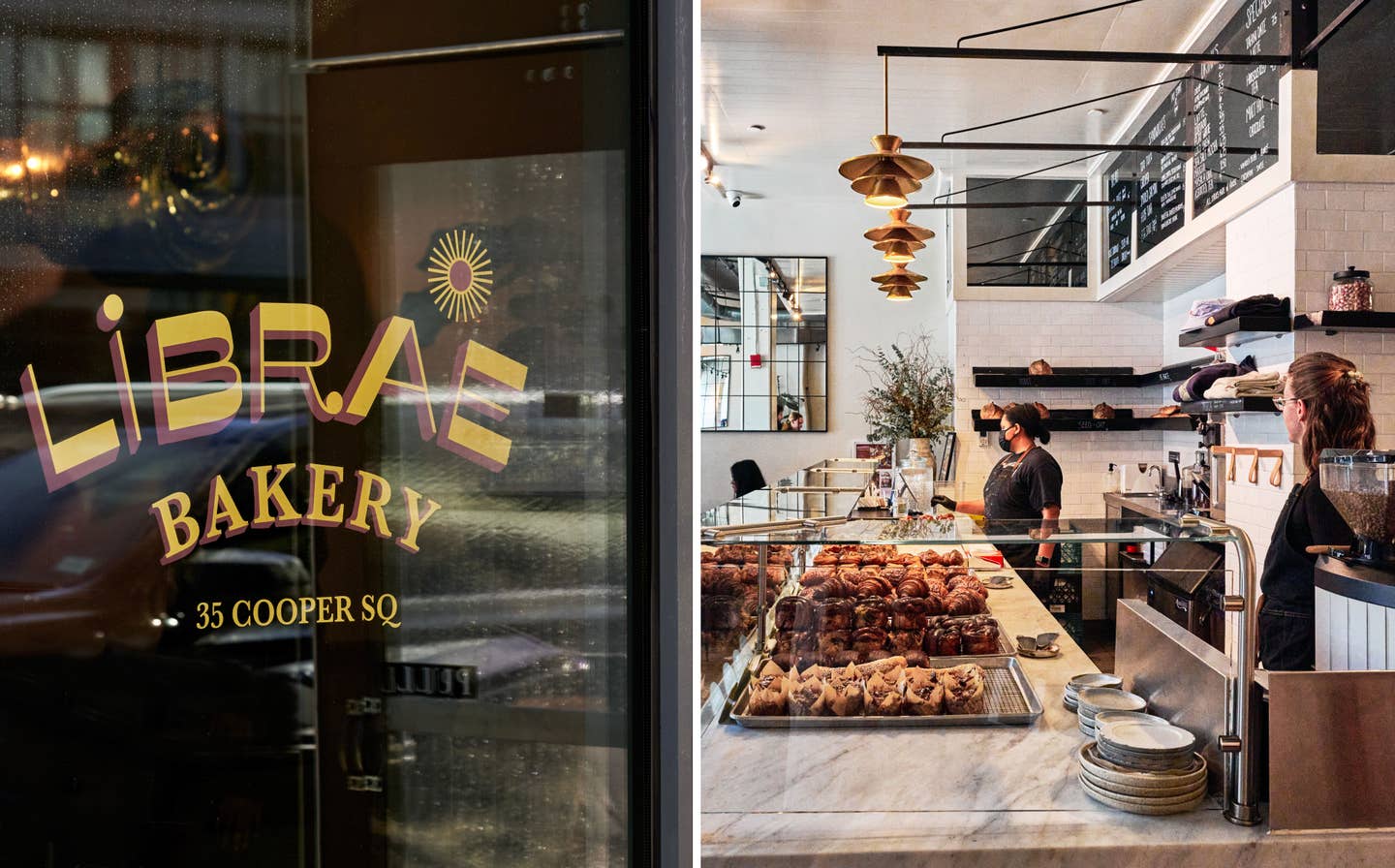

Librae has many influences, owed to Murad’s Bahraini (“there’s sesame in everything”) and Indian (“you wouldn’t think Indian spices and desserts go together, but they do”) heritage. The desserts feel at once familiar and surprising. The popular loomi babka is flecked with black lime—a typical ingredient in savory Middle Eastern, Persian, and Gulf dishes—and filled with lemon curd. (During the research phase for the pastry, Murad brought the black lime back from Bahrain in her suitcase.) A rose pistachio croissant is perfumed with rose water, an ingredient so ubiquitous across the Middle East and South Asia that it’s as integral to food as it is to skincare routines. A twice-baked croissant filled with chocolate and halva, the Middle Eastern sesame confection, is finished with black and white sesame seeds in a quiet nod to N.Y.C.’s black and white cookie.
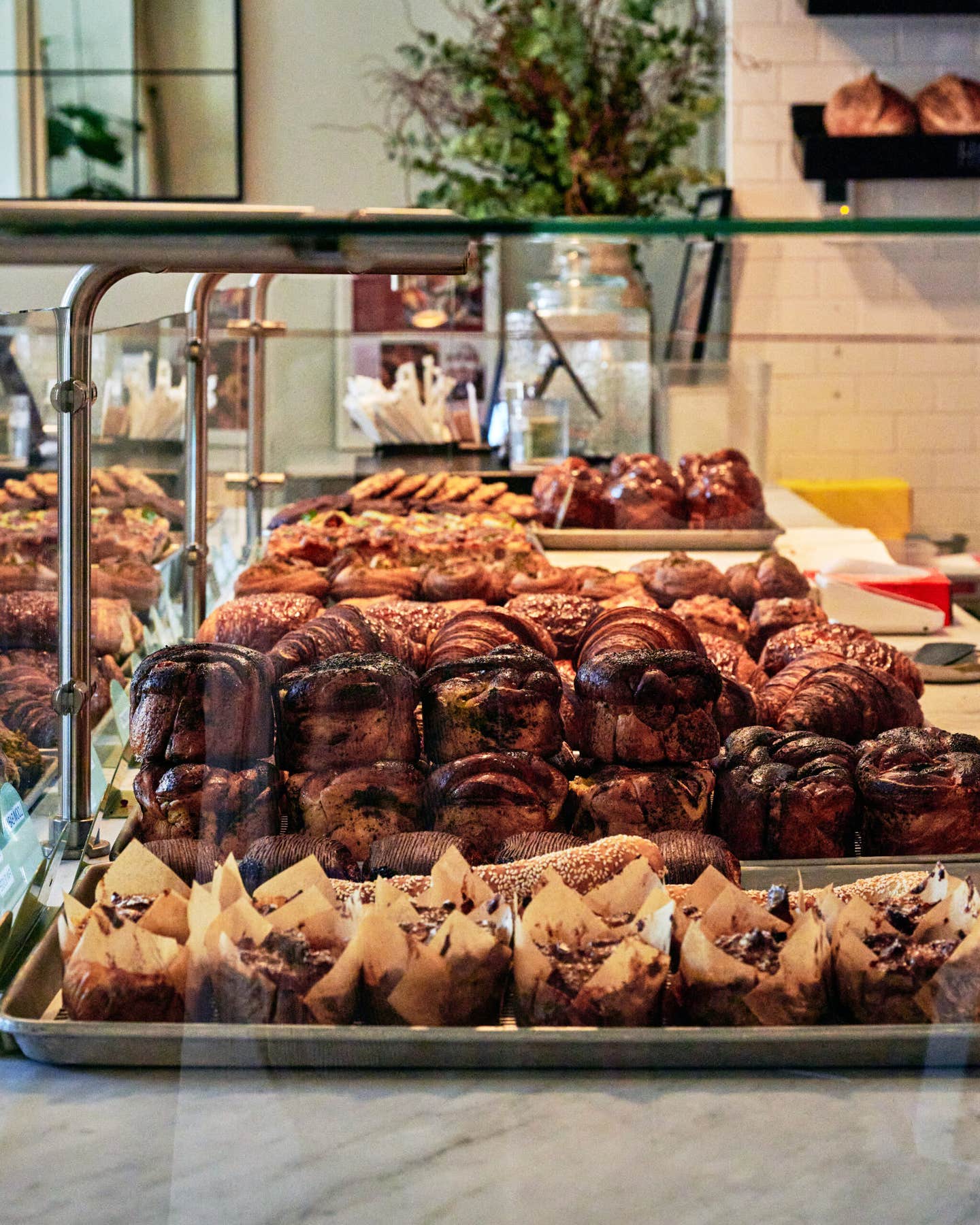

Served only on weekends at the bakery, this croissant is also inspired by Murad’s Eid mornings at home in Bahrain—before the doorbell rang and guests arrived for brunch, afternoon tea, or dinner. Her father would split warm flatbread from the local bakery, tuck slabs of halva (or, as it’s known in Bahrain, rahash) inside, and drizzle honey over top; it melted into something soft, sweet, and faintly nutty. It was the first of many delectable ways Murad’s family marked the end of Ramadan and 30 days of fasting. Murad took the elements of this beloved treat and did something a little different with it at Librae. “This is how we evolve and adapt our traditional foods for our tables,” she says. Garam masala and black lime share space in her pantry. Tahini finds its way into laminated Danish dough.
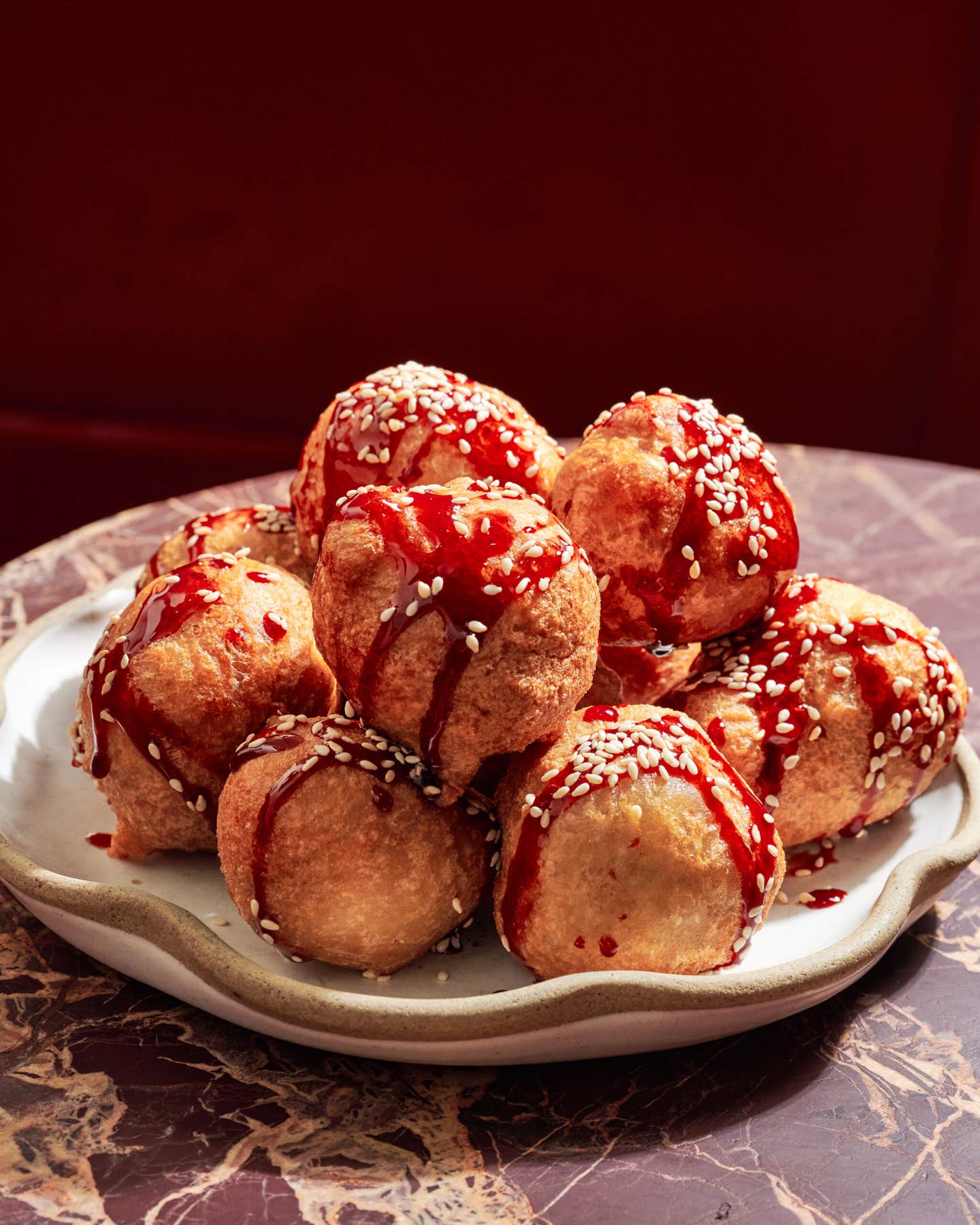

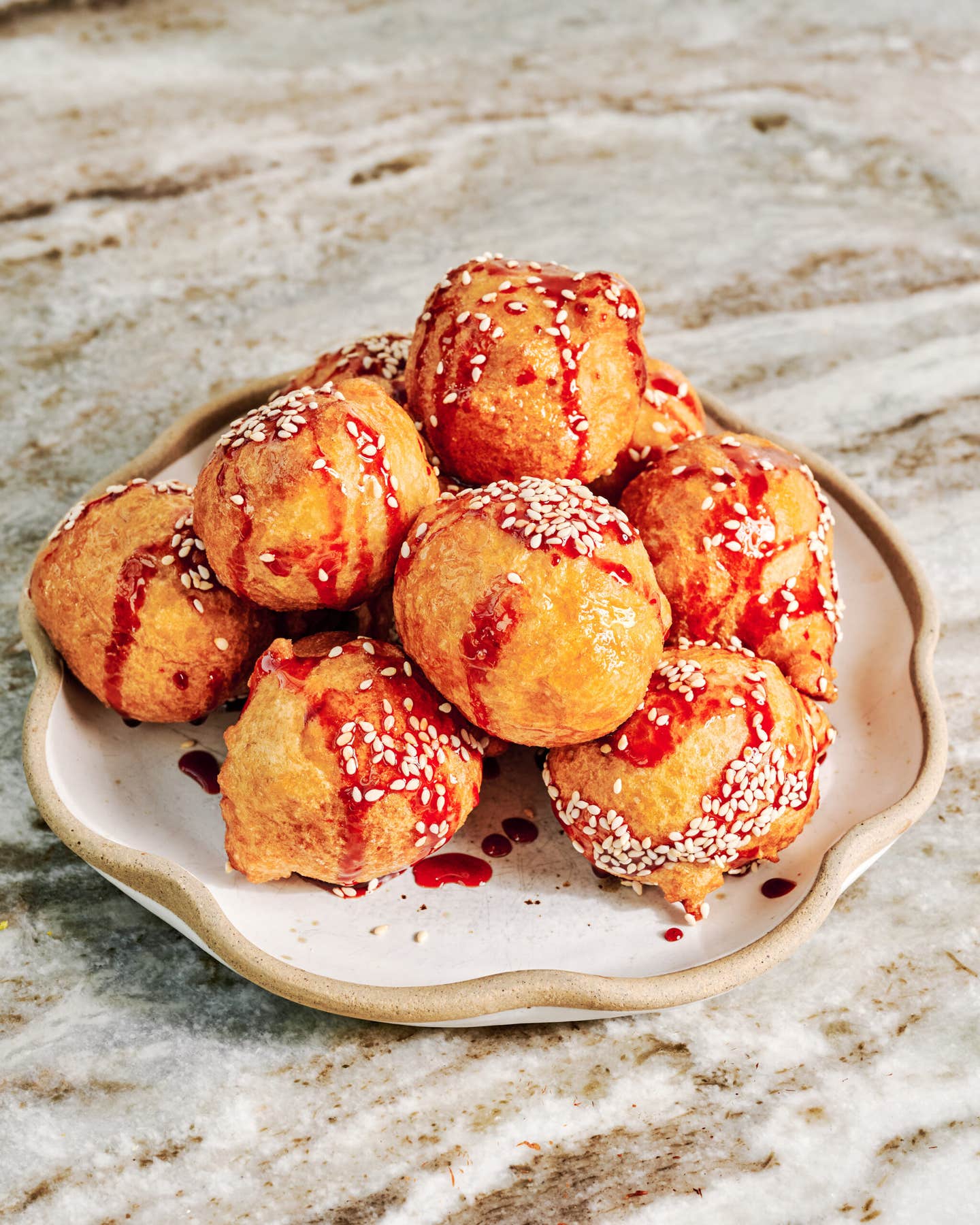
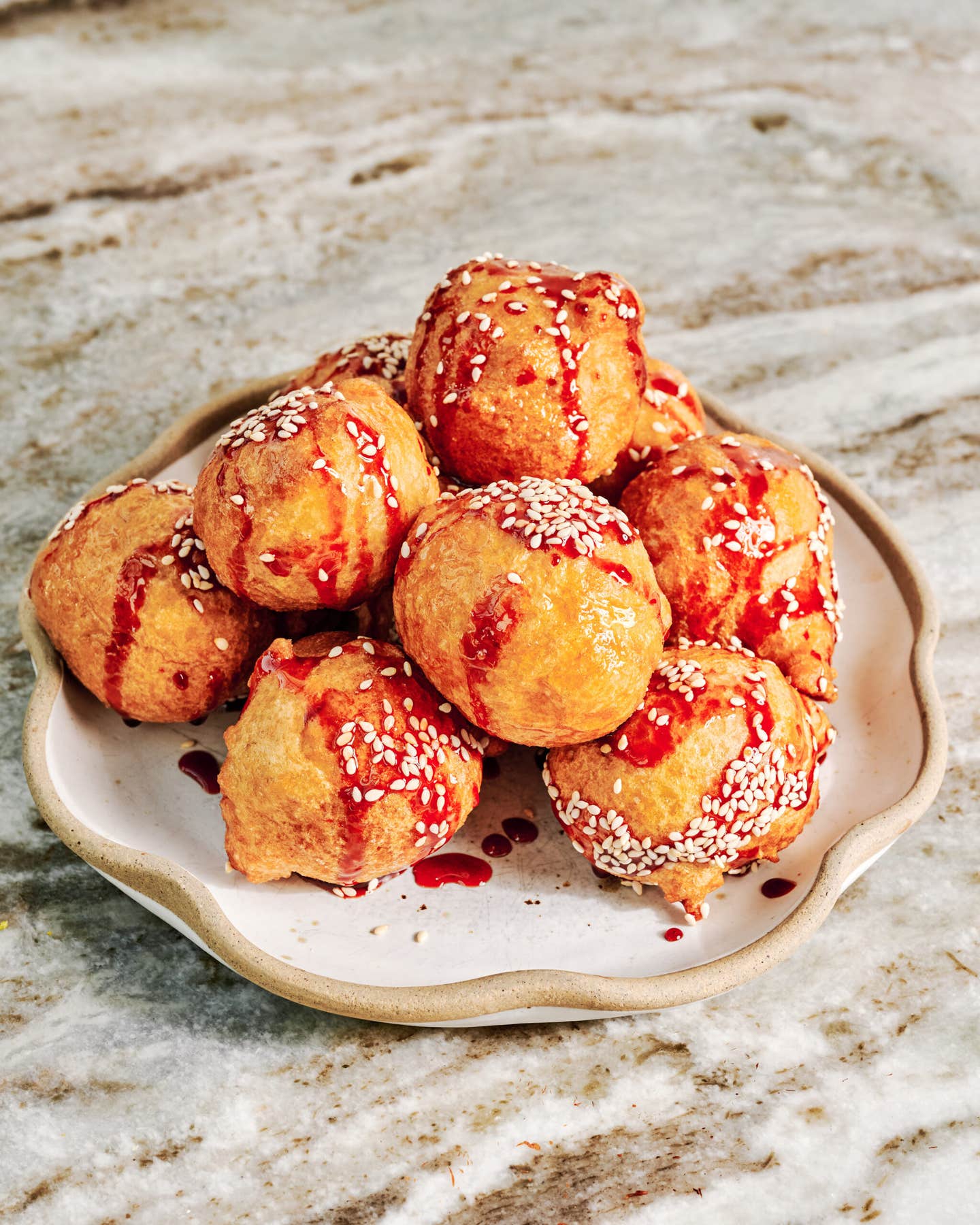
This idea of evolving a traditional recipe is not new in Murad’s family. Her mother put her own spin on luqaimat, the sweet fritters popular across the Persian Gulf. “Every household makes things a little differently,” Murad says. “In mine, the luqaimat are drenched in floral honey instead of date syrup, and my mother adds ground fennel seeds to the batter instead of saffron or cardamom. She also adds a couple of tablespoons of yogurt.” Murad pauses and laughs a little before adding: “Don’t tell my mother I’m sharing this secret ingredient!”
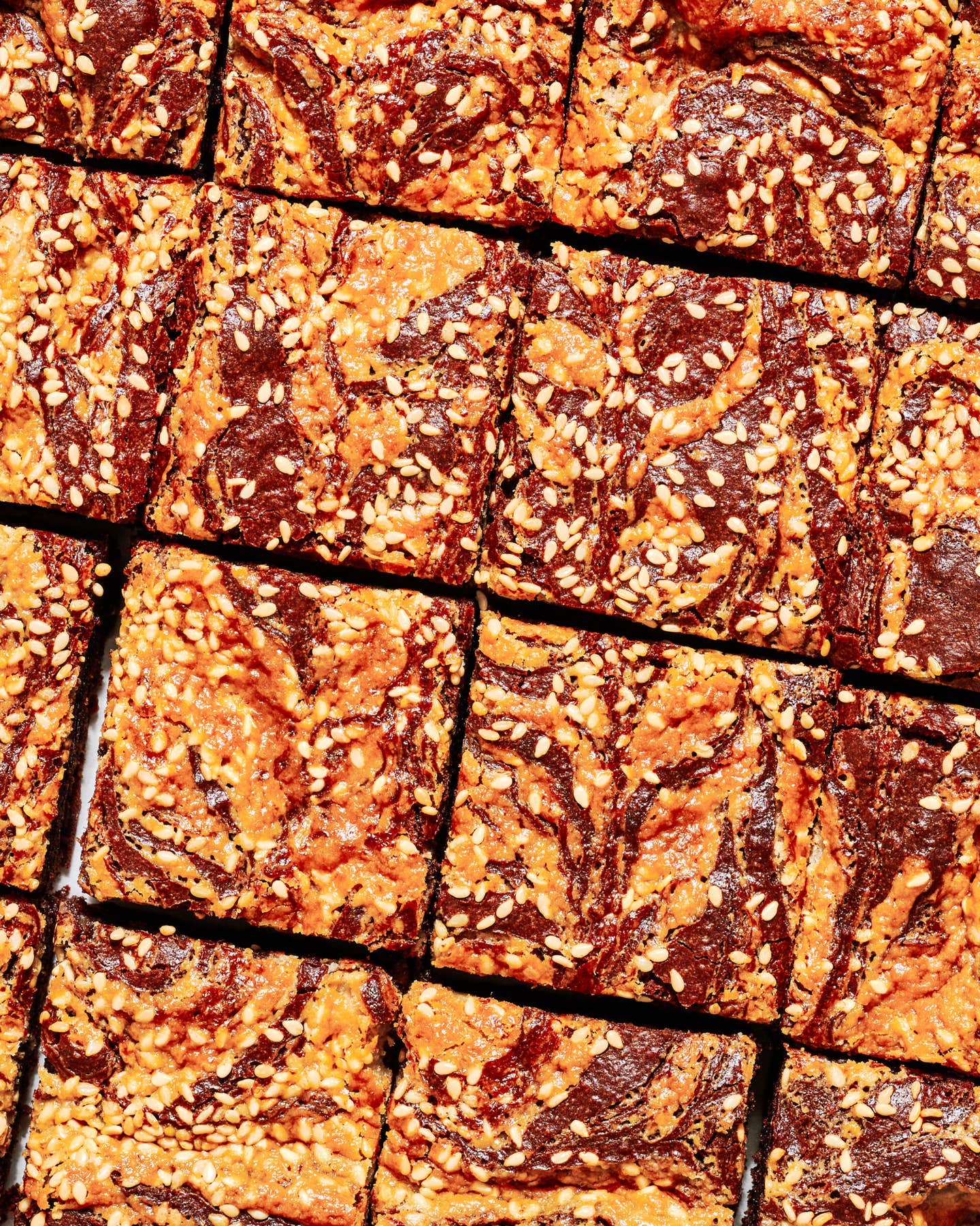

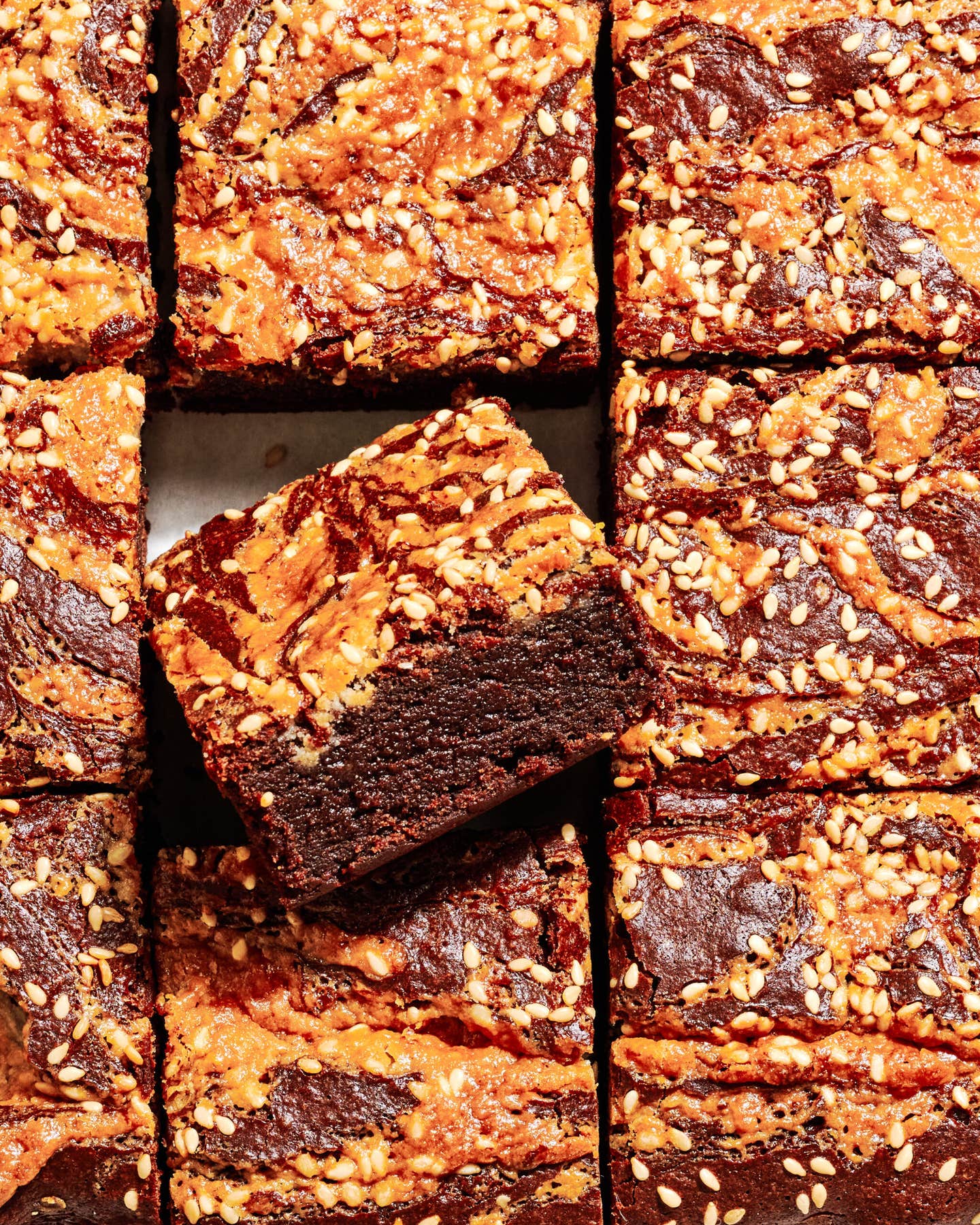
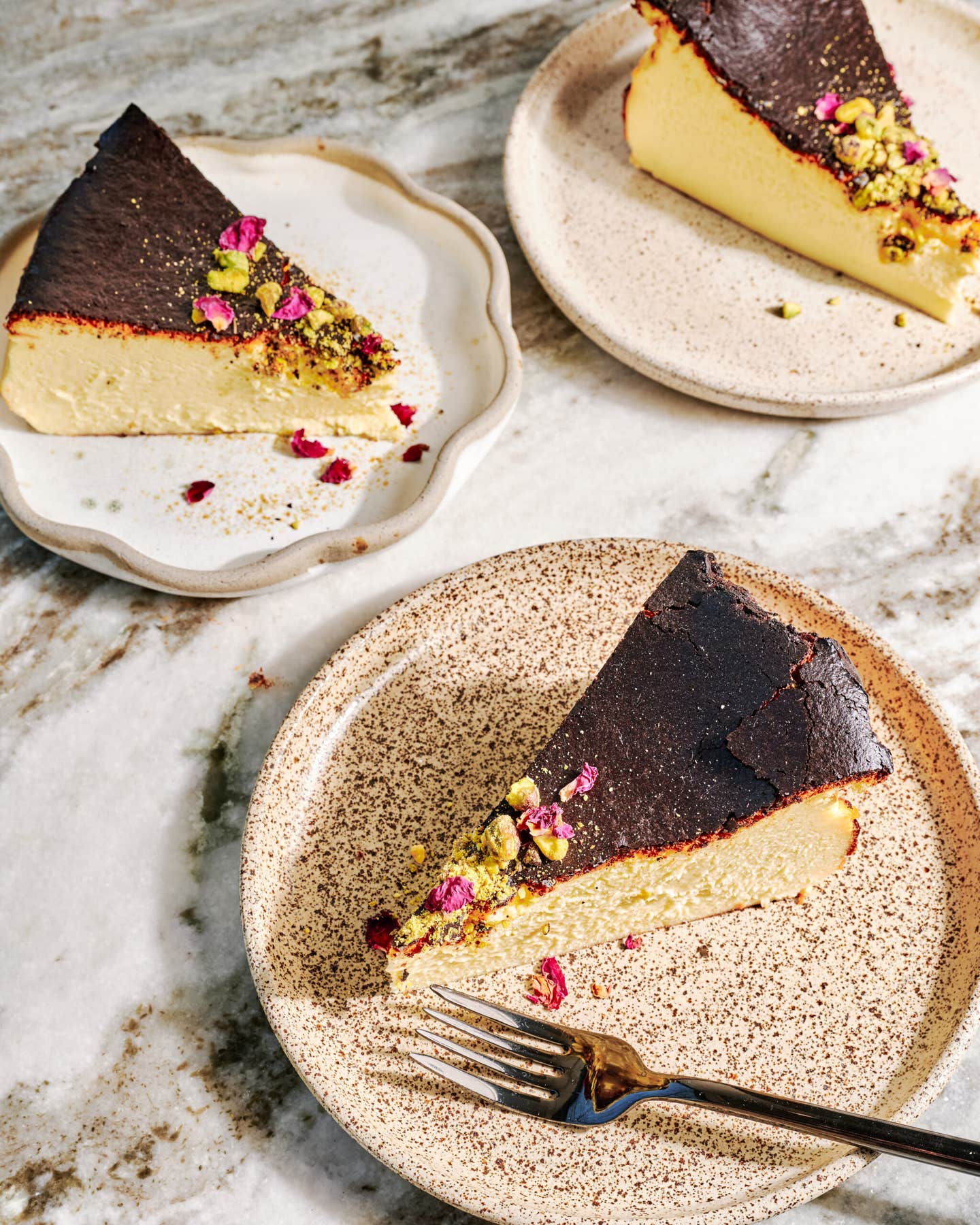
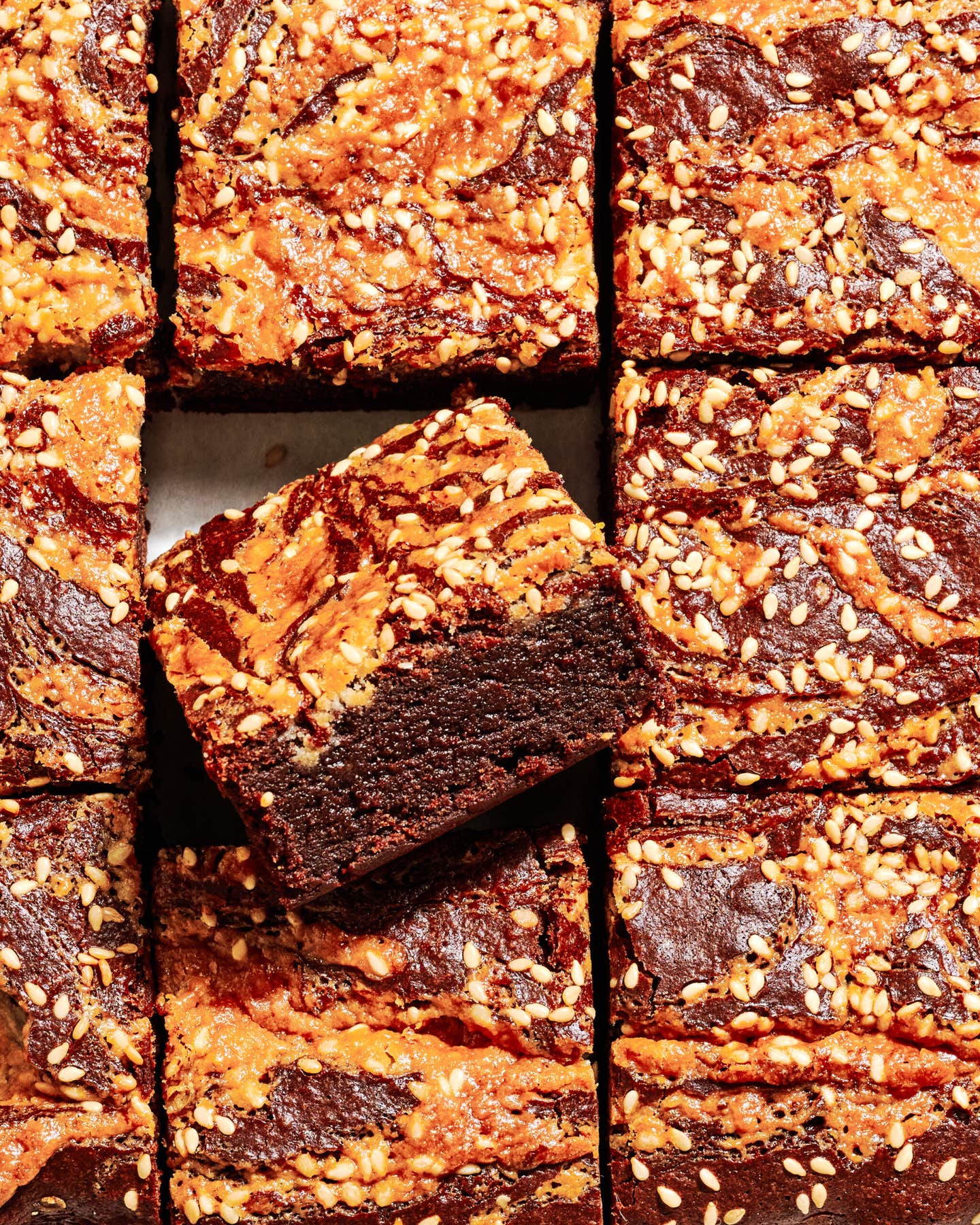
Murad is carrying this concept of varied and evolving traditional foods to her own Eid table this year with three different desserts: luqaimat with saffron date syrup (a departure from her mother’s recipe), halva swirl brownies, and a muhalabia Basque cheesecake. The rahash brownie is not, Murad is quick to clarify, an attempt to modernize the brownie itself. “A brownie is a brownie,” she says. Instead, the recipe is about using flavors to capture a moment in time or evoke a memory. By folding halva into dark chocolate and sesame, she creates a nostalgic dish for people who grew up with rahash, brownies, or, as often is the case at Librae, both. The result is less a reinvention than a translation—it’s a way of honoring a traditional Eid dessert through something that’s already beloved and understood.
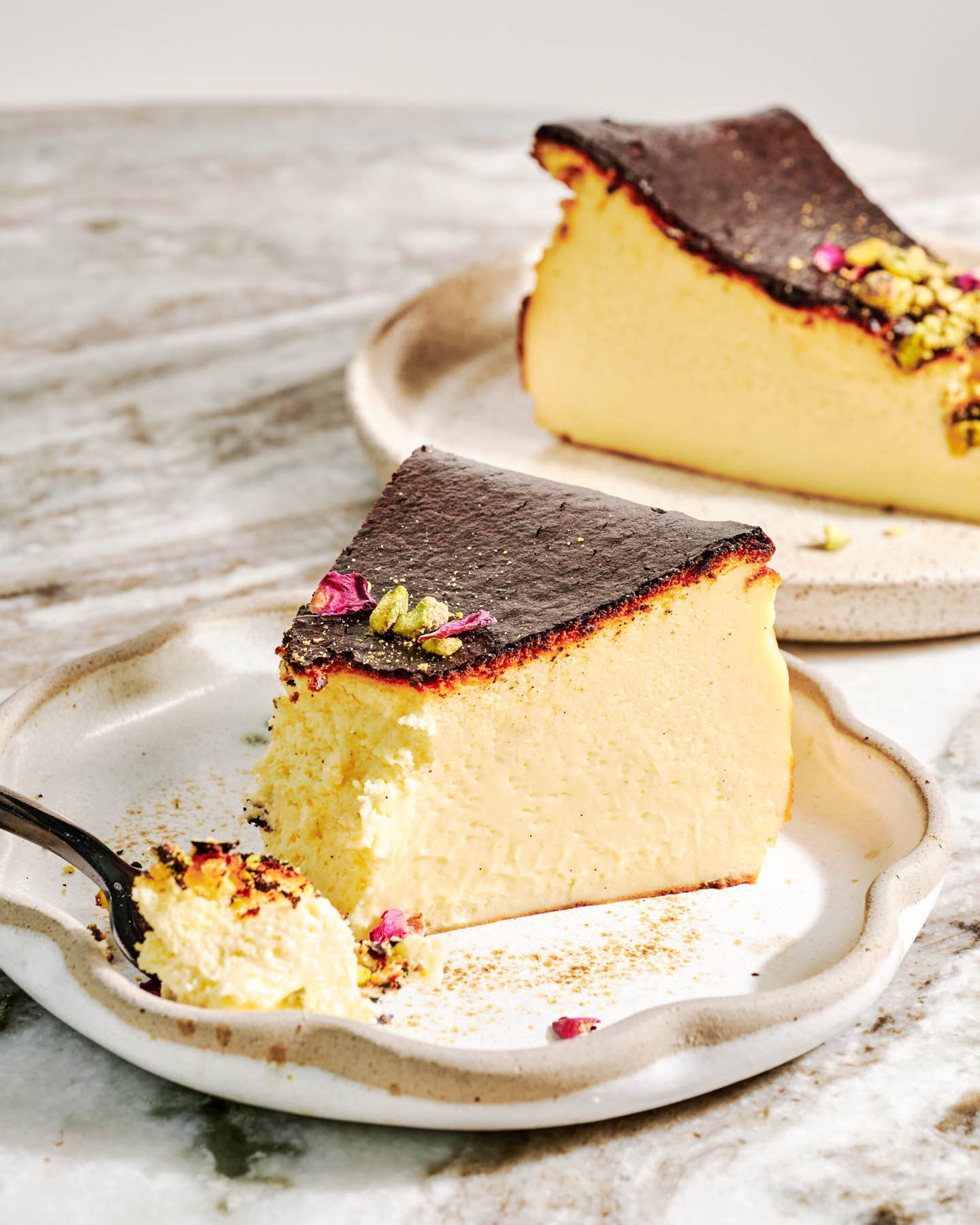

The muhalabia Basque cheesecake follows a similar logic. At Librae, the classic Basque cheesecake is already a fixture prized for its signature top and custardy center. For Murad, the dessert’s appeal lies in texture as much as flavor. “It’s beautiful because it’s creamy,” she says, describing the way its soft interior echoes the silkiness of muhalabia, the milk pudding perfumed with rose or orange blossom that often appears at celebrations in homes across the Middle East.
Though this year Murad is celebrating Eid at her parents’ home in Dubai, when she’s in N.Y.C., her favorite place to be on Eid morning is behind the counter at Librae. “There’s something so sweet about seeing everyone in their traditional dress after prayers, enjoying one of our Eid specials together. I’m so grateful for those moments,” she says.
Recipes



Keep Reading


Continue to Next Story