Mastering the Art of the Cheese Cart: Your New Go-To Holiday Tradition
How to upgrade your cheese board into an interactive, showstopping presentation.



The holidays are made for wheeling and dealing. No, not bartering at a white elephant party—wheeling cheese around your home. Instead of a stagnant cheese board, try taking a fine-dining tradition for a spin by curating a cheese cart—an interactive and eye-catching bounty. Wheels-on-wheels entertainment can add liveliness to any party as guests evaluate and anticipate which cheeses they’ll try before the cart reaches them; it also guarantees each cheese is enjoyed at its peak freshness, sliced just before serving.
But what do you need to make a cheese cart? Simply put: cheese and a cart. A bar cart, a compact kitchen island on wheels, or even a craft organization tiered cart. Size doesn’t matter, but you want to ensure a cutting board or an assortment of knife-safe plates can fit on top, as you will have to cut pieces directly on the cart. It can be as fancy or as fussy as you’d like and done at any price point and for any size party, whether you’re hosting six or 60 people. This customizable cheese choose-your-own-adventure is a memorable moment for an aperitif hour party or pre-dinner mixer, after-dinner grazing with digestifs, or as a replacement for a dessert course.
To help craft your first cheese cart, we talked to cheese professionals and a sommelier to lay out the process of theming your cart, choosing the right selection of fromage, and how to tie it all together with serving tips, decorations, and optional pairings (both accouterments and accompanying sips). Here’s how to wheel in the gouda times this holiday season.
Choosing Your Cheese Cart Lineup
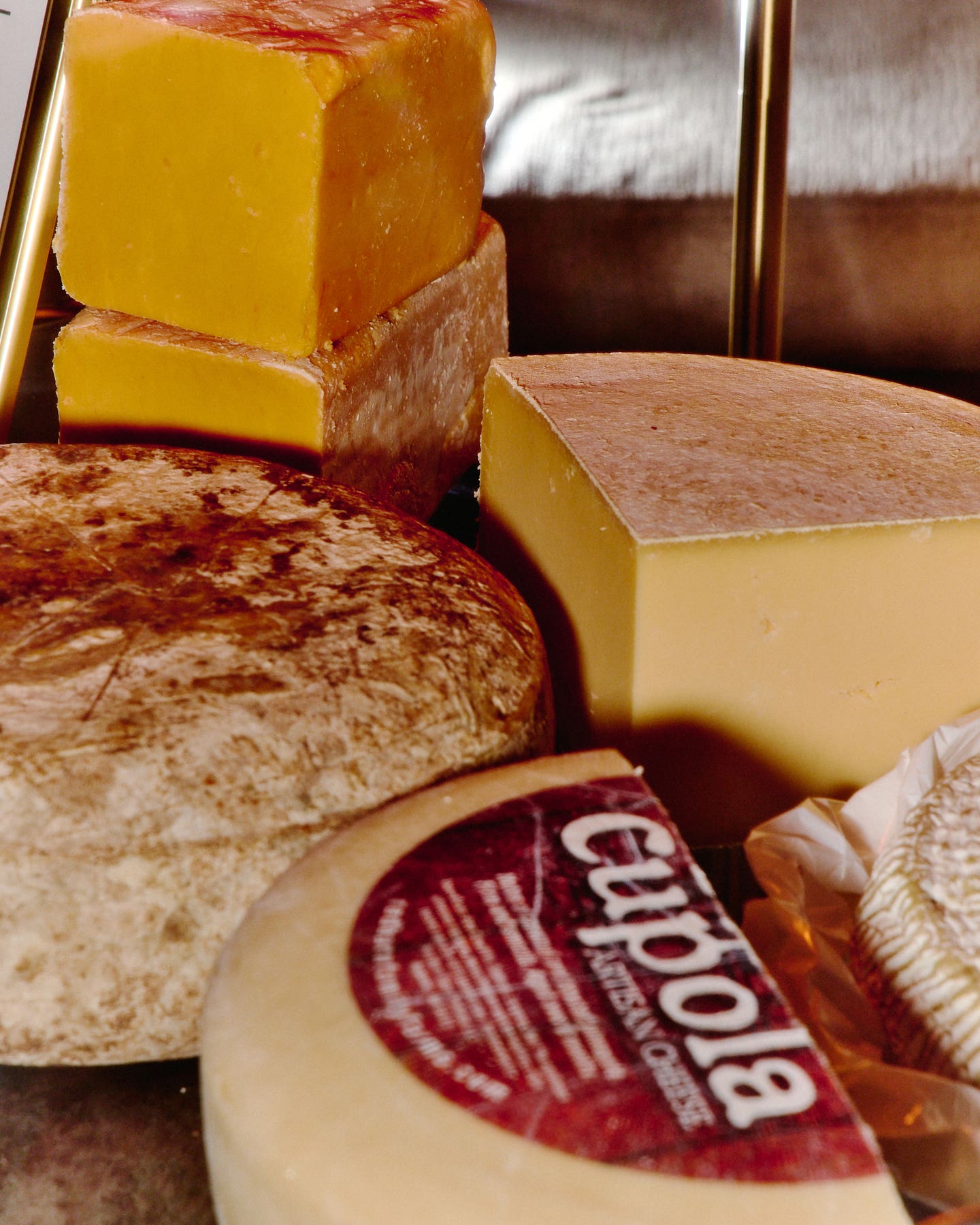

“With a cheese cart, your eyes eat first; the whole point is presentation,” says Leah Park, cheesemonger and owner of Milkfarm, a cheese shop in Los Angeles. “The joy of a cheese cart is for people to look at it in awe and say, ‘Whoa, what do I want? Where do I start? I want them all!’” Her ideal setup would include three styles of milk and three textures for nine cheeses total, but that can scale up or down based on how many people you’re feeding.
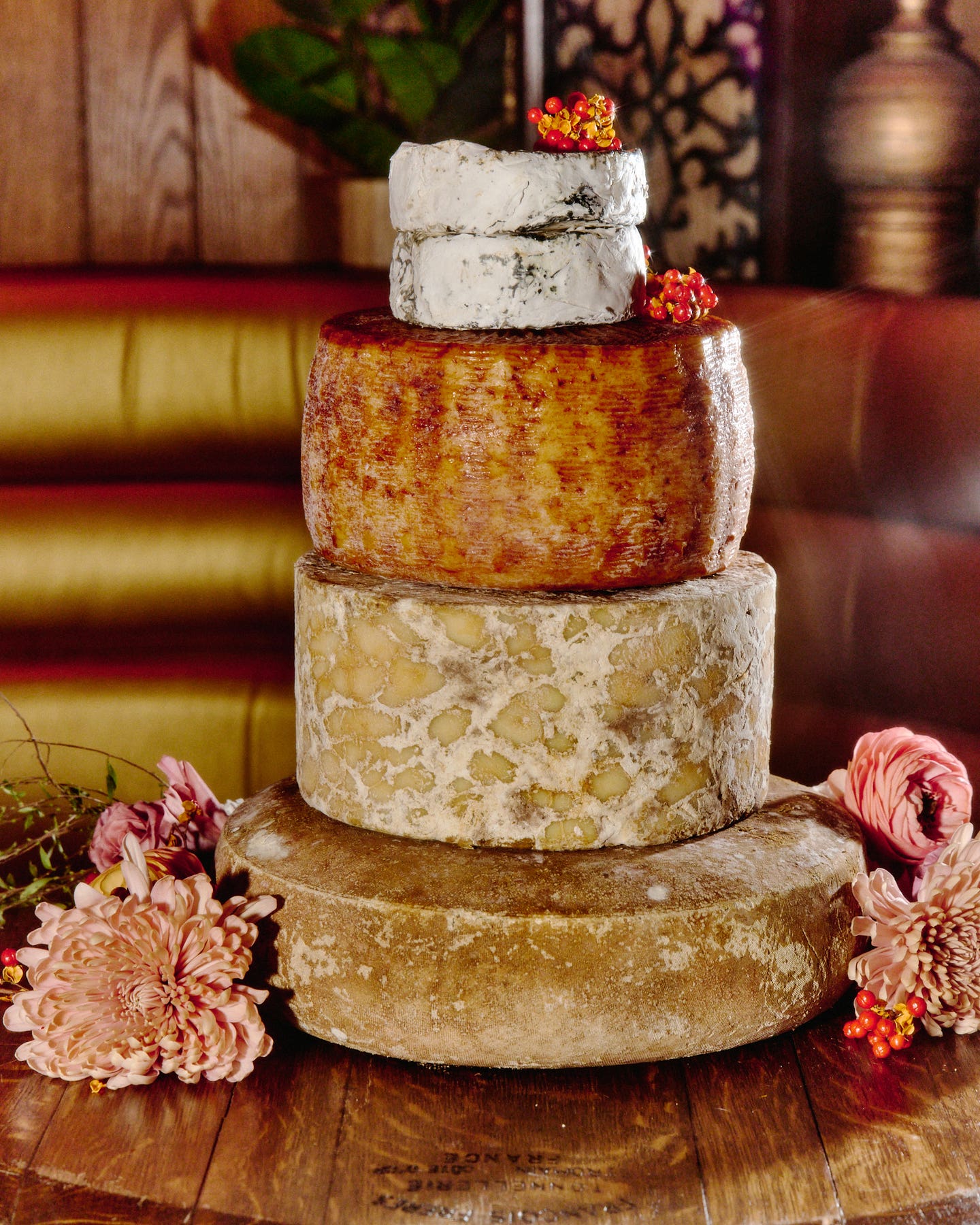
Don’t be afraid to go big when you go home. “If you’re doing a cheese cart, you’re not necessarily trying to be practical. This is something you’re doing to show off and impress people with a beautiful and unforgettable experience,” says Shannon Bonilla, American Cheese Society Certified Cheese Professional and Dairy Farmers of Wisconsin cheese marketing manager. She has her own road map for the widest selection of cheeses on a cart: “Texture and style are most important—I’d definitely include something soft and creamy, a washed rind, a cheddar, an Alpine, a gouda, and a blue.”
She also thinks a visual showstopper is in order, suggesting: “Carr Valley Cheese’s Cranberry Chipotle Cheddar, which has burgundy marbling; Landmark Creamery’s Herb de Provence Fontina, with its wildflower-coated rind; Deer Creek Cheese’s The Blue Jay, a quintuple cream blue with juniper berries; Brunkow Cheese’s Pavé Henri, a pudgy, washed-rind, square-format beauty; and Marieke Gouda’s Foenegreek, which is studded with golden nuggets of fenugreek for a butterscotch quality.”
Displaying, Cutting, and Serving Cheese From a Cart
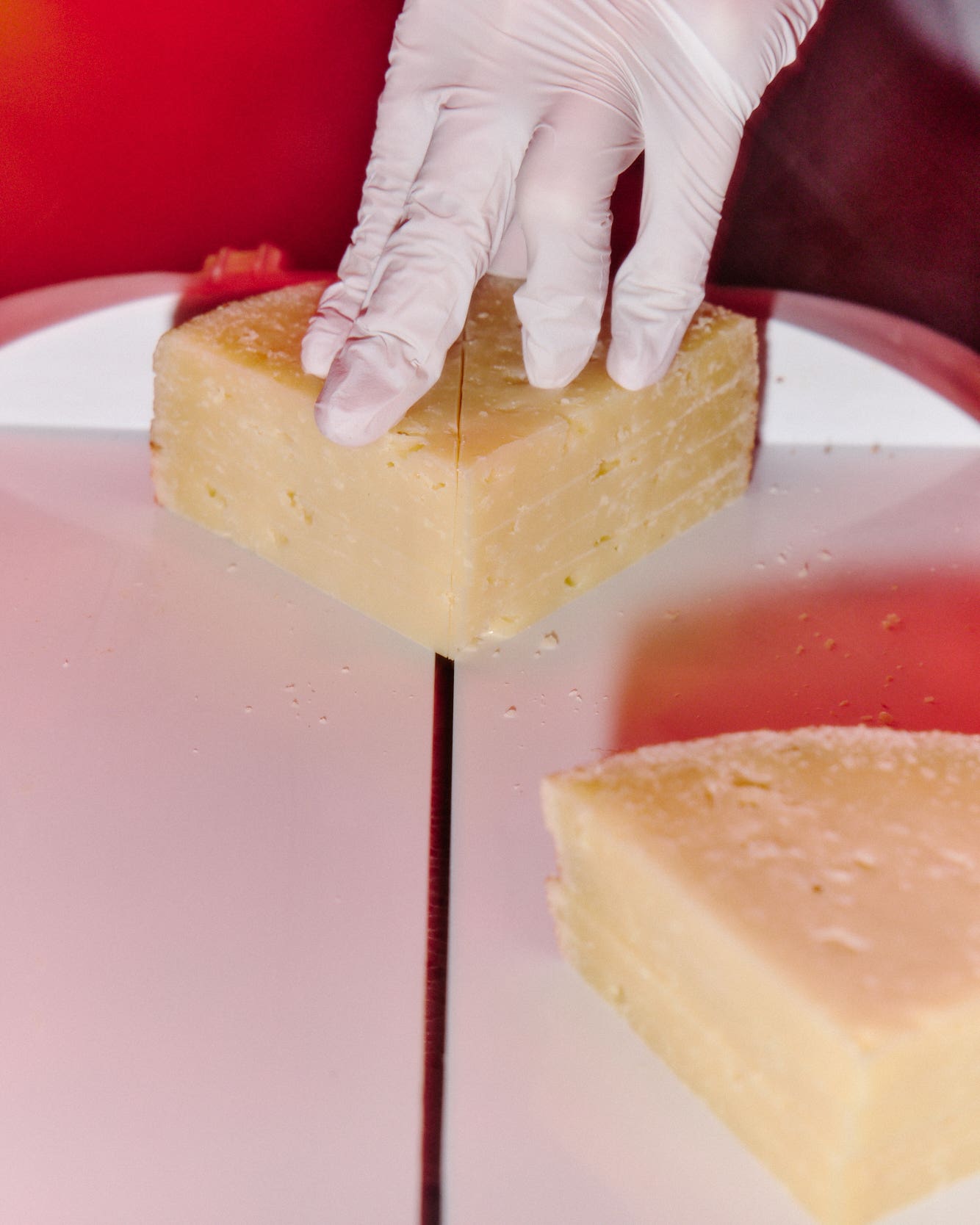

A big part of the presentation is “arranging the cheese so each has enough space to shine on its own and making sure there are labels with the names of the cheeses and the types of milk,” Park shares. She says cheese should be removed from the fridge 30 minutes before serving. As long as you avoid leaving the cart near a fireplace or keeping the room sizzling hot, it can safely sit out for the duration of a party.
In addition to the wow factor of seeing a lot of cheese on display, freshly cutting pieces for each person gives a totally different experience. “When you’re tasting a piece of cheese cut fresh from a wheel, it’s the best possible experience of that cheese and all the hard work that went into it,” says Bonilla. “When you taste something at its best, it can be life-changing. This experience allows people to see and taste cheese in a totally different way.”
As far as the physical part of cutting cheese, there are a few ways to go about it. If you own a cheese knife set—which typically includes a pronged tip for breaking off chunks of hard cheese like parmesan, a flat blade for aged cheese like cheddar, and one that is thin or has holes in it for soft cheese like brie—you’re in business. But Bonilla explains you can also just use a chef’s knife or similarly sharp, unserrated knives, and wipe it carefully on a towel between cuts like they do in fine-dining restaurants. Ideally, she suggests at least three knives on your cart to cover the main three styles and textures of cheese.
Curating Accompaniments and Decorating Your Cart
Unlike a cheese board, there doesn’t have to be an assortment of jams, meats, or pickles on your cart. “You don’t really need anything but the cheese. Make the cheese the occasion and the star!” Park encourages. “Not cluttering the cart or the experience is what makes a cheese cart special.” If you want to bulk up the food, you can add your favorite crackers, fruit, or nuts on the side for guests to serve themselves, but keep the cart just for cheese.
To add festive flair with cart decor, Bonilla likes to use whole spices (like star anise, nutmeg, and cinnamon sticks), herbs (such as rosemary, thyme, and sage), halved pomegranates, and citrus studded with cloves. But none of that is meant to be eaten—just enhancing the visuals and adding the familiar scent of the holidays. Edible flowers like snapdragons, chive blossoms, and nasturtiums are also some of her favorite ways to infuse color and help the cheese pop more visually.
If you want to turn the cheese cart into a dessert course, Park suggests adding Speculoos cookies or gingerbread flats to the spread, and Bonilla is a fan of stroopwafels, Nilla Wafers, Amaretto cherries, and chocolate-covered espresso beans.
Drink Pairings to Enhance the Experience
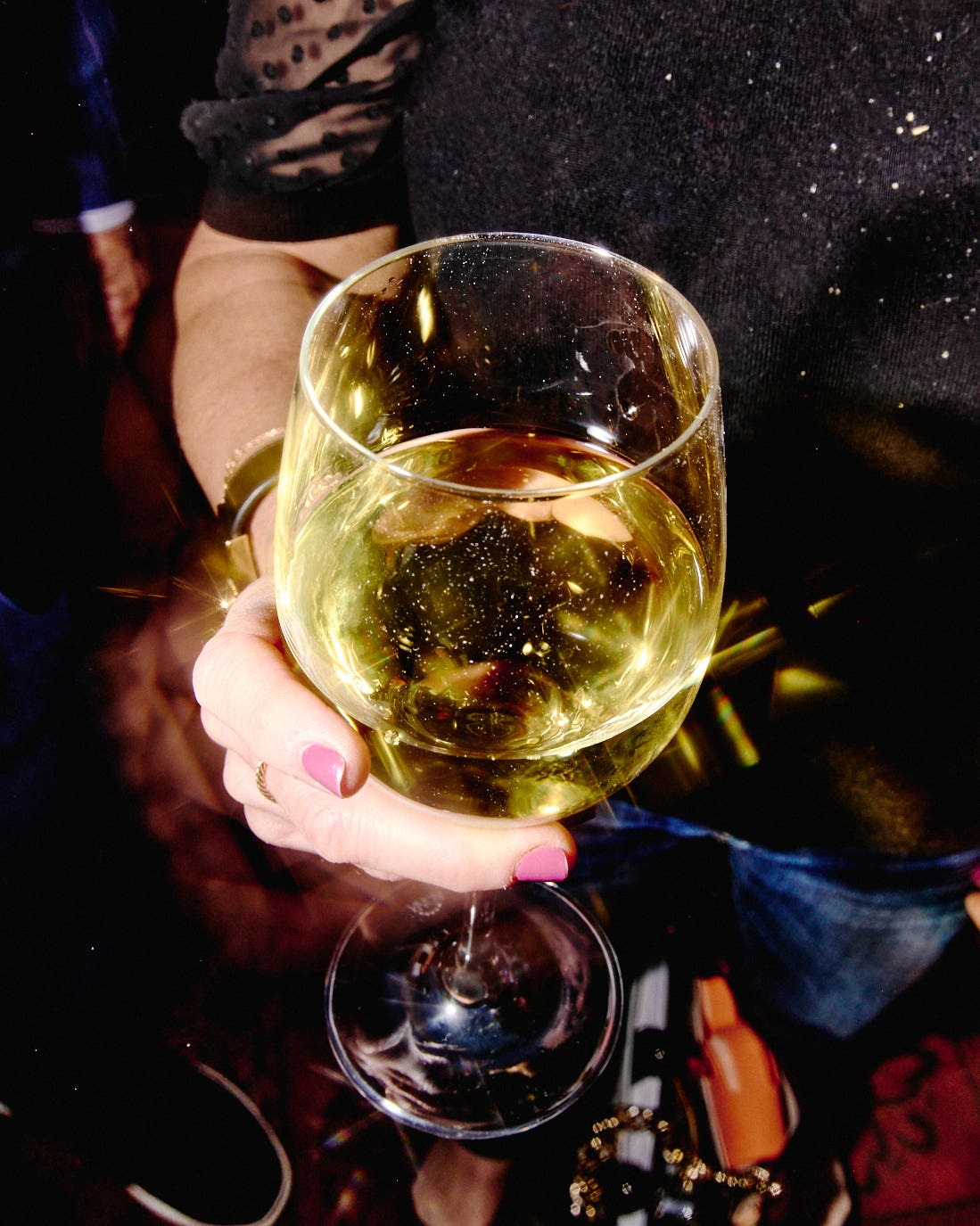

A universally beloved pairing is cheese and bubbles. “Bubbles love fat,” Park explains, suggesting champagne, while Bonilla loves cava or a spritz. But if you want to explore wine and cheese combinations at your party, there are some no-brainer pairings. “Often, the harder the cheese, the more developed the flavor, so you’ll want a complex wine to match aged cheeses,” explains Jordan Salcito, award-winning sommelier and author of the wine guide Smart Mouth.
Cheese texture and style are the most important things to consider when pairing, Salcito says. Soft, fresh cheeses tend to be the brightest and highest in acidity, so she recommends pairing these with lighter, mineral-driven wines like a sauvignon blanc from Sancerre or chenin blanc from Vouvray. Washed-rind cheeses are an excellent match with earthy pinot noirs from Burgundy or Oregon, whose notes of mushroom work beautifully together.
Hard cheeses, like Pleasant Ridge Reserve, MontAmoré Cheddar, or a nice young gruyère, are typically the most versatile and pair well with aged white wines or even a bold red like cabernet sauvignon. Cheddar or aged Comté go superbly with fuller-bodied wines like a white Burgundy or an Hermitage blanc, pulling out those lovely hazelnut and caramel notes. And with blue cheese, you’ll want a pairing with a bit of sweetness to avoid any sort of metallic taste. Port is a classic option that checks all the boxes; off-dry qualities marry wonderfully with the cheese instead of conflicting with it.
Ultimately, it’s all cart blanche—what you like and how you want to style your soiree. So get to wheeling, dealing, and decking the halls with carts of cheese.
Keep Reading


Continue to Next Story