7 Excellent Food Movies to Watch Right Now
Don’t miss these highlights from a new culinary-focused collection of films from the curated streaming service MUBI.

By Elissa Suh


Published on January 7, 2026

Logo Mubi

Food in film can do many things. It can be spectacle—lingered over, fetishized, designed to make you hungry. It can also be routine: something cooked at the end of a long day or eaten alone at a counter.

The movies featured in the curated streaming service MUBI’s new Let’s Eat! Food and Film collection span that full range, from meals that stop the narrative in its tracks to dishes that quietly structure a life. 

Here are seven highlights from the collection: Whether it’s a home-cooked meal, a restaurant in mild disarray, or a recipe recited from memory, each film reminds us that eating is rarely just about the food.

Stream the films in the Let’s Eat! Food and Film collection and try MUBI free for 30 days at mubi.com/saveur. Available globally.
Winter In Sokcho Food Still 2
Courtesy MUBI

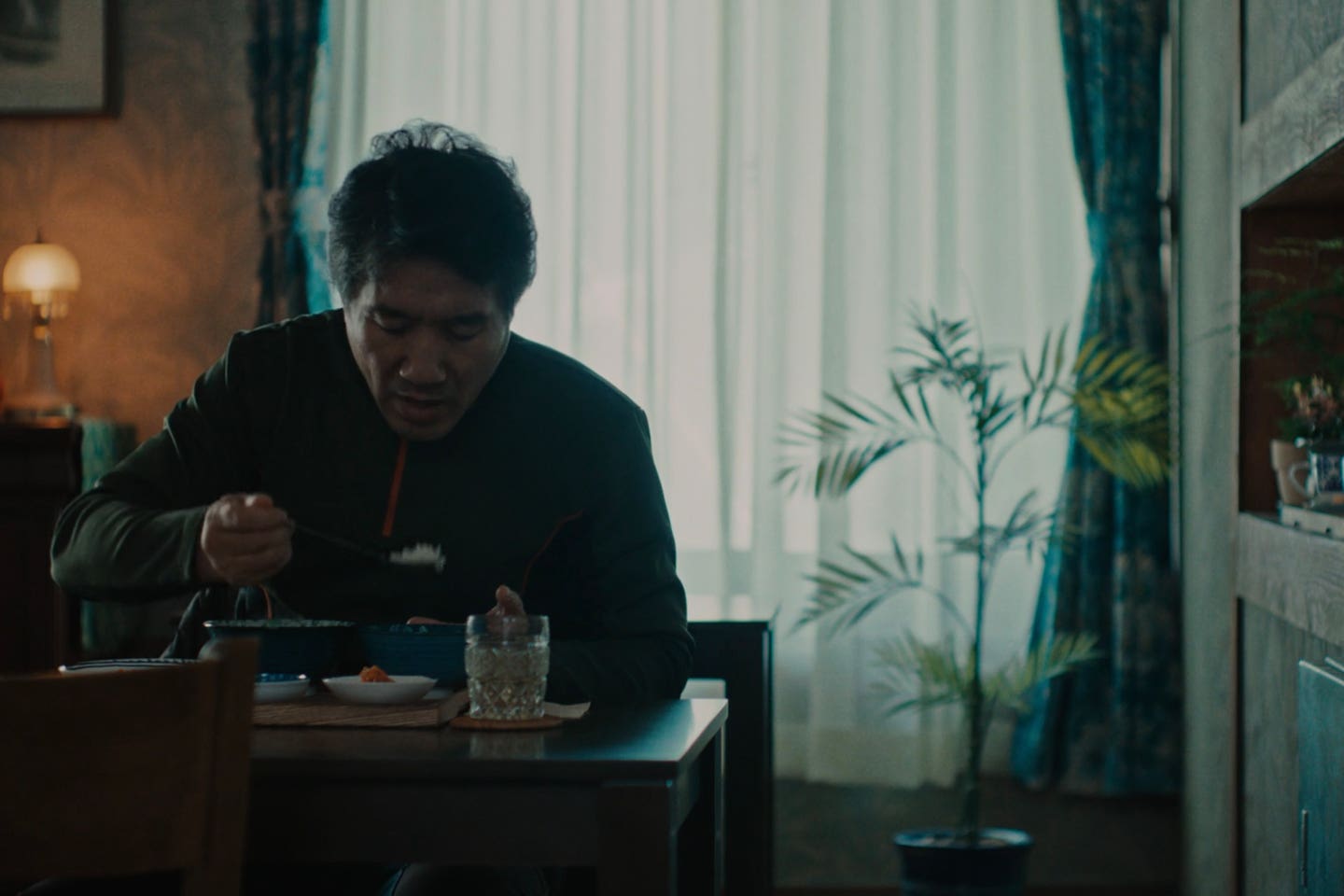
Fugu and japchae. Soy-marinated crab. Ojingeo soondae—squid stuffed, skewered, and steamed. There’s no shortage of food in Winter in Sokcho, which unfolds in the titular seaside town on South Korea’s coast, where a young woman named Soo-ha (Bella Kim) forms a tentative and potentially one-sided bond with a visiting French artist. He subconsciously reminds her of the father she never knew. 

Food appears less as spectacle than as an emotional bellwether. When Soo-ha cooks a carefully adapted beef bourguignon (dried shiitakes instead of fresh button, Korean sool instead of bordeaux) only to have it refused, the moment lands harder than words. Meals are gestures, folded into the cold, the sea, and what goes unsaid in the studied silences.

Streaming in the U.S. and Canada

Soul Kitchen
Courtesy MUBI

Zinos (Adam Bousdoukos), a German-Greek restaurateur in Hamburg, has spectacularly bad luck. As his girlfriend decamps to China, his restaurant falls out of code, back taxes mount, the mob circles, and his petty criminal brother comes looking for work. To top it off, he’s thrown out his back—an injury the film turns into a running joke. Soul Kitchen barrels through this cascade of misfortune with breezy, screwball confidence, leaning on familiar clichés (stubborn and undiscriminating diners who just want their fries) but arranging them with warmth and a knowing goofiness. When the menu finally improves—courtesy of a highly opinionated knife-throwing chef—the film wisely refuses to fetishize the food. What matters more is the restaurant as a democratic and convivial third space. 

Streaming in the U.S. and Canada 

Sexual Drive
Courtesy MUBI

This sly Japanese triptych reminds us that food and sex have always been less-than-strange bedfellows. Across three loosely connected stories, everyday dishes become charged objects of longing: fermented natto stretched into sticky threads, chili oil sizzling for mapo tofu, ramen slurped in a shop where conversation is forbidden. A mysterious and creepy raconteur drifts through each vignette, spinning lewd, possibly fabricated stories that rattle his listeners into confronting desires they’ve tried to starve. The movie is playful and perverse but keeps things PG-13; it lets food, texture, heat, and smell do the work.

Streaming in the U.S. and Canada 

A Dessert for Constance
Courtesy MUBI

A sweet and unexpectedly radical delight by overlooked filmmaker Sarah Maldoror, this 1981 film blends French cookery with a sharp critique of colonial inheritance. A discarded 19th-century French cookbook passes from antique auction to butcher and ultimately into the hands of two Senegalese street sweepers living in Paris. They pore over its contents during shared meals, learning in earnest what to serve between first and second courses, the differences between a white roux and a yellow, and all the different recipes for rice (grape, chocolate, and puffed, to name a few). So, when one of their fellow émigrés falls ill, the pair enters a televised culinary trivia contest to win some money to send him home. This is not a story about immigrants discovering French cuisine—that’s incidental—but about friendship and solidarity in a new country. 

Streaming in the U.S. and Canada

Fremont
Courtesy MUBI

This drolly funny American indie is a black-and-white slice of life about Dora (Anaita Wali Zada), an Afghan immigrant who works at a fortune cookie factory, a job so mundane it borders on cosmic irony, especially when she’s promoted to writing the fortunes. Dora lives with insomnia, survivor’s guilt, and the low-grade loneliness of starting over, and her meals reflect that. Food here is modest and repetitive. When she finally shares a cup of coffee with a stranger—a handsome mechanic played by none other than Jeremy Allen White—it feels like a slight shift in routine, the suggestion that something might, gently, change.

Streaming in the U.S. and Canada 

La Cocina
Courtesy MUBI

The inner workings of a restaurant have rarely looked this chaotic—even in a post-The Bear world. La Cocina plunges us into the mayhem of a fictional Midtown Manhattan, capturing lunch rushes, pre-shift prep, and constant crisis through the eyes of those who know it best: a largely immigrant, multicultural kitchen staff who keep things running.

Shot in sleek black and white, the film deliberately diverts our attention from the food itself (which is tourist slop, anyway) to labor and strain. The central story follows a talented, undocumented Mexican cook dealing with a newly pregnant waitress-girlfriend (played by Rooney Mara) and a volatile boss who dangles the promise of a green card like a carrot. But the film’s real highlights are everyone else around them, the jokes traded between cooks during breaks, and the fleeting but honest moments of camaraderie in a shared space.

Streaming in the U.S. 

Still from the movie Ramen Shop
Courtesy MUBI

Despite its title, Ramen Shop is not about the Japanese dish but a Singaporean one: bak kut teh. Masato (Takumi Saitoh)—born to a Japanese father and Singaporean mother—is haunted by the fragrant pork rib soup that brought his parents together. After his father’s death, Mastao travels to Singapore to find his mother’s family and reconnect with the missing half of his culinary inheritance.

The movie pauses the narrative to linger on Singapore’s hawker fare—chicken rice, fish head curry—letting each dish Masato encounters appear onscreen in full: ingredients sourced, origins explained, preparation carefully laid out, right down to precise cooking times. Food becomes a bridge across cultural and generational divides, a conduit for the possibility of reconciliation.

Streaming in the U.S.

Courtesy MUBI
Ramen Shop
COURTESY MUBI
Sponsored Post

7 Excellent Food Movies to Watch Right Now

Don’t miss these highlights from a new culinary-focused collection of films from the curated streaming service MUBI.

By Elissa Suh


Published on January 7, 2026

Logo Mubi

Food in film can do many things. It can be spectacle—lingered over, fetishized, designed to make you hungry. It can also be routine: something cooked at the end of a long day or eaten alone at a counter.

The movies featured in the curated streaming service MUBI’s new Let’s Eat! Food and Film collection span that full range, from meals that stop the narrative in its tracks to dishes that quietly structure a life. 

Here are seven highlights from the collection: Whether it’s a home-cooked meal, a restaurant in mild disarray, or a recipe recited from memory, each film reminds us that eating is rarely just about the food.

Stream the films in the Let’s Eat! Food and Film collection and try MUBI free for 30 days at mubi.com/saveur. Available globally.

Winter In Sokcho Food Still 2
Courtesy MUBI

Fugu and japchae. Soy-marinated crab. Ojingeo soondae—squid stuffed, skewered, and steamed. There’s no shortage of food in Winter in Sokcho, which unfolds in the titular seaside town on South Korea’s coast, where a young woman named Soo-ha (Bella Kim) forms a tentative and potentially one-sided bond with a visiting French artist. He subconsciously reminds her of the father she never knew. 

Food appears less as spectacle than as an emotional bellwether. When Soo-ha cooks a carefully adapted beef bourguignon (dried shiitakes instead of fresh button, Korean sool instead of bordeaux) only to have it refused, the moment lands harder than words. Meals are gestures, folded into the cold, the sea, and what goes unsaid in the studied silences.

Streaming in the U.S. and Canada

Soul Kitchen
Courtesy MUBI

Zinos (Adam Bousdoukos), a German-Greek restaurateur in Hamburg, has spectacularly bad luck. As his girlfriend decamps to China, his restaurant falls out of code, back taxes mount, the mob circles, and his petty criminal brother comes looking for work. To top it off, he’s thrown out his back—an injury the film turns into a running joke. Soul Kitchen barrels through this cascade of misfortune with breezy, screwball confidence, leaning on familiar clichés (stubborn and undiscriminating diners who just want their fries) but arranging them with warmth and a knowing goofiness. When the menu finally improves—courtesy of a highly opinionated knife-throwing chef—the film wisely refuses to fetishize the food. What matters more is the restaurant as a democratic and convivial third space. 

Streaming in the U.S. and Canada 

Sexual Drive
Courtesy MUBI

This sly Japanese triptych reminds us that food and sex have always been less-than-strange bedfellows. Across three loosely connected stories, everyday dishes become charged objects of longing: fermented natto stretched into sticky threads, chili oil sizzling for mapo tofu, ramen slurped in a shop where conversation is forbidden. A mysterious and creepy raconteur drifts through each vignette, spinning lewd, possibly fabricated stories that rattle his listeners into confronting desires they’ve tried to starve. The movie is playful and perverse but keeps things PG-13; it lets food, texture, heat, and smell do the work.

Streaming in the U.S. and Canada 
A Dessert for Constance
Courtesy MUBI

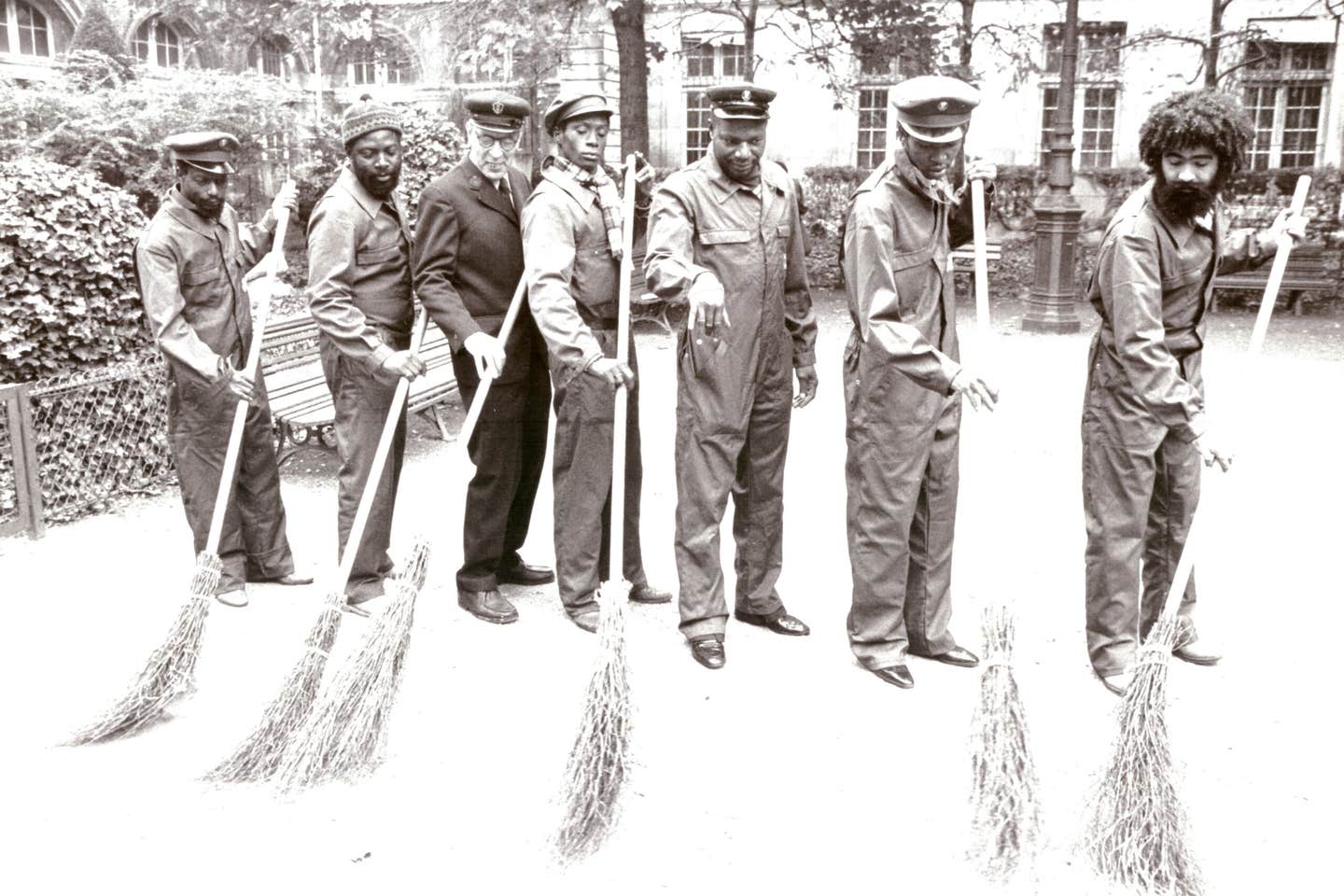
A sweet and unexpectedly radical delight by overlooked filmmaker Sarah Maldoror, this 1981 film blends French cookery with a sharp critique of colonial inheritance. A discarded 19th-century French cookbook passes from antique auction to butcher and ultimately into the hands of two Senegalese street sweepers living in Paris. They pore over its contents during shared meals, learning in earnest what to serve between first and second courses, the differences between a white roux and a yellow, and all the different recipes for rice (grape, chocolate, and puffed, to name a few). So, when one of their fellow émigrés falls ill, the pair enters a televised culinary trivia contest to win some money to send him home. This is not a story about immigrants discovering French cuisine—that’s incidental—but about friendship and solidarity in a new country. 

Streaming in the U.S. and Canada

Fremont
Courtesy MUBI

This drolly funny American indie is a black-and-white slice of life about Dora (Anaita Wali Zada), an Afghan immigrant who works at a fortune cookie factory, a job so mundane it borders on cosmic irony, especially when she’s promoted to writing the fortunes. Dora lives with insomnia, survivor’s guilt, and the low-grade loneliness of starting over, and her meals reflect that. Food here is modest and repetitive. When she finally shares a cup of coffee with a stranger—a handsome mechanic played by none other than Jeremy Allen White—it feels like a slight shift in routine, the suggestion that something might, gently, change.

Streaming in the U.S. and Canada 
La Cocina
Courtesy MUBI

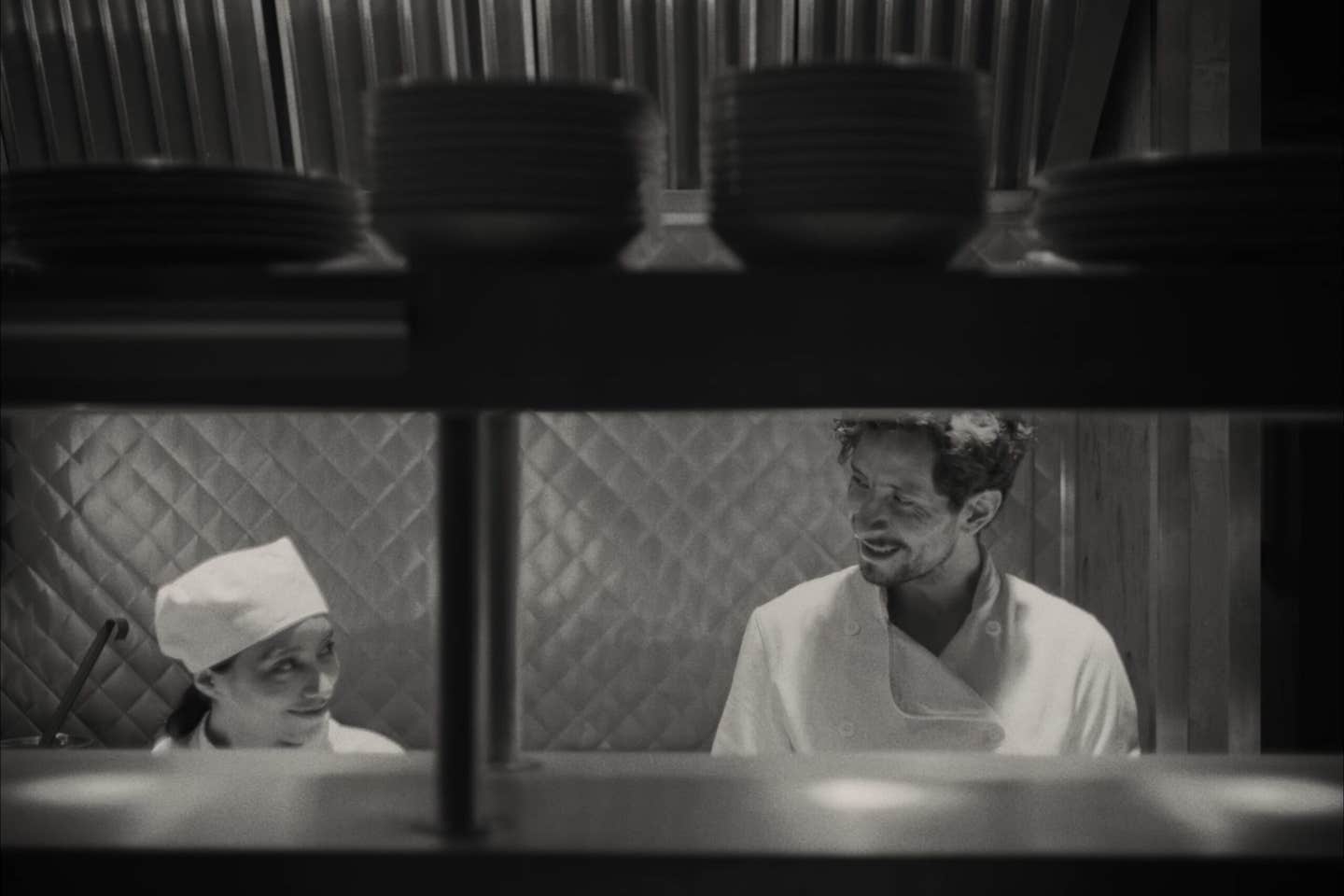
The inner workings of a restaurant have rarely looked this chaotic—even in a post-The Bear world. La Cocina plunges us into the mayhem of a fictional Midtown Manhattan, capturing lunch rushes, pre-shift prep, and constant crisis through the eyes of those who know it best: a largely immigrant, multicultural kitchen staff who keep things running.

Shot in sleek black and white, the film deliberately diverts our attention from the food itself (which is tourist slop, anyway) to labor and strain. The central story follows a talented, undocumented Mexican cook dealing with a newly pregnant waitress-girlfriend (played by Rooney Mara) and a volatile boss who dangles the promise of a green card like a carrot. But the film’s real highlights are everyone else around them, the jokes traded between cooks during breaks, and the fleeting but honest moments of camaraderie in a shared space.

Streaming in the U.S. 

Still from the movie Ramen Shop
Courtesy MUBI

Despite its title, Ramen Shop is not about the Japanese dish but a Singaporean one: bak kut teh. Masato (Takumi Saitoh)—born to a Japanese father and Singaporean mother—is haunted by the fragrant pork rib soup that brought his parents together. After his father’s death, Mastao travels to Singapore to find his mother’s family and reconnect with the missing half of his culinary inheritance.

The movie pauses the narrative to linger on Singapore’s hawker fare—chicken rice, fish head curry—letting each dish Masato encounters appear onscreen in full: ingredients sourced, origins explained, preparation carefully laid out, right down to precise cooking times. Food becomes a bridge across cultural and generational divides, a conduit for the possibility of reconciliation.

Streaming in the U.S.

Continue to Next Story

Want more SAVEUR?

Get our favorite recipes, stories, and more delivered to your inbox.